When to Worry About Creatinine Levels: Expert Insights on Kidney Health Risks
Creatinine isn’t just another lab value—it’s a silent sentinel of kidney health. When your blood or urine tests reveal elevated levels, the message is clear: your kidneys may be struggling to filter metabolic waste. The question isn’t whether you should care, but when to worry about creatinine levels before irreversible damage occurs.
Most people never think about creatinine until a routine blood draw returns abnormal results. Yet, understanding its role—how it’s produced, how it’s cleared, and what happens when levels climb—can mean the difference between early intervention and late-stage kidney disease. The problem? Many dismiss mild elevations as harmless, unaware that even subtle changes can indicate emerging nephron dysfunction.
This isn’t about fear-mongering. It’s about precision. A creatinine level of 1.2 mg/dL might be normal for one person and a red flag for another, depending on age, muscle mass, and underlying conditions. The key lies in recognizing when creatinine levels demand attention—before symptoms like fatigue or swelling appear. Ignore the warning signs, and you risk crossing the threshold from reversible strain to permanent kidney impairment.
The Complete Overview of When to Worry About Creatinine Levels
Creatinine is the end product of muscle metabolism, a byproduct of creatine phosphate—a molecule that fuels high-energy processes in skeletal muscle. Normally, the kidneys filter out about 1–2% of daily creatinine production, excreting it in urine. When this clearance falters, levels rise, serving as an early biomarker of kidney dysfunction. But here’s the catch: creatinine isn’t a standalone diagnostic. It’s a piece of a larger puzzle that includes glomerular filtration rate (GFR), urine albumin, and clinical history.
The threshold for concern isn’t fixed. For adults, a serum creatinine above 1.2 mg/dL (women) or 1.4 mg/dL (men) often triggers further evaluation, but these benchmarks vary by lab, demographics, and comorbidities. What’s more alarming is the rate of increase: a sudden spike of 0.3 mg/dL or more within weeks may signal acute kidney injury (AKI), while a gradual rise over months suggests chronic kidney disease (CKD). The real danger isn’t the number alone, but the story behind it—whether it’s dehydration, medication side effects, or an underlying pathology like diabetes or hypertension.
Historical Background and Evolution
Creatinine’s role in medicine dates back to the early 20th century, when researchers first isolated it from muscle tissue. By the 1920s, clinicians recognized its utility as a marker of kidney function, though early methods of measurement were crude. The Cockcroft-Gault equation (1976) revolutionized its clinical application by estimating GFR—a far more accurate reflection of kidney health than creatinine alone. Today, automated lab systems provide near-instantaneous results, but the principle remains: creatinine is a retrospective measure of what the kidneys failed to clear, not a predictor of future function.
Table of Contents
- The Complete Overview of When to Worry About Creatinine Levels
- Historical Background and Evolution
- Core Mechanisms: How It Works
- Key Benefits and Crucial Impact
- Major Advantages
- Comparative Analysis
- Future Trends and Innovations
- Conclusion
- Comprehensive FAQs
- Q: What’s the normal range for creatinine, and when should I be concerned?
- Q: Can diet affect creatinine levels, and what should I eat if mine are high?
- Q: How quickly can creatinine levels rise, and what does that mean?
- Q: Are there non-kidney reasons for high creatinine?
- Q: If my creatinine is high but GFR is normal, should I still worry?
- Q: Can high creatinine be reversed, and how?
- Q: Should I monitor creatinine at home?
- Q: How do medications affect creatinine levels?
- Q: Is high creatinine always bad, even if I feel fine?
- Q: What’s the difference between creatinine and BUN?
What’s changed is our understanding of its limitations. Once viewed as a binary pass/fail metric, creatinine is now part of a dynamic risk assessment. For instance, in athletes or bodybuilders, high muscle mass artificially elevates baseline levels, while elderly patients may have reduced creatinine production due to sarcopenia. These nuances explain why when to worry about creatinine levels must be individualized—ignoring context leads to misdiagnosis or unnecessary panic.
Core Mechanisms: How It Works
Creatinine generation is tied to muscle metabolism: the more muscle you have, the higher your baseline production. The kidneys’ job is to filter it out via the glomerulus, where blood pressure forces small molecules into the nephron for excretion. When glomerular filtration rate (GFR) drops—whether from inflammation, blockages, or cell damage—creatinine accumulates. This isn’t just a lab curiosity; elevated levels correlate with increased cardiovascular risk, as retained waste products promote vascular calcification and inflammation.
The body compensates for mild elevations by reducing creatinine synthesis, but this adaptive response has limits. Prolonged stress forces the kidneys into a vicious cycle: as filtration declines, more creatinine builds up, further damaging nephrons. The tipping point varies, but once creatinine exceeds 2.0–3.0 mg/dL, symptoms like nausea, itching, or fluid retention often emerge—signs that kidney function has fallen below 30–50% of normal. By then, the window for intervention has narrowed significantly.
Key Benefits and Crucial Impact
Monitoring creatinine isn’t just about detecting kidney disease—it’s about intercepting a cascade of systemic risks. High levels are linked to accelerated atherosclerosis, higher stroke risk, and even cognitive decline, as waste products cross the blood-brain barrier. The earlier you catch an elevation, the better your chances of slowing progression through diet, medication, or lifestyle changes. For patients with diabetes or hypertension, creatinine tracking can mean the difference between stable CKD and end-stage renal disease (ESRD).
Yet, the benefits extend beyond clinical outcomes. Knowing when creatinine levels signal danger empowers patients to ask critical questions: Are my medications nephrotoxic? Am I dehydrated? Could this be a side effect of my workout routine? Proactive management—like adjusting protein intake or hydrating properly—can prevent avoidable kidney strain. The cost of inaction? A lifetime of dialysis or transplant, neither of which restores full function.
—Dr. Andrew Levey, former president of the American Society of Nephrology
"Creatinine is the canary in the coal mine of kidney disease. By the time symptoms appear, it’s often too late. The goal isn’t to wait for a crisis, but to intervene when levels start to climb—before the damage becomes permanent."
Major Advantages
- Early Detection: Creatinine rises before symptoms like swelling or fatigue, allowing for timely intervention in CKD or AKI.
- Risk Stratification: Combined with GFR, it helps classify kidney disease stages (1–5), guiding treatment intensity.
- Medication Safety: Levels monitor for nephrotoxic effects of drugs like NSAIDs, antibiotics, or chemotherapy.
- Dietary Guidance: High creatinine may prompt protein restriction or hydration adjustments to reduce kidney burden.
- Prognostic Value: Persistent elevations correlate with higher mortality risk, especially in patients with diabetes or heart disease.

Comparative Analysis
| Scenario | Creatinine Interpretation |
|---|---|
| Isolated Mild Elevation (e.g., 1.3–1.5 mg/dL) | May indicate early CKD, dehydration, or high muscle mass. Requires GFR calculation and follow-up. |
| Sudden Spike (e.g., +0.5 mg/dL in 1 week) | Suggests acute kidney injury (AKI) from dehydration, sepsis, or obstruction. Needs urgent evaluation. |
| Gradual Rise Over Months (e.g., 1.8 → 2.5 mg/dL) | Likely chronic damage from diabetes, hypertension, or glomerulonephritis. Diet and meds may slow progression. |
| Normal Creatinine but Low GFR | Possible early CKD or muscle-wasting conditions. GFR is the superior metric in these cases. |
Future Trends and Innovations
The next frontier in creatinine monitoring lies in precision medicine. Emerging biomarkers—like neutrophil gelatinase-associated lipocalin (NGAL) or kidney injury molecule-1 (KIM-1)—can detect AKI hours before creatinine rises. AI-driven algorithms are also improving GFR estimation, reducing reliance on creatinine alone. For patients, this means earlier warnings and personalized treatment plans. Meanwhile, wearable sensors that track creatinine via sweat or saliva could democratize monitoring, shifting care from clinics to daily life.
Another horizon? Gene editing and regenerative therapies. While not yet clinical reality, research into stem-cell-derived nephrons or CRISPR-based repairs offers hope for reversing damage that creatinine levels now only signal. Until then, the focus remains on prevention: lifestyle interventions, early lab screening, and—crucially—understanding when creatinine levels demand action before they become a crisis.

Conclusion
Creatinine levels aren’t just numbers on a lab report—they’re a call to action. The difference between a stable kidney function and irreversible decline often hinges on recognizing the signs early. Whether it’s a gradual rise in CKD or a sudden spike in AKI, the message is clear: when to worry about creatinine levels isn’t a one-size-fits-all question. It’s about context, trends, and clinical correlation. Ignoring the warning is like waiting for a smoke alarm to ring before evacuating a burning building. The time to act is now.
For most people, a single elevated reading isn’t cause for alarm—but it’s a reason to dig deeper. Follow up with your doctor, review medications, and assess lifestyle factors. The kidneys are resilient, but only up to a point. Once creatinine levels cross into dangerous territory, the road to recovery becomes far steeper. The good news? With awareness and proactive care, many can keep their kidneys functioning for decades longer than they otherwise would.
Comprehensive FAQs
Q: What’s the normal range for creatinine, and when should I be concerned?
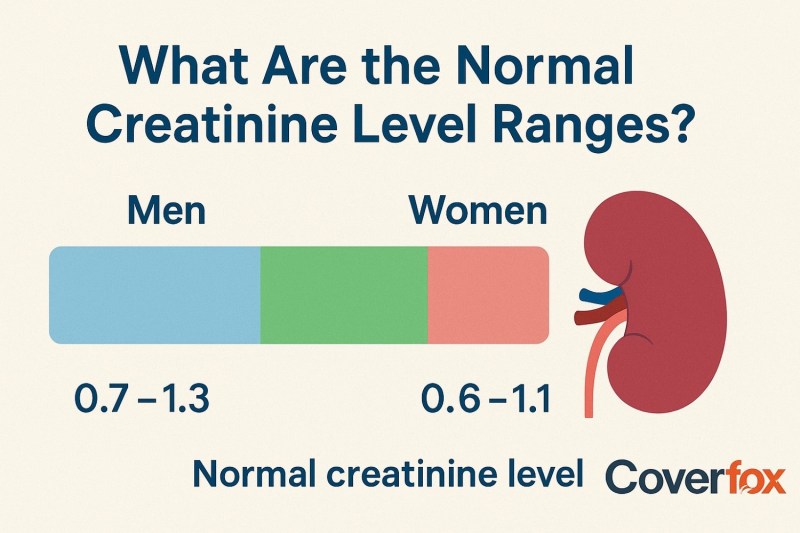
A: Normal serum creatinine ranges are roughly 0.6–1.2 mg/dL for women and 0.7–1.3 mg/dL for men, but these vary by lab and body composition. Concern arises when levels exceed your baseline by 20% or more, or when they’re consistently above 1.4 mg/dL (men) or 1.2 mg/dL (women). A single elevated reading may reflect dehydration or muscle mass; persistent elevations warrant further testing.
Q: Can diet affect creatinine levels, and what should I eat if mine are high?
A: High-protein diets (especially red meat) can elevate creatinine, while plant-based proteins and hydration may help lower it. If levels are high, reduce animal protein, limit sodium, and increase potassium-rich foods (like bananas or spinach). Always consult a dietitian—restricting protein too much can lead to malnutrition, especially in CKD.
Q: How quickly can creatinine levels rise, and what does that mean?
A: Creatinine can rise rapidly in acute kidney injury (AKI), sometimes doubling within days due to dehydration, infection, or medication toxicity. A sudden increase of 0.3 mg/dL or more in 48 hours is a medical emergency, often requiring hospitalization. Chronic rises (over months) suggest progressive CKD and need long-term management.
Q: Are there non-kidney reasons for high creatinine?
Yes. Conditions like rhabdomyolysis (muscle breakdown), severe burns, or even intense exercise can spike creatinine. Medications (e.g., NSAIDs, contrast dyes) and supplements (like creatine) may also elevate levels temporarily. Always rule out these causes before assuming kidney damage.
Q: If my creatinine is high but GFR is normal, should I still worry?
A: This scenario can occur in high-muscle-mass individuals or with certain lab errors. However, if GFR is truly normal but creatinine is elevated, it may indicate early kidney strain. Repeat testing and a full nephrology evaluation are recommended to assess long-term risk.
Q: Can high creatinine be reversed, and how?
A: Reversibility depends on the cause. In acute kidney injury, treating the underlying issue (e.g., hydration for dehydration) can normalize creatinine. For chronic CKD, reversal is rare, but progression can be slowed with blood pressure control, diabetes management, and dietary adjustments. Early intervention is key—once creatinine exceeds 3.0 mg/dL, recovery becomes unlikely without advanced therapies.
Q: Should I monitor creatinine at home?
A: Home urine strips test for protein (albumin) but not creatinine. Blood tests remain the gold standard. However, if you have CKD or risk factors, regular lab checks (every 3–6 months) are critical. Wearable tech for creatinine is experimental; for now, rely on professional monitoring.
Q: How do medications affect creatinine levels?
Many drugs can elevate creatinine, including ACE inhibitors, diuretics, and NSAIDs. Chemotherapy (e.g., cisplatin) and imaging contrast dyes are high-risk. Always inform your doctor about new medications—some may require creatinine monitoring to adjust dosages and prevent kidney damage.
Q: Is high creatinine always bad, even if I feel fine?
No symptom doesn’t mean no risk. Asymptomatic high creatinine often indicates silent kidney damage, which increases cardiovascular risk. Even mild elevations (1.3–1.5 mg/dL) correlate with higher mortality in studies. Regular follow-up can prevent complications before they become severe.
Q: What’s the difference between creatinine and BUN?
Blood urea nitrogen (BUN) measures urea (a protein breakdown product), while creatinine reflects muscle metabolism. Both can rise in kidney disease, but their ratio helps diagnose causes: a high BUN:creatinine ratio may suggest dehydration or heart failure, while a low ratio points to muscle breakdown or certain toxins.
Leave a Comment
Comments are moderated before appearing. The data you submit is processed according to the Privacy Policy of Bevvy.