Decoding Health: What Is a Normal Creatinine Level and Why It Matters More Than You Think
Creatinine isn’t just another lab value—it’s a silent sentinel of kidney function, a byproduct of muscle metabolism that reveals far more than meets the eye. When doctors ask about what is a normal creatinine level, they’re not just checking a number; they’re assessing whether your kidneys are filtering waste efficiently or if subtle dysfunction is brewing beneath the surface. A slight rise in creatinine can be the first whisper of chronic kidney disease (CKD), while an abnormally low level might hint at muscle loss or other metabolic shifts. The margin between "normal" and "concerning" is razor-thin, yet understanding it could mean the difference between proactive care and missed opportunities for intervention.
The problem? Many people never question their creatinine results until it’s too late. A blood test might return a value like 1.2 mg/dL, but without context—age, sex, muscle mass, or underlying conditions—it’s easy to dismiss as "fine." Yet, that same number could be a red flag for someone with diabetes or hypertension. The truth is, what is a normal creatinine level isn’t a one-size-fits-all answer. It’s a dynamic range influenced by biology, lifestyle, and even the time of day the test was drawn. Ignoring these nuances risks overlooking early signs of kidney strain, which affects nearly 1 in 7 adults globally.
What follows is a deep dive into creatinine’s role in health, the science behind its measurement, and why even minor deviations demand attention. From historical medical breakthroughs to cutting-edge diagnostic trends, this exploration separates myth from fact—equipping you to interpret your lab results with precision.
The Complete Overview of What Is a Normal Creatinine Level
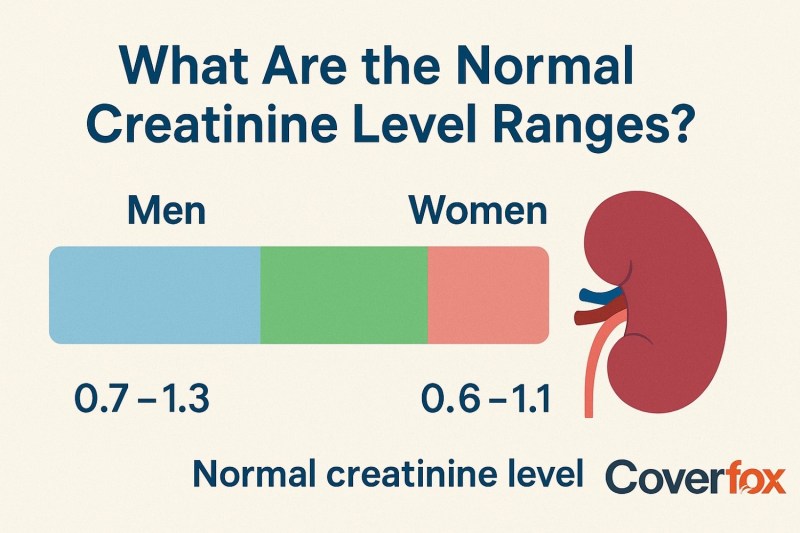
Creatinine is a waste product generated during the breakdown of creatine phosphate in muscle tissue, a process essential for energy production. When muscles contract, creatine phosphate fuels them, and its metabolic byproduct—creatinine—is released into the bloodstream. The kidneys’ primary job is to filter this waste, excreting it through urine. Thus, what is a normal creatinine level essentially reflects the balance between muscle activity, kidney filtration efficiency, and overall metabolic health. In a healthy individual, creatinine levels remain stable because the body produces it at a consistent rate, and the kidneys clear it efficiently. However, this equilibrium is fragile; factors like dehydration, high protein diets, or kidney impairment can disrupt it, leading to measurable changes in blood tests.The reference range for creatinine varies by lab and demographics, but generally, what is a normal creatinine level is considered:
Historical Background and Evolution
The study of creatinine traces back to the late 19th century, when scientists first isolated it from urine and recognized its connection to muscle metabolism. In 1886, German chemist Albrecht Kossel identified creatinine as a nitrogenous compound, but its clinical significance wasn’t fully realized until the early 20th century. By the 1920s, researchers linked elevated creatinine levels to kidney disease, though measurement methods were crude—often relying on colorimetric tests with high variability. The breakthrough came in the 1950s with the development of the Jaffé reaction, a chemical assay that could quantify creatinine accurately. This method, still used today in modified forms, became the gold standard for diagnosing kidney impairment.The evolution of what is a normal creatinine level as a diagnostic tool gained momentum in the 1970s with the rise of automated lab systems. These innovations allowed for precise, reproducible measurements, enabling clinicians to track kidney function over time. However, the reference ranges themselves were (and often still are) based on population averages, not individualized risk factors. Modern medicine now emphasizes estimated glomerular filtration rate (eGFR), a calculation derived from creatinine levels, age, sex, and race (though racial adjustments are under scrutiny for bias). This shift reflects a growing understanding that what is a normal creatinine level isn’t static—it’s a snapshot of a complex interplay between biology and environment.
Core Mechanisms: How It Works
Creatinine’s journey from muscle to excretion is a microcosm of kidney physiology. Once released into the blood, creatinine is passively filtered by the glomeruli—the tiny filters in the kidneys’ nephrons. Unlike glucose or proteins, creatinine isn’t reabsorbed; it passes freely into the urine. The rate at which creatinine is cleared from the blood (creatinine clearance) is directly proportional to kidney function. If the kidneys filter less efficiently—due to damage, disease, or aging—the creatinine accumulates, leading to higher blood levels. This is why what is a normal creatinine level serves as a proxy for glomerular filtration rate (GFR): the lower the GFR, the higher the creatinine, and vice versa.Table of Contents
- The Complete Overview of What Is a Normal Creatinine Level
- Historical Background and Evolution
- Core Mechanisms: How It Works
- Key Benefits and Crucial Impact
- Major Advantages
- Comparative Analysis
- Future Trends and Innovations
- Conclusion
- Comprehensive FAQs
- Q: Can dehydration affect what is considered a normal creatinine level?
- Q: Is there a difference between serum creatinine and urine creatinine?
- Q: Why do doctors use eGFR instead of just checking creatinine?
- Q: Can certain medications alter what is a normal creatinine level?
- Q: What should I do if my creatinine is slightly above the normal range?
- Q: Are there non-kidney conditions that affect creatinine levels?
- Q: How often should I check my creatinine if I have risk factors for kidney disease?
The relationship between creatinine and kidney health isn’t linear, though. Early-stage kidney disease may not elevate creatinine until significant damage has occurred, as the kidneys compensate by increasing filtration pressure. This "silent phase" is why regular monitoring is critical, especially for high-risk groups like diabetics or those with hypertension. Additionally, creatinine levels can fluctuate based on non-kidney factors: intense exercise temporarily boosts levels due to muscle breakdown, while severe dehydration concentrates creatinine in the blood. Understanding these dynamics is essential to interpreting what is a normal creatinine level in context, not isolation.
Key Benefits and Crucial Impact
The clinical value of tracking what is a normal creatinine level extends beyond kidney disease detection. It’s a cornerstone of metabolic health assessment, offering insights into muscle mass, hydration status, and even cardiovascular risk. For example, low creatinine in an elderly patient might indicate sarcopenia (muscle loss), while high levels in a diabetic could signal early nephropathy. The impact of monitoring creatinine is twofold: it enables early intervention for kidney-related conditions and helps tailor treatments—such as adjusting medication dosages for patients with impaired kidney function—to avoid toxicity.The ripple effects of creatinine imbalance are profound. Chronic kidney disease, if unchecked, progresses to end-stage renal disease (ESRD), requiring dialysis or transplantation. Yet, many cases are preventable with timely detection. Even subtle elevations in what is a normal creatinine level can prompt lifestyle changes—reducing salt intake, managing blood pressure, or controlling blood sugar—that slow disease progression. The data speaks for itself: patients who catch rising creatinine early have better outcomes, lower healthcare costs, and improved quality of life.
"Creatinine is the canary in the coal mine of kidney health. By the time it’s obviously elevated, the damage may already be irreversible. The goal isn’t just to know what is a normal creatinine level—it’s to recognize the trends before they become crises." — Dr. nephrologist and researcher at Johns Hopkins
Major Advantages
- Early Detection of Kidney Disease: Creatinine is one of the first biomarkers to rise in kidney impairment, often before symptoms like fatigue or swelling appear. Regular testing can identify chronic kidney disease (CKD) at Stage 1 or 2, when interventions are most effective.
- Personalized Medicine: Knowing what is a normal creatinine level for an individual allows doctors to adjust dosages of nephrotoxic drugs (e.g., antibiotics, NSAIDs) to prevent further kidney damage.
- Monitoring Progression: Serial creatinine measurements help track whether treatments (e.g., ACE inhibitors for hypertension) are stabilizing or worsening kidney function over time.
- Assessing Muscle Health: Low creatinine in older adults or those with wasting diseases (e.g., cancer, HIV) can indicate muscle loss, prompting nutritional or physical therapy interventions.
- Cost-Effective Screening: A simple blood test for creatinine is far cheaper than imaging or biopsy, making it a practical tool for large-scale public health screening programs.

Comparative Analysis
| Factor | Impact on Creatinine Levels |
|---|---|
| Age | Creatinine naturally declines with age due to reduced muscle mass, but kidney function may also decline, leading to higher levels in older adults. |
| Sex | Men have higher creatinine (0.7–1.3 mg/dL) than women (0.6–1.1 mg/dL) due to greater muscle mass; direct comparisons between sexes without adjustment can misdiagnose kidney function. |
| Diet | High-protein diets temporarily elevate creatinine, while vegetarian diets may lower it. However, long-term effects on kidney health are debated. |
| Exercise | Intense muscle activity (e.g., weightlifting) can spike creatinine for 24–48 hours post-workout, masking underlying kidney issues if not accounted for. |
Future Trends and Innovations
The future of creatinine measurement lies in precision and context. Current reference ranges are population-based, but emerging technologies—such as AI-driven lab analytics—aim to personalize what is a normal creatinine level by integrating genetic, lifestyle, and metabolic data. For instance, algorithms could adjust for an individual’s muscle mass (via bioelectrical impedance analysis) or hydration status (using biomarkers like cystatin C) to provide a more accurate baseline. Additionally, wearable sensors that monitor creatinine in sweat or saliva could enable continuous, non-invasive tracking, reducing reliance on periodic blood tests.Another frontier is liquid biopsy techniques, where creatinine (and other biomarkers) are analyzed in urine or blood for early detection of kidney disease at the molecular level. Research into kidney-specific microRNAs or protein fragments may soon allow clinicians to diagnose damage before creatinine levels rise—potentially revolutionizing how we interpret what is a normal creatinine level in asymptomatic patients. Meanwhile, global health initiatives are pushing for standardized creatinine reporting, eliminating lab-to-lab variability that currently complicates comparisons.

Conclusion
Creatinine is more than a lab value—it’s a window into the body’s hidden workings. Understanding what is a normal creatinine level isn’t just about memorizing ranges; it’s about recognizing the stories behind the numbers. A slight upward trend might reflect early kidney strain, while a sudden drop could signal muscle loss or other metabolic shifts. The message is clear: creatinine should never be ignored, even when it falls within "normal" limits. Regular monitoring, especially for high-risk individuals, is a proactive step toward preserving kidney function and overall health.The conversation around creatinine is evolving, from static reference ranges to dynamic, personalized benchmarks. As technology advances, the goal isn’t just to answer what is a normal creatinine level—it’s to predict, prevent, and intervene before kidney disease becomes irreversible. For now, the takeaway is simple: pay attention to your numbers, ask questions, and advocate for comprehensive kidney health assessments. Your future self will thank you.
Comprehensive FAQs
Q: Can dehydration affect what is considered a normal creatinine level?
A: Absolutely. Dehydration concentrates creatinine in the blood, leading to falsely elevated levels. If your creatinine is high but you’ve been sweating excessively or haven’t drunk enough water, rehydration may normalize the result. Always provide context to your doctor—recent illness, diet, or activity levels can all influence readings.
Q: Is there a difference between serum creatinine and urine creatinine?
A: Yes. Serum creatinine measures the waste product in your blood, while urine creatinine assesses how much is excreted over time (often in a 24-hour collection). Together, they help calculate creatinine clearance—a more accurate gauge of kidney function than serum levels alone. Urine tests are especially useful for detecting kidney damage before serum creatinine rises.
Q: Why do doctors use eGFR instead of just checking creatinine?
A: While creatinine reflects kidney function, it’s not perfect. eGFR (estimated glomerular filtration rate) combines creatinine with age, sex, and sometimes race to provide a more precise estimate of how well your kidneys are filtering blood. This is critical because creatinine levels may stay "normal" even as kidney function declines by up to 50%. eGFR catches these early changes.
Q: Can certain medications alter what is a normal creatinine level?
A: Many drugs affect creatinine, either by increasing production (e.g., corticosteroids) or impairing kidney function (e.g., NSAIDs, chemotherapy). Even supplements like creatine or high-dose vitamin C can temporarily elevate levels. Always inform your doctor about all medications and supplements—some can mask kidney problems by artificially lowering creatinine.
Q: What should I do if my creatinine is slightly above the normal range?
A: Don’t panic, but don’t ignore it. Slight elevations may reflect benign factors (e.g., muscle mass, diet), but they can also signal early kidney disease. Your doctor may order additional tests (e.g., urine albumin, cystatin C) or repeat the creatinine test. Lifestyle changes—reducing salt, staying hydrated, and managing blood pressure—can sometimes reverse mild elevations. Follow up promptly.
Q: Are there non-kidney conditions that affect creatinine levels?
A: Yes. Conditions like rhabdomyolysis (severe muscle breakdown), acute infections, or even severe burns can spike creatinine. Low levels may occur in malnutrition, advanced liver disease, or pregnancy (due to increased blood volume). Always consider the full clinical picture—creatinine is just one piece of the puzzle.
Q: How often should I check my creatinine if I have risk factors for kidney disease?
A: If you have diabetes, hypertension, or a family history of kidney disease, annual creatinine tests (along with eGFR) are recommended. For those with established kidney disease, monitoring every 3–6 months helps track progression. High-risk individuals may need more frequent checks—ask your doctor for a personalized schedule.
Leave a Comment
Comments are moderated before appearing. The data you submit is processed according to the Privacy Policy of Bevvy.