The Hidden Powerhouse: What Is the Function of the Gall Bladder?
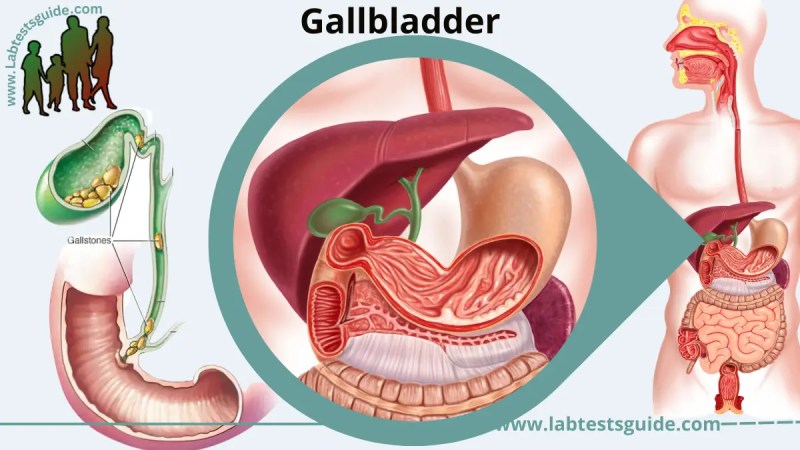
The gall bladder is a small, pear-shaped organ tucked beneath the liver, yet its influence on digestion is disproportionately vast. Often overlooked until it causes pain, its primary role revolves around storing and concentrating bile—a digestive fluid critical for breaking down fats. Without it, the digestive system must adapt, raising questions about what is the function of the gall bladder in both healthy and post-removal scenarios. This organ’s efficiency hinges on its ability to release bile precisely when needed, a process finely tuned by hormonal signals and neural feedback.
For centuries, the gall bladder was misunderstood, dismissed as a vestigial relic with little purpose. Modern science has since corrected that narrative, revealing its indispensable role in lipid metabolism and nutrient absorption. The liver produces bile continuously, but the gall bladder acts as a reservoir, releasing it in pulses during meals—particularly those high in fat. This synchronization ensures fats are emulsified efficiently, allowing enzymes to access their molecular structures. Disrupt this system, and digestion stalls, leading to symptoms like bloating, indigestion, or worse.
The consequences of gall bladder dysfunction extend beyond discomfort. Chronic inflammation or gallstones can trigger severe pain, while removal (cholecystectomy) forces the body to redistribute bile storage to the duodenum. Understanding what is the function of the gall bladder isn’t just academic; it’s practical for millions managing dietary choices, medical conditions, or post-surgical recovery. Below, we dissect its mechanisms, historical context, and the ripple effects of its absence.

The Complete Overview of What Is the Function of the Gall Bladder
The gall bladder’s primary function is to store, concentrate, and release bile—a greenish-yellow fluid produced by the liver. Bile contains bile salts, cholesterol, bilirubin, and phospholipids, all of which are essential for digesting dietary fats and absorbing fat-soluble vitamins (A, D, E, and K). When food enters the small intestine, particularly fatty meals, the hormone cholecystokinin (CCK) signals the gall bladder to contract, expelling bile into the duodenum via the common bile duct. This process transforms large fat globules into smaller droplets, increasing their surface area for pancreatic lipase to act upon.What is the function of the gall bladder becomes clearer when considering its dual role in digestion and metabolic regulation. Beyond fat emulsification, bile aids in the excretion of waste products like bilirubin (a byproduct of red blood cell breakdown) and excess cholesterol. The gall bladder’s ability to concentrate bile—up to 10 times its volume—ensures efficient use of bile salts, which are recycled by the liver. This recycling system minimizes waste and maintains digestive homeostasis. Disruptions, such as gallstones or bile duct obstructions, can lead to back pressure, inflammation, or systemic complications like jaundice.
Historical Background and Evolution
Ancient civilizations, including the Egyptians and Greeks, documented the gall bladder’s presence but misunderstood its purpose. The Greek physician Galen (2nd century AD) believed it was a cooling organ, while medieval scholars often associated it with melancholy—a humoral imbalance. It wasn’t until the 19th century that scientists like Claude Bernard and later William Beaumont (famous for his experiments on digestion) began unraveling its digestive functions. Beaumont’s work with Alexis St. Martin, a patient with a gastric fistula, revealed how bile emulsified fats—a breakthrough that laid the foundation for modern understanding.The evolution of medical imaging in the 20th century further clarified what is the function of the gall bladder. Ultrasound and cholescintigraphy (HIDA scans) allowed physicians to visualize bile flow and diagnose conditions like cholecystitis or biliary dyskinesia. Surgical advancements, such as laparoscopic cholecystectomy in the 1980s, transformed treatment of gall bladder diseases from high-risk procedures to outpatient interventions. Today, research into bile acid metabolism and the gut microbiome continues to redefine the gall bladder’s role in metabolic diseases like diabetes and obesity.
Core Mechanisms: How It Works
The gall bladder’s function is governed by a feedback loop between the liver, gall bladder, and small intestine. The liver produces bile continuously, but only ~5% is secreted directly into the duodenum; the remaining 95% is stored in the gall bladder. This storage involves active transport of water and ions, concentrating bile from ~1,000 mOsm/L to ~3,000 mOsm/L. The organ’s muscular wall contracts in response to CCK, a hormone released by the duodenum upon detecting fats and proteins.Table of Contents
- The Complete Overview of What Is the Function of the Gall Bladder
- Historical Background and Evolution
- Core Mechanisms: How It Works
- Key Benefits and Crucial Impact
- Major Advantages
- Comparative Analysis
- Future Trends and Innovations
- Conclusion
- Comprehensive FAQs
- Q: Can you live without a gall bladder?
- Q: What happens if the gall bladder stops working?
- Q: Does gall bladder removal affect weight loss?
- Q: Can gall bladder issues cause back pain?
- Q: Are there natural ways to improve gall bladder function?
- Q: How does gall bladder disease affect the liver?
- Q: What foods should be avoided with gall bladder problems?
What is the function of the gall bladder in this cycle? It acts as a timing mechanism. Without it, bile dribbles continuously into the intestine, diluting its effectiveness. The gall bladder’s ability to release bile in bursts ensures that fat digestion is synchronized with gastric emptying. Additionally, the sphincter of Oddi (a muscular valve at the bile duct’s junction with the pancreas) regulates flow, preventing reflux of pancreatic enzymes into the bile ducts. Dysfunction here—such as sphincter of Oddi dysfunction—can mimic gall bladder disease, complicating diagnosis.
Key Benefits and Crucial Impact
The gall bladder’s role in digestion is non-negotiable for optimal nutrient absorption and metabolic health. By concentrating and releasing bile, it ensures that dietary fats are broken down efficiently, sparing the body from malabsorption-related deficiencies. This process also supports the absorption of fat-soluble vitamins, critical for immune function, bone health, and vision. Beyond digestion, bile acids act as signaling molecules, influencing glucose metabolism and gut microbiota composition—links now under intense study for their role in obesity and diabetes.What is the function of the gall bladder extends to waste management. Bilirubin, a pigment from hemoglobin breakdown, is excreted via bile. Without proper bile flow, bilirubin accumulates, leading to jaundice—a condition marked by yellowing skin and eyes. Chronic bile stasis can also foster bacterial overgrowth in the bile ducts, increasing infection risks. The gall bladder’s ability to store and release bile in a controlled manner thus acts as a safeguard against these systemic issues.
"The gall bladder is not a passive reservoir but an active participant in metabolic regulation, bridging liver function and intestinal absorption." — Dr. Michael Camilleri, Mayo Clinic Gastroenterologist
Major Advantages
- Efficient Fat Digestion: Concentrated bile maximizes fat emulsification, improving absorption of calories and nutrients.
- Waste Excretion: Facilitates removal of bilirubin and excess cholesterol, preventing toxic buildup.
- Metabolic Signaling: Bile acids influence glucose metabolism and gut hormone release (e.g., GLP-1), linking digestion to energy balance.
- Prevention of Reflux: Coordinated release with the sphincter of Oddi minimizes pancreatic-bile duct conflicts.
- Adaptability Post-Removal: While the body compensates, bile becomes less efficient, often requiring dietary adjustments (e.g., low-fat meals).
Comparative Analysis
| With Gall Bladder | Without Gall Bladder (Post-Cholecystectomy) |
|---|---|
| Bile stored and released in pulses; high concentration (~3,000 mOsm/L). | Bile dribbles continuously; lower concentration (~1,000 mOsm/L). |
| Fat digestion optimized; minimal malabsorption. | Increased risk of fatty stools (steatorrhea) and vitamin deficiencies. |
| Bilirubin excretion efficient; low jaundice risk. | Higher bilirubin levels possible, especially with liver stress. |
| Bile acids recycled effectively; metabolic signaling intact. | Altered bile acid profiles may affect glucose and lipid metabolism. |
Future Trends and Innovations
Advances in bile acid research are redefining what is the function of the gall bladder in metabolic diseases. For instance, bile acid sequestrants (e.g., cholestyramine) are being repurposed to treat diabetes by modulating gut hormones. Meanwhile, microbiome studies reveal that gut bacteria metabolize bile acids into signaling molecules that influence inflammation and obesity. Future therapies may target bile acid receptors (e.g., FXR, TGR5) to treat conditions from NAFLD to irritable bowel syndrome.Surgical innovations, such as bile duct reconstruction techniques, are improving outcomes for patients with gall bladder cancer or complex biliary strictures. Additionally, bioengineered gall bladder tissues or bile storage devices could emerge as alternatives for those who cannot retain their natural organ. As our understanding of bile’s systemic roles grows, so too will the clinical applications of preserving or replacing gall bladder function.

Conclusion
The gall bladder’s function is a testament to evolutionary efficiency—a small organ with outsized impact on digestion, metabolism, and waste excretion. From its historical misconceptions to its modern-day relevance in metabolic health, its role is far from obsolete. While removal is common and often life-saving, the body’s adaptation comes at a cost: reduced digestive efficiency and potential long-term metabolic shifts. For those with intact gall bladders, dietary choices—particularly fat intake—directly influence its function, underscoring the need for awareness.What is the function of the gall bladder, then, is not just a question of anatomy but of systemic harmony. It bridges the liver’s synthetic prowess with the intestine’s absorptive needs, ensuring that every meal is processed with precision. As research progresses, the gall bladder may yet reveal more surprises—perhaps even as a target for therapies beyond digestion. Until then, its legacy remains firmly planted in the crossroads of physiology and clinical practice.
Comprehensive FAQs
Q: Can you live without a gall bladder?
A: Yes, but with adaptations. The liver continues producing bile, but without storage, it dribbles into the intestine, reducing efficiency. Most people adjust within weeks, though some experience bloating or fatty stools, often managed with low-fat diets.
Q: What happens if the gall bladder stops working?
A: Dysfunction can lead to bile stasis, increasing gallstone or infection risks. Symptoms include severe abdominal pain (biliary colic), jaundice, or nausea. Treatment may involve medication (ursodiol), surgery, or ERCP (endoscopic removal of stones).
Q: Does gall bladder removal affect weight loss?
A: Indirectly. Some studies suggest post-cholecystectomy patients may lose weight due to reduced fat absorption, but this varies. Others gain weight if they compensate by eating more calories. Dietary fat intake becomes critical.
Q: Can gall bladder issues cause back pain?
A: Yes, referred pain from gall bladder inflammation (cholecystitis) can radiate to the upper back or right shoulder blade due to shared nerve pathways. This is distinct from typical gall bladder pain, which is often sharp and localized beneath the ribs.
Q: Are there natural ways to improve gall bladder function?
A: Lifestyle changes help: eating fiber-rich, low-fat meals; staying hydrated; and avoiding rapid weight loss (which increases stone risk). Some herbs (e.g., dandelion root, milk thistle) may support liver-bile flow, but consult a doctor before use, especially with existing conditions.
Q: How does gall bladder disease affect the liver?
A: Chronic gall bladder issues (e.g., stones, infections) can lead to bile duct obstructions, causing liver damage (cholestasis). Prolonged blockages may result in cirrhosis or secondary liver diseases, highlighting the interconnectedness of biliary and hepatic health.
Q: What foods should be avoided with gall bladder problems?
A: High-fat foods (fried foods, fatty meats, full-fat dairy), refined sugars, and processed foods can trigger symptoms. Small, frequent meals with healthy fats (avocados, olive oil) and fiber (vegetables, whole grains) are generally better tolerated.
Leave a Comment
Comments are moderated before appearing. The data you submit is processed according to the Privacy Policy of Bevvy.