The Hidden Powerhouse: What Is Gallbladder and Why It Matters
The gallbladder is a small, pear-shaped organ tucked beneath the liver, often overlooked until it causes discomfort. Yet, its role in digestion is indispensable—secreting bile to break down fats and absorb nutrients efficiently. Without it, the digestive system would struggle to process even the simplest meals, leading to malabsorption and metabolic imbalances. This unassuming organ, though rarely discussed in everyday health conversations, is a silent regulator of metabolic harmony.
Many people first encounter the term what is gallbladder during medical consultations, often after experiencing sharp abdominal pain or jaundice. Symptoms like these signal gallbladder dysfunction, forcing a deeper examination of its anatomy and physiology. The organ’s ability to store and concentrate bile—a digestive fluid produced by the liver—makes it a linchpin in fat metabolism. When bile isn’t properly released, fats remain undigested, leading to bloating, nausea, or even gallstones.
The gallbladder’s significance extends beyond digestion. Its health reflects broader systemic well-being, influencing liver function, cholesterol levels, and even hormonal balance. Understanding what is gallbladder isn’t just academic; it’s a gateway to recognizing how modern diets, stress, and lifestyle choices impact this often-neglected organ.

The Complete Overview of What Is Gallbladder
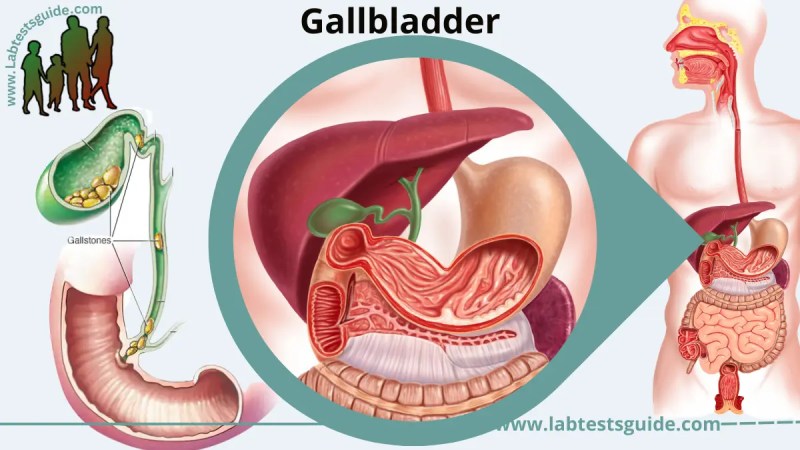
The gallbladder is a hollow, muscular organ measuring about 7–10 centimeters long, resembling a teardrop in shape. Located beneath the liver’s right lobe, it serves as a reservoir for bile—a yellow-green fluid critical for emulsifying dietary fats. When food enters the small intestine, the gallbladder contracts, releasing bile into the duodenum via the bile ducts. This process ensures fats are broken down into fatty acids and glycerol, facilitating nutrient absorption. Without this organ, bile would drip continuously into the digestive tract, diluting its effectiveness and impairing digestion.Anatomically, the gallbladder consists of three parts: the fundus (the rounded end), the body (the central portion), and the neck (the narrow section leading to the cystic duct). The cystic duct merges with the common hepatic duct to form the common bile duct, which empties into the duodenum. This intricate plumbing system highlights the gallbladder’s role as both a storage unit and a controlled-release mechanism for bile. Its walls are lined with mucosal folds that expand to hold bile between meals, releasing it only when needed—a finely tuned process essential for efficient digestion.
Historical Background and Evolution
Early anatomical studies of the gallbladder date back to ancient civilizations, where physicians like Galen in the 2nd century AD described its structure and suspected its role in digestion. However, it wasn’t until the 19th century that scientists confirmed its function as a bile storage organ. The advent of microscopy and surgical advancements in the 1800s allowed researchers to observe bile’s chemical composition and its impact on fat digestion, solidifying the gallbladder’s place in medical textbooks.Evolutionarily, the gallbladder’s development reflects dietary adaptations. Herbivorous animals, which rely on plant-based fats, often have larger gallbladders to process fibrous meals. Humans, as omnivores, retain the organ but with a smaller capacity, suggesting a shift toward more varied fat sources. Modern research even suggests that gallbladder size and bile composition vary across populations, influenced by genetic and environmental factors—raising questions about how what is gallbladder differs in individuals with metabolic disorders.
Core Mechanisms: How It Works
The gallbladder’s primary function revolves around bile storage and release, a process regulated by hormones and neural signals. When the liver produces bile, it flows into the gallbladder, where water is absorbed, concentrating the bile up to 10-fold. This concentrated form is rich in bile salts, cholesterol, and bilirubin—components that target fats in the digestive tract. Upon eating, particularly fatty foods, the hormone cholecystokinin (CCK) triggers gallbladder contraction, propelling bile into the duodenum.Table of Contents
- The Complete Overview of What Is Gallbladder
- Historical Background and Evolution
- Core Mechanisms: How It Works
- Key Benefits and Crucial Impact
- Major Advantages
- Comparative Analysis
- Future Trends and Innovations
- Conclusion
- Comprehensive FAQs
- Q: Can you live without a gallbladder?
- Q: What causes gallstones, and how are they treated?
- Q: Does the gallbladder affect weight loss?
- Q: Are there natural ways to support gallbladder health?
- Q: How does the gallbladder relate to liver disease?
- Q: Can stress or emotions impact gallbladder function?
The efficiency of this system depends on the gallbladder’s muscular walls and its ability to respond to CCK. Disruptions—such as gallstones (hardened bile deposits) or inflammation (cholecystitis)—can block bile flow, leading to pain and digestive issues. Even subtle imbalances, like excessive cholesterol in bile, can precipitate gallstone formation, underscoring the gallbladder’s delicate role in maintaining metabolic equilibrium. Understanding these mechanics answers not just what is gallbladder, but how its dysfunction manifests in clinical symptoms.
Key Benefits and Crucial Impact
The gallbladder’s contributions to health extend beyond digestion. By concentrating and releasing bile, it optimizes nutrient absorption, particularly fat-soluble vitamins (A, D, E, and K). Without this organ, these vitamins would remain poorly absorbed, leading to deficiencies that affect immunity, bone health, and vision. Additionally, bile aids in the excretion of waste products like bilirubin, a byproduct of red blood cell breakdown, preventing jaundice and liver strain.Modern research also links gallbladder health to broader metabolic processes. For instance, bile acids influence gut microbiota, which in turn regulate inflammation and energy metabolism. A dysfunctional gallbladder may disrupt this axis, contributing to conditions like obesity and insulin resistance. These findings highlight why what is gallbladder is more than an anatomical question—it’s a window into systemic health.
"The gallbladder is not just a passive storage vessel; it’s an active participant in metabolic regulation, bridging liver function and intestinal absorption." — Dr. Michael Symonds, Gastroenterologist
Major Advantages
- Fat Digestion: Concentrated bile emulsifies fats, increasing surface area for enzymatic breakdown, which enhances absorption of fatty acids and cholesterol.
- Vitamin Absorption: Facilitates uptake of fat-soluble vitamins critical for immune function, hormone synthesis, and cellular repair.
- Waste Excretion: Bilirubin and excess cholesterol are expelled via bile, reducing liver burden and preventing toxic buildup.
- Metabolic Regulation: Bile acids influence gut bacteria, which play roles in glucose metabolism and inflammation control.
- Prevention of Malabsorption: Ensures dietary fats aren’t excreted undigested, preserving energy balance and preventing nutrient deficiencies.

Comparative Analysis
| Gallbladder Presence | Key Functional Difference |
|---|---|
| Humans and Most Mammals | Stores and concentrates bile; essential for fat digestion in omnivorous diets. |
| Herbivores (e.g., Cows, Horses) | Larger gallbladders to process high-fiber, low-fat plant diets efficiently. |
| Carnivores (e.g., Dogs, Cats) | Smaller or absent gallbladders; rely on continuous bile flow due to high-fat meat diets. |
| Birds (e.g., Chickens) | No gallbladder; bile drips continuously into the intestine, adapted to seed-based diets. |
Future Trends and Innovations
Advances in medical imaging and genetic research are redefining our understanding of what is gallbladder and its potential. For instance, MRI and endoscopic techniques now allow non-invasive visualization of bile duct obstructions, reducing the need for exploratory surgery. Meanwhile, studies on bile acid receptors (e.g., FXR and TGR5) are uncovering therapeutic targets for metabolic diseases, suggesting that gallbladder dysfunction may one day be treated with precision drugs rather than surgery.Emerging research also explores the gallbladder’s role in cancer prevention. Bile acids have been linked to colorectal cancer risk, prompting investigations into how diet and gut microbiota modulate these pathways. As our knowledge grows, the gallbladder may transition from a "disposable" organ (often removed in surgeries) to a critical player in personalized medicine, where its function is optimized rather than eliminated.
Conclusion
The gallbladder’s quiet yet indispensable role in digestion underscores why what is gallbladder is a question with far-reaching implications. From breaking down fats to regulating metabolism, its functions are deeply intertwined with overall health. While modern diets and sedentary lifestyles increase the risk of gallbladder disorders, awareness and preventive measures—such as balanced nutrition and regular exercise—can mitigate these risks. As science continues to unravel its complexities, the gallbladder may soon move from the sidelines to the forefront of digestive and metabolic research.Understanding this organ isn’t just about recognizing its anatomy; it’s about appreciating its silent contributions to daily well-being. Whether through dietary choices, medical advancements, or lifestyle adjustments, the gallbladder’s story is one of resilience—and one that’s only beginning to be told.
Comprehensive FAQs
Q: Can you live without a gallbladder?
A: Yes, the body can function without a gallbladder, though digestion may become less efficient. Bile will continue to be produced by the liver but will drip continuously into the intestine, which may lead to mild digestive discomfort, especially after fatty meals. Most people adapt well post-surgery, but some may experience long-term changes in nutrient absorption.
Q: What causes gallstones, and how are they treated?
A: Gallstones form when bile contains too much cholesterol or bilirubin, or too little bile salt. Risk factors include obesity, rapid weight loss, and a high-fat diet. Treatment options range from dietary changes and medication (like ursodeoxycholic acid) to surgical removal (cholecystectomy) if stones cause pain or blockages.
Q: Does the gallbladder affect weight loss?
A: Indirectly, yes. A dysfunctional gallbladder can impair fat digestion, leading to malabsorption and weight gain. Conversely, gallbladder removal may initially cause weight loss due to reduced fat absorption, but long-term effects depend on dietary adjustments to compensate for lost bile storage.
Q: Are there natural ways to support gallbladder health?
A: Maintaining a balanced diet rich in fiber, healthy fats (like omega-3s), and antioxidants can promote bile flow. Staying hydrated, avoiding excessive alcohol, and managing cholesterol levels also reduce gallstone risk. Some herbs, like dandelion root and milk thistle, are traditionally used to support liver and gallbladder function.
Q: How does the gallbladder relate to liver disease?
A: The gallbladder and liver work closely; bile produced by the liver relies on the gallbladder for concentration and release. Liver diseases (e.g., cirrhosis) can impair bile production, while gallbladder issues (e.g., blockages) may cause bile to back up into the liver, leading to conditions like cholestasis or jaundice. Addressing one often requires considering the other.
Q: Can stress or emotions impact gallbladder function?
A: Chronic stress may influence bile production and gallbladder motility through hormonal pathways (e.g., cortisol). While acute stress doesn’t directly cause gallstones, long-term psychological strain is linked to digestive disorders, including gallbladder dysfunction. Stress management techniques, like mindfulness, may indirectly support gallbladder health.
Leave a Comment
Comments are moderated before appearing. The data you submit is processed according to the Privacy Policy of Bevvy.