The Unforgettable Legacy of Tammy Faye Bakker: A Life Beyond Scandal
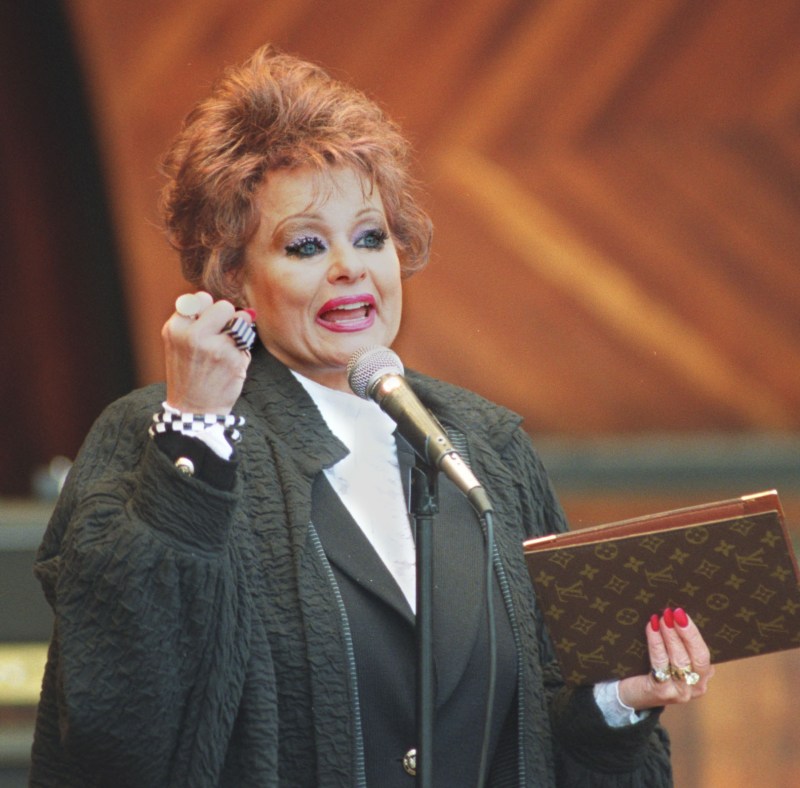
Tammy Faye Bakker was not merely a figure of her time; she was a storm of contradictions—a woman whose life defied easy categorization. She rose to fame as the charismatic co-host of the PTL Club, a syndicated television program that blended evangelical preaching with rock-and-roll energy, drawing millions of viewers to her unapologetic blend of faith, glamour, and unfiltered emotion. Yet, her legacy is not defined solely by the spectacle of her rise or the fallout of her scandal. It is the unforgettable legacy Tammy Faye Bakker left behind—one that reshaped American evangelical media, redefined celebrity within the church, and forced a reckoning with the intersection of money, power, and spirituality.
What made Bakker’s story so compelling was her authenticity, a quality that felt both revolutionary and reckless. She wore sequins to church, sang with a voice that could shatter stained glass, and spoke about sex, divorce, and financial struggles with a candor that left conservative audiences both captivated and horrified. Her 1979 autobiography, Tammy: The Story of Tammy Faye, became a bestseller, offering a rare glimpse into the personal life of a televangelist—a genre typically shrouded in piety. But it was her marriage to Jim Bakker, the PTL Ministry’s co-founder, that became the crucible in which her legacy was forged. Their partnership was a masterclass in media savvy, turning the PTL Club into a cultural phenomenon while simultaneously building an empire that would later collapse under the weight of its own excesses.
The Bakkers’ downfall in the early 1980s—marked by financial fraud, embezzlement, and a highly publicized trial—seemed to bury their influence forever. Yet, decades later, Tammy Faye’s story has been resurrected, not as a cautionary tale, but as a testament to resilience. Her 2002 documentary, An American Family, and the 2022 Hulu series The Comeback, starring Jessica Chastain, transformed her into a pop-culture icon, stripping away the moralizing lens through which she was once viewed. The unforgettable legacy Tammy Faye Bakker endures not because of her sins, but because of her unfiltered humanity—a quality that continues to fascinate and challenge audiences.

The Complete Overview of Tammy Faye Bakker’s Cultural Impact
Tammy Faye Bakker’s influence extends far beyond the confines of evangelical Christianity, embedding itself into the fabric of American media and entertainment. She was a pioneer in the era of televangelism, a movement that thrived on the intersection of religion and mass communication. Unlike her contemporaries, who often adhered to a more reserved, institutional approach, Bakker embraced spectacle, blending gospel music with rock antics, and even incorporating comedy sketches into her broadcasts. This boldness made the PTL Club a ratings juggernaut, proving that faith could be marketed with the same flair as secular entertainment—a strategy that would later be adopted by megachurches and digital ministries alike.Her legacy also lies in her ability to humanize religious leaders, a rarity in an era when pastors and preachers were often depicted as austere figures of moral authority. Bakker’s willingness to discuss her struggles—from her troubled childhood to her battles with alcoholism—created a sense of relatability that resonated with viewers. This authenticity, however, came at a cost. When the PTL Ministry’s financial improprieties were exposed in 1989, Bakker’s personal revelations were used against her, framing her as a hypocrite rather than a flawed but sincere believer. Yet, her story persisted, evolving into a narrative about redemption, reinvention, and the complexities of public perception.
Historical Background and Evolution
Tammy Faye LaValley was born in 1942 in Shenandoah, Iowa, to a family steeped in evangelical tradition. Her father, a Pentecostal preacher, instilled in her a deep faith, but her childhood was marked by instability, including a period spent in an orphanage. These experiences shaped her into a performer from an early age—she sang in church choirs and performed in local revivals, honing a stage presence that would later define her career. By the 1960s, she had married three times, including a brief union with a Pentecostal minister, before meeting Jim Bakker in 1971. Their shared vision for a television ministry led to the creation of the PTL Club in 1974, which quickly became a platform for their unorthodox brand of Christianity.The PTL Ministry’s growth was meteoric, fueled by Bakker’s charisma and Jim’s business acumen. They purchased a 160-acre compound in Charlotte, North Carolina, complete with a luxury hotel, a golf course, and even a private airstrip. The PTL Club broadcasts featured elaborate sets, celebrity guests, and a mix of preaching, music, and entertainment that appealed to a broad audience. At its peak, the ministry boasted an annual budget of over $120 million, making it one of the most influential religious organizations in the country. However, the empire’s success was built on shaky foundations—aggressive fundraising tactics, questionable financial practices, and a culture of excess that would ultimately lead to its undoing.
Core Mechanisms: How It Works
The PTL Ministry’s model was a masterclass in leveraging media for religious influence. At its core, the PTL Club functioned as a hybrid of infomercial, variety show, and sermon, designed to maximize viewer engagement and donor contributions. Tammy Faye’s on-screen persona—flamboyant, emotional, and deeply personal—created a sense of intimacy with audiences, making them more likely to respond to calls for financial support. The ministry’s fundraising relied heavily on "seed faith" offerings, where viewers were encouraged to send money based on the promise of divine return, a practice that blurred the line between charitable giving and speculative investment.Table of Contents
- The Complete Overview of Tammy Faye Bakker’s Cultural Impact
- Historical Background and Evolution
- Core Mechanisms: How It Works
- Key Benefits and Crucial Impact
- Major Advantages
- Comparative Analysis
- Future Trends and Innovations
- Conclusion
- Comprehensive FAQs
- Q: What was the PTL Club, and how did it contribute to Tammy Faye Bakker’s fame?
- Q: What led to the downfall of the PTL Ministry?
- Q: How did Tammy Faye Bakker’s later years differ from her time with the PTL Ministry?
- Q: What impact did Tammy Faye Bakker have on modern evangelical media?
- Q: Why has Tammy Faye Bakker’s story remained relevant decades after her prime?
- Q: What lessons can be learned from the unforgettable legacy Tammy Faye Bakker ?
Behind the scenes, the PTL operation was a high-stakes business venture. Jim Bakker’s leadership was characterized by aggressive expansion, including the development of Heritage USA, a $100 million theme park and resort complex. However, this growth came at the expense of transparency. Internal documents later revealed that Bakker had used ministry funds to finance personal luxuries, including a private jet and lavish vacations. The collapse of the ministry in 1989 was not just a financial failure but a cultural reckoning—one that exposed the vulnerabilities of televangelism as an industry. Tammy Faye’s role in this mechanism was pivotal; her ability to connect emotionally with viewers made the ministry’s ethical lapses all the more devastating when they were exposed.
Key Benefits and Crucial Impact
Tammy Faye Bakker’s story is a study in the duality of influence—how a single individual can shape an industry while simultaneously becoming its most infamous casualty. Her impact on evangelical media cannot be overstated. She proved that faith-based programming could be entertaining, profitable, and culturally relevant, paving the way for modern megachurches and digital ministries that prioritize production value over traditional sermonizing. Additionally, her willingness to discuss personal struggles—including her battles with alcoholism and depression—helped destigmatize mental health issues within conservative Christian circles, where such topics were rarely addressed openly.Yet, her legacy is not without controversy. The unforgettable legacy Tammy Faye Bakker is also a cautionary tale about the dangers of unchecked ambition and the ethical pitfalls of blending religion with commerce. The PTL scandal led to stricter regulations on televangelist fundraising and forced the industry to confront its own moral failings. For many, Bakker’s story remains a symbol of the excesses of the 1980s—a decade marked by greed, glamour, and the collapse of American dreams. However, her later years, particularly her sobriety and reconciliation with her family, offer a more nuanced perspective: one of redemption and the possibility of reinvention.
"Tammy Faye wasn’t just a televangelist; she was a performance artist who happened to preach. She understood that faith was a product, and she sold it better than anyone else—until she couldn’t." — HBO’s The Comeback creators
Major Advantages
- Pioneering Evangelical Media: Bakker’s approach to televangelism—blending entertainment, music, and preaching—set the template for modern Christian broadcasting, influencing networks like TBN and later digital platforms.
- Cultural Relatability: By sharing her personal struggles, she made faith feel accessible, fostering a connection with viewers that traditional preachers often lacked.
- Financial Innovation: The PTL Ministry’s fundraising model, though ethically questionable, demonstrated the potential for religious organizations to operate as large-scale businesses.
- Legacy of Reinvention: After her fall from grace, Bakker’s later years—marked by sobriety and reconciliation—offered a rare example of public redemption in evangelical circles.
- Pop-Culture Resurgence: Her story’s revival through documentaries and TV series has cemented her status as a cultural icon, transcending her original audience.

Comparative Analysis
| Aspect | Tammy Faye Bakker | Jim Bakker |
|---|---|---|
| Role in PTL Ministry | Public face, emotional connection with audiences, media personality | Business strategist, financial operations, behind-the-scenes leadership |
| Legacy | Cultural icon, symbol of faith and reinvention, enduring media presence | Infamous for fraud, served prison time, lesser cultural impact post-scandal |
| Controversies | Personal struggles (alcoholism, divorce), ethical questions about fundraising | Financial fraud, embezzlement, extramarital affairs, prison sentence |
| Post-Scandal Redemption | Sobriety, reconciliation with family, later years focused on faith and recovery | Limited public presence, continued legal and financial struggles |
Future Trends and Innovations
The unforgettable legacy Tammy Faye Bakker continues to evolve, particularly in how it intersects with modern media and evangelical culture. Today’s digital age has given rise to a new generation of faith-based influencers, many of whom emulate Bakker’s blend of personal storytelling and entertainment. Platforms like YouTube and Instagram allow religious leaders to bypass traditional broadcasting models, creating content that is both devotional and highly engaging. Bakker’s life story also serves as a case study in crisis management and public reinvention—a blueprint for how figures in the spotlight can navigate scandal and emerge with renewed relevance.Looking ahead, the legacy of Tammy Faye Bakker may also shape discussions about the ethics of religious fundraising and the role of celebrity within the church. As megachurches and online ministries grow in influence, questions about transparency, accountability, and the commercialization of faith remain pertinent. Bakker’s story forces a reckoning with these issues, ensuring that her impact extends beyond her era into the future of religious media.
Conclusion
Tammy Faye Bakker’s life was a whirlwind of highs and lows, a testament to the power of charisma, the dangers of unchecked ambition, and the resilience of the human spirit. Her unforgettable legacy Tammy Faye Bakker is not just about the scandal that defined her downfall, but about the authenticity that made her rise possible. She challenged the boundaries of what it meant to be a religious leader, proving that faith could be bold, unapologetic, and deeply personal. While her story is often reduced to the spectacle of her fall, the full scope of her influence reveals a woman who reshaped evangelical media, redefined celebrity within the church, and left an indelible mark on American culture.Decades after her prime, Bakker’s story continues to captivate because it refuses to be neatly packaged. She was both a victim and a survivor, a hypocrite and a heroine, a cautionary tale and an inspiration. The unforgettable legacy Tammy Faye Bakker endures not because of her sins, but because of her unfiltered humanity—a quality that ensures her place in history as one of the most complex and compelling figures of her time.
Comprehensive FAQs
Q: What was the PTL Club, and how did it contribute to Tammy Faye Bakker’s fame?
A: The PTL Club was a syndicated television program launched in 1974 by Tammy Faye and Jim Bakker, serving as the flagship of the PTL Ministry. It blended evangelical preaching with rock music, comedy sketches, and personal storytelling, creating a unique and highly engaging format. The show’s success made Tammy Faye a household name, appealing to both religious and secular audiences with her charismatic, unfiltered approach to faith.
Q: What led to the downfall of the PTL Ministry?
A: The PTL Ministry’s collapse in 1989 was the result of a combination of financial fraud, ethical lapses, and personal scandals. Investigations revealed that Jim Bakker had embezzled millions from the ministry, using funds for personal luxuries and extramarital affairs. Tammy Faye’s struggles with alcoholism and the couple’s turbulent marriage also contributed to the ministry’s decline. The scandal led to legal consequences, including prison time for Jim Bakker and a significant loss of public trust.
Q: How did Tammy Faye Bakker’s later years differ from her time with the PTL Ministry?
A: After the PTL scandal, Tammy Faye Bakker focused on personal redemption, achieving sobriety and reconciling with her family. She distanced herself from the controversies of her past, emphasizing her faith and recovery. Her later years were marked by a more subdued public presence, though her story continued to be revisited in documentaries and TV series, which portrayed her as a complex figure rather than just a scandal.
Q: What impact did Tammy Faye Bakker have on modern evangelical media?
A: Bakker’s influence on evangelical media is profound. She demonstrated that faith-based programming could be entertaining and culturally relevant, setting a precedent for modern megachurches and digital ministries. Her approach to blending personal storytelling with religious content has been adopted by contemporary influencers, who use platforms like YouTube and Instagram to reach audiences in innovative ways.
Q: Why has Tammy Faye Bakker’s story remained relevant decades after her prime?
A: Tammy Faye Bakker’s story endures because it embodies the contradictions of American culture—faith and scandal, redemption and reinvention, authenticity and excess. Her life forces audiences to grapple with questions about morality, media, and the human condition. Additionally, her later portrayal in documentaries and TV series has reintroduced her to new generations, ensuring her legacy remains a topic of fascination.
Q: What lessons can be learned from the unforgettable legacy Tammy Faye Bakker?
A: Bakker’s story offers several key lessons: the importance of ethical transparency in religious leadership, the risks of blending faith with commerce, and the power of personal reinvention. It also highlights the need for accountability in media and the potential consequences of unchecked ambition. Ultimately, her legacy serves as a reminder that even in the face of failure, authenticity and resilience can leave a lasting impact.
Leave a Comment
Comments are moderated before appearing. The data you submit is processed according to the Privacy Policy of Bevvy.