Tag
environmental impact
-

Why Does Water Expand When Frozen? The Science Behind Nature’s Oddity
The implications stretch far beyond household inconveniences. In geology, this expansion carves glaciers and fractures bedrock, while in biology, it explains...
-

Is Ammonia a Base? The Science Behind Its Chemical Duality
Ammonia (NH₃) occupies a unique position in chemistry—a molecule so versatile it challenges the very definitions of acids and bases. At first glance, its role...
-

The Hidden Power of Coal: What Is Coal and Why It Still Shapes Our World
Beneath the surface of continents, where geological forces have simmered for millions of years, lies a substance so fundamental to human progress that...
-
The Irwin Family’s Legacy: Nature’s Guardians and Beyond
Behind the camera smiles and high-energy documentaries lies a decades-long commitment to saving species like the cassowary, the platypus, and countless others...
-

The Hidden Power of Tides: What Is a Neap Tide and Why It Matters
The distinction between neap and spring tides isn’t just academic—it’s a matter of survival for coastal ecosystems and human activities alike. Fishermen time...
-

The Hidden Science of Water: What Is Hydrolysis and Why It Matters
The first time you witness hydrolysis in action, you might not even realize it. It’s the silent force behind the slow dissolution of a sugar cube in tea, the...
-

The Hidden Power of Surfactants: What Is Surfactant and Why It Shapes Modern Science
Every time you wash your hands, apply soap, or spray fabric softener, you’re interacting with a molecule that defies intuition: a surfactant. These compounds...
-

What Does Precipitation Mean? The Hidden Science Behind Rain, Snow, and Climate
Yet beneath its simplicity lies a system of delicate balances. Humidity, temperature, and atmospheric pressure collide to determine whether precipitation...
-

The Hidden Power of Hg Element: Science, Industry, and Future Frontiers
The Hg element is not merely a relic of alchemical lore but a cornerstone of modern technology, from fluorescent lighting to high-precision scientific...
-

Why Lower Chlorine Levels Are Reshaping Pools, Health, and Industry Standards
What happens when chlorine levels drop? The answer isn’t just about clearer water or reduced chemical odors—it’s about rethinking the entire framework of water...
-

The Hidden Craft of Dredging: What Is Dredging and Why It Shapes Our World
Yet dredging is more than just excavation underwater. It’s a delicate negotiation between human ingenuity and natural forces—a process that demands engineering...
-

The Marmolada Glacier’s Vanishing Act: A Climate Crisis in the Alps
For generations, the Marmolada glacier has been a pilgrimage site for mountaineers, scientists, and tourists alike, its name—derived from the Ladin word...
-

How Plastic Ends Up in the Ocean: Uncovering the Pathways and Impacts
The presence of plastic in the marine environment has profound ecological consequences, impacting everything from microscopic organisms to the largest marine...
-

What Should You Feed the Ducks? The Science, Ethics, and Art of Pond Feeding
The misconceptions about what to feed ducks persist because feeding itself is a cultural ritual, not a scientific practice. Parks and lakes worldwide are...
-

What Is the High for Today’s Temperature? The Science, Impact, and Why It Matters
The question of what is the high for today’s temperature isn’t just about comfort—it’s about preparedness. Heatwaves, once rare events, now occur with alarming...
-

The Hidden Truth Behind Mayseeds of Leak: What You Need to Know
The term mayseeds of leak doesn’t appear in mainstream industrial or environmental lexicons, yet it quietly describes a critical yet overlooked phenomenon: the...
-

Why Water Is Called the Universal Solvent: Science Behind Its Unmatched Power
Water doesn’t just sustain life—it actively reshapes it. From the dissolution of minerals in rivers to the biochemical reactions inside every cell, its solvent...
-

The Hidden Power of Bromine: What Is It Used For Beyond the Basics?
The element’s journey from a laboratory curiosity to a cornerstone of modern manufacturing began in the 19th century, when its strong oxidizing and halogen...
-

The Hidden Truth: What Kills Ants—and Why It Matters More Than You Think
Most people assume ants die from pesticides or squashed boots, but the reality is far more complex. Natural enemies—fungi, parasites, and rival insects—play a...
-
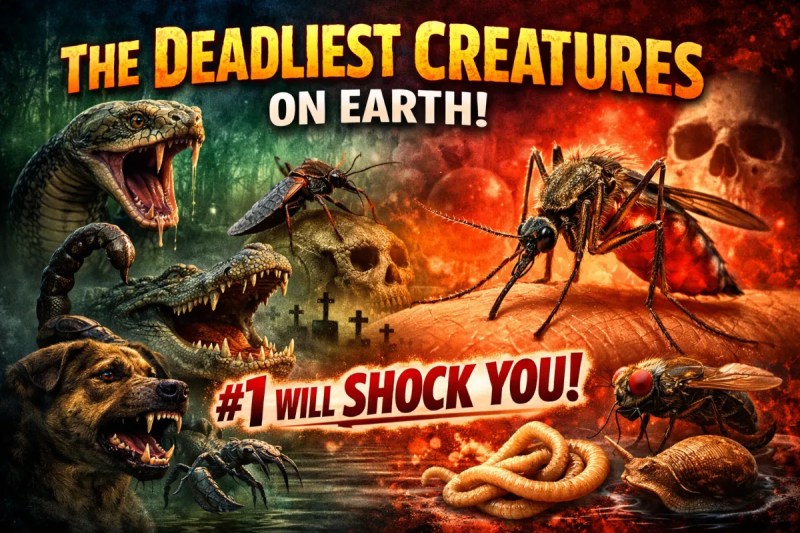
The Shocking Truth: What Is the Deadliest Creature on Planet Earth?
The answer lies not in the jungles or oceans, but in the humming air around us—a creature so small it fits on a fingernail, yet so potent that its bite or...
