Tag
culinary science
-

The Science Behind Boiled Eggs: How Long Does Boiled Eggs Last & Stay Perfect
The lifespan of boiled eggs isn’t one-size-fits-all. A hard-boiled egg left at room temperature may last mere hours before bacterial risks escalate, while one...
-

The Science and Art of What Potatoes Make the Best Mashed Potatoes
The question of what potatoes make the best mashed potatoes is one that divides home cooks and professional chefs alike. While some swear by the creamy texture...
-

The Best Salmon Baking Recipe: A Perfect Balance of Flavor, Texture, and Precision
The allure of the best salmon baking recipe lies in its versatility. Whether you’re a home cook aiming for weeknight elegance or a professional refining a...
-

The Art of Crafting a Perfect Medium Rare Burger
The allure of a medium rare burger lies in its paradox: it’s both a casual indulgence and a culinary precision instrument. Diners who’ve settled for overcooked...
-

The Exact Answer: How Many Tablespoons in a Gram of Butter (And Why Precision Matters)
The problem deepens when you consider that not all butter is created equal. Salted butter, unsalted butter, European-style butter with higher fat content—each...
-

The Definitive Answer to What Is the Healthiest Cooking Oil in 2024
The problem isn’t just the oils themselves but the misinformation that surrounds them. Low-fat diets of the 1990s vilified all fats, leading to a generation of...
-

The Secret Battle: Dill vs Fresh Dill Ultimate in Flavor, Nutrition & Culinary Mastery
Professional chefs and home cooks alike know the stakes. Dried dill, with its concentrated umami punch, dominates canned soups and marinades where subtlety is...
-

The Science & Art of How Do I Tenderize Meat: Mastering Texture for Perfect Cuts
There’s a quiet revolution happening in home kitchens and professional culinary labs alike: the rediscovery of how do I tenderize meat as both a science and an...
-
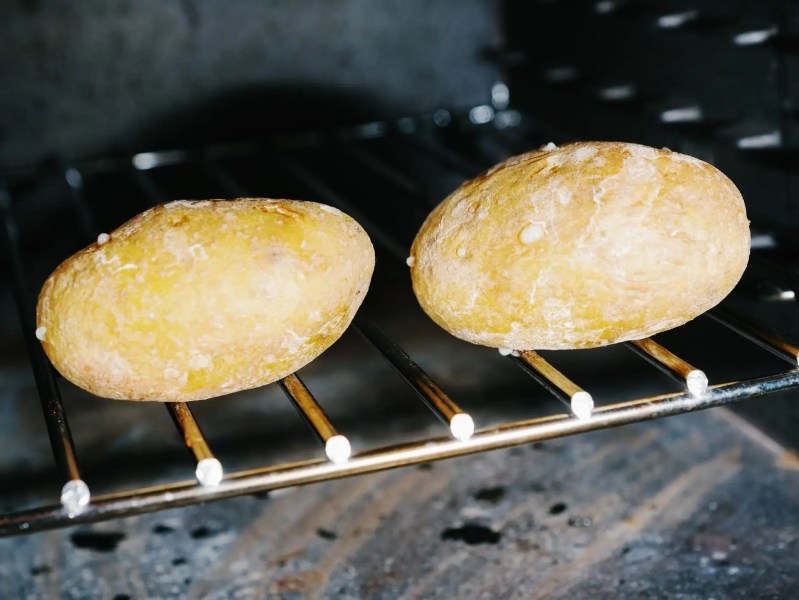
The Science Behind the Perfect Baked Potato: Nailing the Best Temperature for Flavor and Texture
The stakes are higher than most realize. A potato baked at the wrong temperature can turn out as a brick—hard on the outside, unappetizingly dense within...
-

The Best Dry Rub for Steak: Science, Tradition, and Flavor Mastery
Steak connoisseurs and competitive pitmasters don’t rely on guesswork. They understand that the best dry rub for steak is a marriage of tradition and...
-

The Secret to Crispy Gold: Uncovering the Best Fried Chicken Flour
Professional kitchens don’t just reach for any flour. They select blends tailored to moisture retention, frying stability, and flavor development—qualities...
-

The Exact Answer: How Many ML Is a Cup (And Why It Matters)
What’s less discussed is how this measurement evolved. The cup as a standardized unit emerged from medieval trade practices, where volume was approximated...
-

The Best Way to Cook Baby Broccoli: Science, Technique, and Flavor Mastery
The science behind cooking baby broccoli is as fascinating as it is practical. Its small size means a higher surface-area-to-volume ratio, which accelerates...
-

The Art and Science of Perfectly Browning Sugar
Yet, for all its simplicity in theory, sugar browning is deceptive in practice. Too much heat, and it burns into bitter acridity; too little, and it remains a...
-

The Science of Savoring: How Long Can Bacon Be Kept in the Fridge Without Losing Flavor?
The USDA and food safety experts provide guidelines, but real-world conditions—like humidity, fridge temperature consistency, and whether the bacon is raw or...
-

The Hidden Role of What Is Modified Food Starch in Modern Food Science
The term itself is deceptively simple. At its core, modified food starch refers to starches that have undergone physical, enzymatic, or chemical treatments to...
-

The Hidden Science Behind What Is Salt Seasoning—and Why It Transforms Food
The paradox of salt lies in its duality: it can be both a subtle whisper and a bold declaration. Too little, and a dish feels flat; too much, and it becomes...
-

The Science & Art of Perfectly Boiled and Peeling Eggs
Yet for all its simplicity, boiling eggs remains one of the most misunderstood kitchen tasks. Too many cooks treat it as an afterthought—toss eggs into boiling...
-

How to Perfectly Measure 18 Teaspoons: Precision, Science, and Everyday Mastery
Yet even with tools in hand, confusion persists. Is a "teaspoon" the same globally? Does it matter if the ingredient is powdered sugar versus olive oil? And...
-

What Is the Difference Between a Fruit or Vegetable? The Science Behind the Confusion
The problem deepens when you consider hybrid foods like avocados—creamy, savory, and technically fruits by botanical standards—or bell peppers, which are sweet...