What the Kobe Unpacked: The Phrase That Defines Modern Slang
The internet has a way of immortalizing moments in shorthand. A single phrase can encapsulate an era, a joke, or an entire cultural shift. "What the Kobe" is one such phrase—born from tragedy, elevated by memes, and now a staple in casual conversation. It’s not just slang; it’s a linguistic fingerprint of how we process grief, humor, and collective memory in the digital age.
At first glance, it seems simple: a playful twist on the classic "what the hell" or "what the fuck," repurposed to honor Kobe Bryant’s legacy. But beneath the surface lies a complex interplay of sports fandom, internet irony, and the way language mutates when shared across platforms. The phrase didn’t just emerge—it evolved, adapting from a somber tribute to a meme so ubiquitous it now feels timeless. Understanding "what the Kobe" means reckoning with how we memorialize icons, how humor softens loss, and why certain words stick.
What makes the phrase endure isn’t just its association with Bryant’s name, but the way it mirrors broader cultural trends: the rise of "so sad it’s funny" humor, the commodification of tragedy in meme form, and the internet’s knack for repurposing pain into something shareable. It’s a microcosm of how we consume and reinterpret history—one tweet, one joke, one viral post at a time.

The Complete Overview of "What the Kobe"
"What the Kobe" is more than a catchphrase; it’s a cultural artifact that bridges the gap between sports, internet culture, and everyday language. Its origins trace back to January 26, 2020, when Kobe Bryant, his daughter Gianna, and seven others died in a helicopter crash in Calabasas, California. In the immediate aftermath, social media erupted with tributes, condolences, and—inevitably—a wave of dark humor. The phrase itself likely emerged from the fusion of shock ("what the hell") and Bryant’s nickname ("Black Mamba"), but its viral spread was less about the words and more about the sentiment they carried: a way to process grief through laughter, irony, or sheer absurdity.
By 2021, "what the Kobe" had transcended its initial context, appearing in memes, TikTok trends, and even mainstream media. It became a shorthand for any situation that was so unexpected or tragic that it warranted a mix of awe and dark humor. The phrase’s longevity speaks to its adaptability—it’s used in sports commentary, casual conversations, and even as a placeholder for any "unbelievable" moment, whether good or bad. But its power lies in its duality: it’s both a eulogy and a joke, a testament to how language bends under the weight of collective emotion.
Historical Background and Evolution
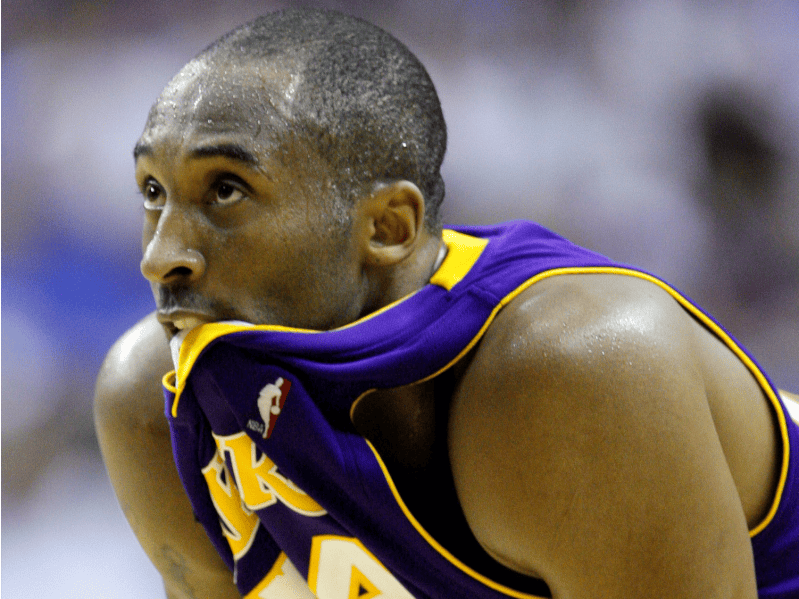
The phrase’s evolution is a study in how internet culture repurposes tragedy. Initially, the focus was on Bryant’s death and the global outpouring of grief. Fans and celebrities alike shared memories, statistics, and tributes, but beneath the surface, a darker undercurrent emerged: the internet’s tendency to turn sorrow into memes. "What the Kobe" became a meme template—an image of Bryant mid-dunk, paired with a caption like "what the Kobe" to signify anything from a jaw-dropping play to a surreal misfortune. This duality reflects a broader trend where platforms like Twitter and Reddit use humor as a coping mechanism.
Table of Contents
- The Complete Overview of "What the Kobe"
- Historical Background and Evolution
- Core Mechanisms: How It Works
- Key Benefits and Crucial Impact
- Major Advantages
- Comparative Analysis
- Future Trends and Innovations
- Conclusion
- Comprehensive FAQs
- Q: Where did "what the Kobe" originate?
- Q: Is "what the Kobe" still used today?
- Q: Why is the phrase associated with Kobe Bryant?
- Q: How does "what the Kobe" compare to other viral phrases?
- Q: Can "what the Kobe" be used in formal settings?
By 2022, the phrase had detached from its original context entirely. It was now a generic exclamation, used in settings far removed from sports or Bryant’s legacy. This shift highlights how viral slang often outlives its origins, becoming a tool for expression rather than a direct reference. The phrase’s survival is a testament to its versatility—it’s equally at home in a sports highlight reel or a rant about bad luck. Yet, its roots remain visible in how it’s often paired with images of Bryant, reinforcing its connection to the original moment of collective shock.
Core Mechanisms: How It Works
The phrase’s mechanics are rooted in semantic flexibility. "What the Kobe" functions as an exclamatory phrase, much like "what the hell" or "what the fuck," but with a layer of irony. Its power comes from the contrast between its serious origins and its casual, often humorous usage. When someone says "what the Kobe" in response to a viral video or a surprising event, they’re invoking the phrase’s dual meaning: both admiration for Bryant’s legacy and acknowledgment of life’s unpredictable nature.
Its spread was accelerated by meme culture, where repetition and remixing turn phrases into shared references. Platforms like TikTok and Instagram allowed users to create visual memes with the phrase, further embedding it in digital communication. The phrase also benefits from its brevity—three words that pack a punch, making it easy to type, share, and adapt. This efficiency is key to its longevity; in an era of fleeting trends, "what the Kobe" stuck because it was concise, adaptable, and deeply tied to a moment that resonated globally.
Key Benefits and Crucial Impact
"What the Kobe" exemplifies how language adapts to cultural shifts. Its rise reflects the internet’s role in shaping modern communication, where humor and tragedy often collide. The phrase’s impact is twofold: it serves as a linguistic shortcut for expressing shock or awe, and it acts as a cultural touchstone for a generation that processes emotions through digital lenses. For many, it’s a way to honor Bryant’s memory while navigating the complexities of grief in a connected world.
The phrase’s endurance also speaks to the power of shared references. In an age where trends move at the speed of a tweet, "what the Kobe" became a shorthand for a collective experience—one that transcended sports fandom. It’s a reminder of how language evolves, not just through formal channels but through the organic, often chaotic, processes of internet culture. The phrase’s ability to morph from a tribute to a meme underscores its versatility and cultural relevance.
"Language is the road map of a culture. It tells you where its people come from and where they are going." — Rita Mae Brown
Major Advantages
- Emotional Catharsis: The phrase allows users to process grief and shock through humor, a coping mechanism common in online communities.
- Cultural Shorthand: It serves as a quick reference for any "unbelievable" moment, bridging gaps between sports, pop culture, and everyday life.
- Adaptability: Unlike many viral phrases, "what the Kobe" remains relevant across contexts, from sports to casual conversation.
- Global Reach: Its association with Kobe Bryant—a globally recognized figure—ensures broad recognition and usage.
- Memetic Potential: The phrase’s brevity and visual appeal make it ideal for meme culture, ensuring its continued spread.
Comparative Analysis
| Aspect | Comparison |
|---|---|
| "What the Kobe" | A flexible, emotionally charged phrase used for shock or awe, often paired with humor. |
| "What the Hell" | A more direct exclamation of frustration or disbelief, lacking the layered irony of "what the Kobe." |
| "What the Fuck" | A stronger, more aggressive exclamation, often used in moments of anger rather than surprise. |
| "No Cap" | A slang phrase meaning "no lie," unrelated to emotional expression but similarly viral. |
Future Trends and Innovations
The trajectory of "what the Kobe" suggests that its influence will continue to evolve alongside internet culture. As new generations adopt and repurpose slang, the phrase may undergo further transformations—perhaps becoming even more detached from its origins or integrating into new meme formats. Its longevity hinges on its ability to remain relevant, which depends on the internet’s appetite for shared references and dark humor.
Looking ahead, we might see "what the Kobe" integrated into other cultural phenomena, such as gaming, music, or even political discourse. Its adaptability ensures it won’t fade into obscurity; instead, it will likely persist as a shorthand for any moment that feels too surreal to process without a mix of awe and irony. The phrase’s future may also depend on how Bryant’s legacy is remembered—if he remains a cultural icon, the phrase will endure as a testament to his impact.

Conclusion
"What the Kobe" is more than a phrase; it’s a snapshot of how we communicate, mourn, and joke in the digital age. Its journey from a tribute to a meme reflects the internet’s capacity to transform tragedy into something shareable, something that can be laughed at even as it’s remembered. The phrase’s endurance is a reminder of how language adapts to cultural shifts, often in ways that surprise even its creators.
As we continue to grapple with loss, shock, and the absurdities of life, "what the Kobe" will likely remain a part of our lexicon—a shorthand for the moments that leave us speechless, whether in admiration or disbelief. It’s a testament to the power of language to evolve, to comfort, and to connect us across distances and experiences.
Comprehensive FAQs
Q: Where did "what the Kobe" originate?
A: The phrase emerged in the wake of Kobe Bryant’s tragic death in January 2020, blending shock ("what the hell") with Bryant’s nickname ("Black Mamba"). It quickly spread as a meme and exclamatory phrase, reflecting the internet’s tendency to process grief through humor.
Q: Is "what the Kobe" still used today?
A: Yes, the phrase remains in use, though its meaning has broadened. It’s now a generic exclamation for any surprising or unbelievable moment, often detached from its original context. Its adaptability ensures continued relevance.
Q: Why is the phrase associated with Kobe Bryant?
A: The association stems from Bryant’s global fame and the collective shock of his death. The phrase became a way to honor his legacy while navigating the emotional complexity of the event, blending tribute with dark humor.
Q: How does "what the Kobe" compare to other viral phrases?
A: Unlike phrases like "no cap" or "what the hell," "what the Kobe" carries a layer of irony and emotional weight. Its duality—honoring Bryant while expressing surprise—sets it apart in modern slang.
Q: Can "what the Kobe" be used in formal settings?
A: While the phrase is casual and often humorous, its usage in formal settings would depend on context. In professional or serious discussions, it’s best avoided, as its origins are tied to internet culture and dark humor.
Leave a Comment
Comments are moderated before appearing. The data you submit is processed according to the Privacy Policy of Bevvy.