The Art of Persuasion: What Is a Rhetorical Appeal and How It Shapes Communication
Persuasion is not merely the art of convincing—it is the architecture of influence. Every speech that moves an audience, every advertisement that sells a product, and every political debate that shifts public opinion relies on an invisible yet powerful framework: what is a rhetorical appeal. These tools, honed over centuries, are the building blocks of effective communication, allowing speakers and writers to connect with their audience on emotional, ethical, and logical levels.
The concept transcends mere persuasion; it is the science of aligning messages with human psychology. Whether in a courtroom, a corporate boardroom, or a social media post, understanding how rhetorical appeals function determines whether an argument resonates or falls flat. The mastery of these techniques separates mediocre communicators from those who command attention and inspire action.
Yet, for all its power, what is a rhetorical appeal remains misunderstood. Many assume persuasion is about manipulation, but its true purpose is to bridge gaps between ideas and audiences. The difference lies in intent: ethical persuasion informs, while manipulation exploits. This distinction is critical in an era where misinformation spreads faster than truth, and where the ability to craft compelling narratives defines leadership.
The Complete Overview of What Is a Rhetorical Appeal
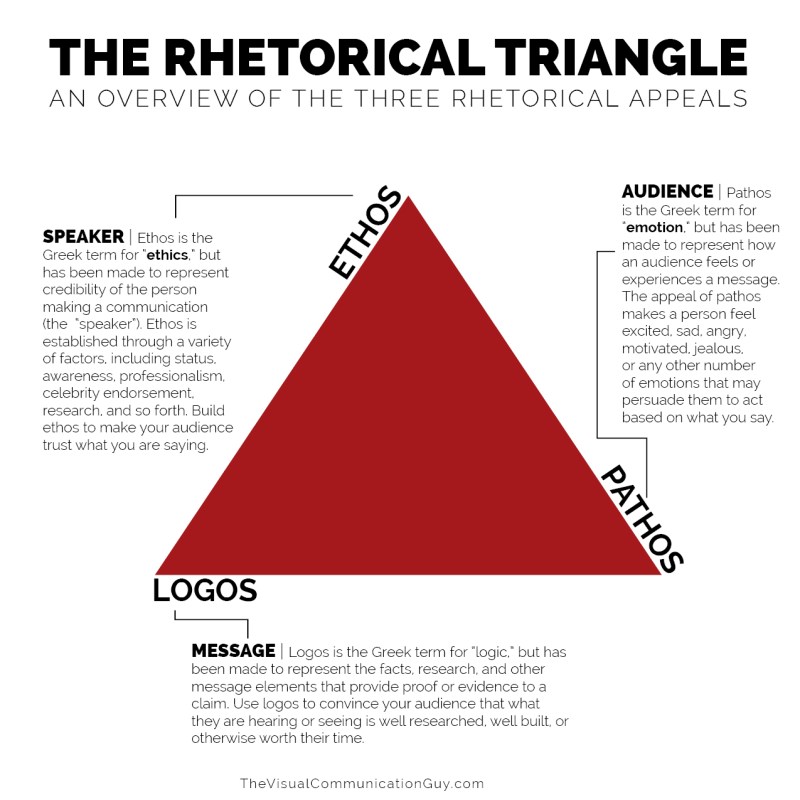
A rhetorical appeal is a strategic method used to influence an audience by leveraging specific elements of an argument—ethos (credibility), pathos (emotion), and logos (logic). Together, these pillars form the foundation of persuasive discourse, as articulated by Aristotle in his Rhetoric. The question what is a rhetorical appeal thus leads to a deeper inquiry: how do we structure messages to not only inform but also compel?
The answer lies in the interplay between speaker, message, and audience. A well-crafted appeal doesn’t just present facts; it weaves them into a narrative that appeals to the audience’s values, fears, and reasoning. For instance, a politician might use what constitutes a rhetorical appeal by citing their experience (ethos), evoking national pride (pathos), and presenting data-backed policies (logos). The synergy of these elements creates a persuasive force far greater than any single component.
Historical Background and Evolution
The origins of rhetorical appeals trace back to ancient Greece, where philosophers and orators recognized that raw logic alone could not sway crowds. Aristotle’s Rhetoric (circa 350 BCE) formalized the trio of ethos, pathos, and logos, establishing a framework that remains relevant today. Before Aristotle, Sophists like Gorgias experimented with emotional manipulation, but it was Aristotle who elevated rhetoric into a disciplined art—one that balanced persuasion with ethical responsibility.
Table of Contents
- The Complete Overview of What Is a Rhetorical Appeal
- Historical Background and Evolution
- Core Mechanisms: How It Works
- Key Benefits and Crucial Impact
- Major Advantages
- Comparative Analysis
- Future Trends and Innovations
- Conclusion
- Comprehensive FAQs
- Q: What is the difference between rhetoric and rhetorical appeals?
- Q: Can rhetorical appeals be used unethically?
- Q: How do I identify rhetorical appeals in media?
- Q: Are rhetorical appeals only for public speaking?
- Q: Which appeal is most effective in modern communication?
- Q: How can I improve my use of rhetorical appeals?
Fast forward to the Roman era, where Cicero expanded on these ideas, emphasizing the orator’s duty to serve the public good. The medieval period saw rhetoric intertwined with theology, while the Renaissance revived classical techniques, particularly in political and religious discourse. By the 19th and 20th centuries, the rise of mass media democratized rhetorical appeals, making them accessible to advertisers, journalists, and activists. Today, understanding rhetorical appeals is essential in fields ranging from marketing to diplomacy, proving that persuasion is as much a science as it is an art.
Core Mechanisms: How It Works
The effectiveness of a rhetorical appeal hinges on its ability to engage the audience on multiple levels simultaneously. Ethos, or credibility, establishes the speaker’s trustworthiness—whether through expertise, reputation, or shared values. Pathos taps into emotions, using storytelling, imagery, or tone to evoke empathy, anger, or hope. Logos, the appeal to reason, relies on evidence, structure, and logical consistency to build a compelling case.
What makes rhetorical appeals work is their adaptability. A speaker might prioritize ethos in a technical presentation, where authority matters most, or pathos in a memorial speech, where emotional connection is paramount. The key is balance: overemphasizing one appeal at the expense of others can undermine credibility. For example, a sales pitch that relies solely on logos may seem cold, while one that overuses pathos might appear manipulative. The art lies in calibrating these elements to fit the audience and context.
Key Benefits and Crucial Impact
Mastering what is a rhetorical appeal transforms communication from transactional to transformative. It allows speakers to move beyond mere information delivery, fostering deeper engagement and action. In business, persuasive appeals can close deals; in politics, they can mobilize voters; in education, they can inspire students. The impact is measurable: studies show that messages using rhetorical strategies are 40% more likely to be remembered and acted upon than those relying solely on facts.
Beyond practical outcomes, rhetorical appeals shape culture. They define how societies perceive leaders, brands, and ideas. A well-executed appeal can redefine public opinion, as seen in Martin Luther King Jr.’s "I Have a Dream" speech, where pathos and ethos converged to catalyze social change. Conversely, poorly executed appeals can erode trust, as history’s most infamous propagandists demonstrated. The stakes are high, making the study of rhetorical appeal techniques indispensable.
"Rhetoric is the art of ruling the minds of men." — Plato
While Plato’s view carries a cautionary tone, the sentiment underscores rhetoric’s power. Whether wielded for good or ill, what is a rhetorical appeal is a tool that demands ethical stewardship.
Major Advantages
- Enhanced Audience Connection: Rhetorical appeals create emotional and intellectual bridges, making complex ideas accessible and relatable.
- Increased Persuasiveness: Combining ethos, pathos, and logos strengthens arguments, making them harder to dismiss.
- Adaptability Across Mediums: From speeches to social media posts, rhetorical strategies can be tailored to any platform.
- Stronger Credibility: Demonstrating expertise (ethos) and logical rigor (logos) builds trust with the audience.
- Cultural Influence: Mastery of these techniques allows individuals and organizations to shape narratives that resonate on a societal level.

Comparative Analysis
| Appeal Type | Strengths and Weaknesses |
|---|---|
| Ethos (Credibility) | Strengths: Builds trust, essential for authority figures. Weaknesses: Over-reliance can seem arrogant; credibility must be earned, not claimed. |
| Pathos (Emotion) | Strengths: Highly engaging, effective in storytelling. Weaknesses: Can overshadow logic, risking manipulation if misused. |
| Logos (Logic) | Strengths: Objective and persuasive in data-driven contexts. Weaknesses: May feel cold; requires audience to engage critically. |
| Combination (Ethos + Pathos + Logos) | Strengths: Holistic appeal, maximizes impact. Weaknesses: Requires careful balance; poor execution can dilute effectiveness. |
Future Trends and Innovations
The digital age has redefined what is a rhetorical appeal, introducing new challenges and opportunities. Social media algorithms favor emotionally charged content, making pathos more dominant than ever. However, this shift has also led to a decline in critical thinking, as misinformation spreads through viral appeals lacking logos or ethos. The future may see a resurgence of balanced rhetoric, where platforms prioritize credibility and logic alongside engagement.
Artificial intelligence is poised to revolutionize rhetorical analysis. AI tools can now detect and simulate appeals in real-time, enabling personalized persuasion at scale. Yet, this raises ethical questions: should machines be allowed to craft persuasive narratives? As technology evolves, the need for human oversight in ethical rhetoric will become more critical. The goal remains the same—persuade responsibly—but the tools at our disposal are changing rapidly.

Conclusion
Understanding what is a rhetorical appeal is not just about mastering a technique; it is about recognizing the invisible forces that shape human interaction. From ancient orators to modern influencers, the principles of ethos, pathos, and logos remain the cornerstone of effective communication. The challenge lies in wielding these tools ethically, ensuring that persuasion serves truth rather than obscures it.
The study of rhetorical appeals is a lifelong pursuit, one that demands both analytical rigor and creative intuition. Whether you’re a student, a professional, or a citizen navigating an increasingly complex world, grasping these concepts will empower you to communicate with clarity, purpose, and impact. The art of persuasion is not a trick—it is a skill that, when used wisely, elevates discourse and drives meaningful change.
Comprehensive FAQs
Q: What is the difference between rhetoric and rhetorical appeals?
A: Rhetoric is the broader study of persuasive communication, while rhetorical appeals are specific tools (ethos, pathos, logos) within that framework. Think of rhetoric as the discipline and appeals as its core techniques.
Q: Can rhetorical appeals be used unethically?
A: Absolutely. Manipulative rhetoric exploits emotions or misrepresents facts to deceive. Ethical persuasion, however, aligns appeals with truth and audience well-being.
Q: How do I identify rhetorical appeals in media?
A: Look for credibility cues (ethos), emotional triggers (pathos), and logical structures (logos). For example, a politician’s "I’ve been fighting for you for 20 years" uses ethos, while "Imagine a world without this policy" uses pathos.
Q: Are rhetorical appeals only for public speaking?
A: No. They apply to writing, advertising, negotiations, and even casual conversations. Any context where influence matters can benefit from strategic appeals.
Q: Which appeal is most effective in modern communication?
A: It depends on the audience. Social media thrives on pathos, but data-driven fields (e.g., science) rely on logos. The best communicators blend all three judiciously.
Q: How can I improve my use of rhetorical appeals?
A: Practice analyzing speeches, ads, and debates to spot appeals in action. Experiment with balancing ethos, pathos, and logos in your own messages, and seek feedback on their impact.
Leave a Comment
Comments are moderated before appearing. The data you submit is processed according to the Privacy Policy of Bevvy.