How to List References on Resume: The Strategic Guide to Professional Credibility
The hiring process is a high-stakes game of perception, where every line on your resume either reinforces your qualifications or raises red flags. One element that often gets overlooked—yet carries immense weight—is the decision of how to list references on resume. Unlike the past, when employers expected a full page of character endorsements, today’s job market operates on a different rhythm. The question isn’t just whether to include references, but how to present them in a way that signals professionalism without cluttering your application. The truth? Most candidates still fumble this step, either omitting references entirely or listing them in a way that feels outdated or disorganized.
Consider this: A well-structured reference section can serve as a silent endorsement of your work ethic, skills, and cultural fit—qualities that hiring managers often seek beyond technical qualifications. Yet, the execution matters. A poorly formatted reference list can undermine your credibility, while a strategic approach can subtly reinforce your narrative. The key lies in understanding the unspoken rules of modern hiring: brevity, relevance, and ethical transparency. Whether you’re a recent graduate, a mid-career professional, or someone pivoting industries, the way you handle references can be the difference between a callback and a rejection.
The irony? Many job seekers treat references as an afterthought, assuming employers won’t scrutinize them—or worse, that they’re optional. But in competitive fields, especially those requiring trust (e.g., finance, healthcare, or leadership roles), references can be the tiebreaker. The challenge is balancing professionalism with practicality. Should you list references on your resume at all? If so, how? And what happens if an employer asks for them later? These aren’t just logistical questions; they’re strategic ones. The answers will shape how you’re perceived in the eyes of decision-makers.

The Complete Overview of How to List References on Resume
The modern resume is a carefully curated document, designed to highlight achievements while minimizing distractions. Yet, the reference section—if included—demands a different approach. Unlike skills or work history, references are about third-party validation, and their presentation must align with contemporary hiring expectations. The core principle? Clarity and accessibility. Employers should be able to locate your references effortlessly, but the actual listing should be concise. The days of printing a full reference page are fading; instead, a single line or a dedicated note is often sufficient.
Here’s the paradox: While references are valuable, their inclusion on a resume can sometimes backfire. Some hiring managers view them as unnecessary, assuming they’ll request them later if needed. Others may interpret an overly detailed reference section as a sign of desperation or lack of confidence. The solution? Adopt a hybrid approach: signal that references are available upon request, but keep the resume clean. This method respects the employer’s time while subtly reinforcing your professional network. The goal isn’t to overwhelm; it’s to invite further inquiry without demanding attention.
Historical Background and Evolution
The practice of listing references on a resume traces back to the early 20th century, when character and moral integrity were paramount in hiring. Before digital records, employers relied heavily on word-of-mouth endorsements from previous supervisors, colleagues, or even personal acquaintances. Resumes of the 1920s–1950s often included a full page of references, complete with handwritten notes or typed letters. This era treated references as a non-negotiable part of the application, akin to a modern-day cover letter.
Table of Contents
- The Complete Overview of How to List References on Resume
- Historical Background and Evolution
- Core Mechanisms: How It Works
- Key Benefits and Crucial Impact
- Major Advantages
- Comparative Analysis
- Future Trends and Innovations
- Conclusion
- Comprehensive FAQs
- Q: Should I list references on my resume at all?
- Q: What if an employer asks for references before I’ve applied?
- Q: How do I choose the best references?
- Q: Can I list references on my LinkedIn profile instead?
- Q: What if I don’t have professional references?
By the 1980s, as corporate culture shifted toward efficiency, the reference page began to decline. Employers realized that many candidates listed friends or family as references—endorsements that lacked credibility. Simultaneously, the rise of human resources departments created a buffer between hiring managers and direct reference checks. Fast-forward to today, and the landscape has evolved further. With LinkedIn and digital portfolios, professional networks are more visible than ever, reducing the need for a formal reference list. Yet, in niche industries or senior roles, references remain a critical tool. The evolution of how to list references on resume mirrors broader changes in workplace trust and transparency.
Core Mechanisms: How It Works
The mechanics of listing references revolve around two key decisions: where to place them and how to format them. Traditionally, references were included at the end of the resume, often in a separate section labeled “References” or “Professional References.” However, this approach has fallen out of favor for two reasons: first, it adds unnecessary length to an already concise document; second, it can feel like a formality rather than a strategic asset. Today, the preferred method is to include a single line near the top or bottom of the resume, stating something like, “References available upon request.”
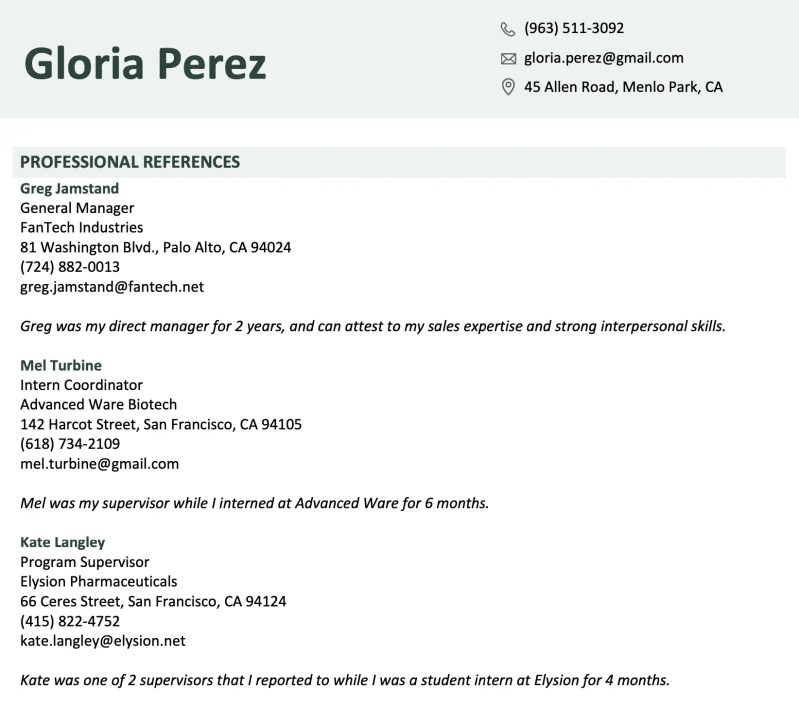
This minimalist approach serves multiple purposes. It signals professionalism without clutter, reassures the employer that you have a network, and avoids the risk of outdated or irrelevant references. If you choose to list specific names, ensure they are highly relevant—preferably former supervisors or colleagues who can speak to your skills in a way that aligns with the job. The formatting should be clean: full names, job titles, companies, and contact information (email or phone) in a simple, aligned column. Avoid listing more than three unless the role demands it (e.g., academic or research positions). The rule of thumb? Less is more. The goal is to imply credibility, not to overwhelm.
Key Benefits and Crucial Impact
The decision to thoughtfully address how to list references on resume isn’t just about ticking a box—it’s about leveraging social proof in a way that aligns with modern hiring practices. References act as a bridge between your self-promotion and external validation. When done right, they can reinforce your narrative, providing third-party confirmation of your skills, work ethic, and cultural fit. This is particularly valuable in roles where soft skills (e.g., leadership, collaboration) are as important as technical abilities. Moreover, a well-structured reference section can differentiate you from candidates who neglect this step entirely.
Yet, the impact extends beyond the hiring process. In industries with tight-knit professional networks (e.g., consulting, law, or creative fields), references can open doors before you even apply. A glowing endorsement from a respected figure in your field can precede your application, making your candidacy more memorable. Conversely, poor reference handling—such as listing irrelevant contacts or failing to secure permission—can raise suspicions about your attention to detail. The stakes are high, but the payoff is clear: a strategic reference list can be a silent advocate for your career.
“References are the modern equivalent of a handshake—subtle, but powerful. They don’t guarantee a job, but they can remove doubt.”
— Dr. Elena Vasquez, Senior HR Consultant, Talent Dynamics Group
Major Advantages
- Instant Credibility Boost: A well-placed reference line signals that you have a professional network willing to vouch for you, which can offset skepticism about your self-reported skills.
- Tailored Endorsements: Strategic references (e.g., a supervisor who can speak to your project management skills) provide targeted validation for the role you’re applying to.
- Network Visibility: In fields where reputation matters, listing key references can subtly signal your standing within the industry.
- Reduced Hiring Friction: Employers are more likely to proceed with candidates who have pre-vetted references, as it simplifies their due diligence.
- Ethical Transparency: Explicitly stating that references are available (without listing them) demonstrates honesty and professionalism.
Comparative Analysis
| Traditional Approach | Modern Approach |
|---|---|
| Full page of references (names, titles, contact info) included on resume. | Single line: “References available upon request” or minimal, highly relevant names. |
| Assumed to be a standard requirement; often included by default. | Optional but strategic; used to signal credibility without clutter. |
| Risk of outdated or irrelevant references. | Only includes pre-approved, relevant contacts. |
| Common in older industries (e.g., academia, government). | Preferred in dynamic fields (tech, marketing, corporate). |
Future Trends and Innovations
The future of references on resumes is being reshaped by technology and shifting workplace norms. As AI-driven hiring tools become more sophisticated, the role of human validation—what references provide—may grow in importance. Employers are increasingly relying on behavioral signals (e.g., teamwork, adaptability) that are harder to quantify in a resume. This trend could lead to a resurgence of reference checks, but in a more selective manner. Candidates may need to prepare not just a resume, but a reference readiness plan, ensuring their network is primed for inquiries.
Additionally, the rise of remote work and global teams is changing how references are perceived. In distributed companies, cultural fit and remote collaboration skills are critical, making references from past remote colleagues more valuable. Platforms like LinkedIn Recommendations or even video reference testimonials (a growing trend) may replace traditional text-based endorsements. For job seekers, this means staying ahead by cultivating a digital reference portfolio—a curated collection of endorsements that can be shared instantly. The key takeaway? The reference section of the future will be dynamic, blending technology with human connection.

Conclusion
The question of how to list references on resume is less about following rigid rules and more about making a calculated choice. In an era where resumes are often scanned in seconds, the reference section must serve a purpose—either by reinforcing your qualifications or by signaling professionalism without distraction. The minimalist approach (“References available upon request”) is now the standard, but the underlying strategy remains the same: ensure your references are ready, relevant, and reliable. This isn’t just about filling a space; it’s about leveraging social proof in a way that aligns with how employers think.
As hiring practices continue to evolve, one thing is certain: references will never disappear entirely. They are the human element in an increasingly automated process. The candidates who succeed will be those who treat references not as an afterthought, but as a strategic asset. Whether you’re a recent graduate or a seasoned professional, taking the time to thoughtfully address this aspect of your resume can be the difference between a forgotten application and a memorable one. The goal isn’t perfection—it’s purpose.
Comprehensive FAQs
Q: Should I list references on my resume at all?
A: No—unless the job posting explicitly requests them. The modern standard is to include a line like “References available upon request” at the bottom of your resume. This signals professionalism without cluttering your application. Listing full references can make your resume look outdated or overly long.
Q: What if an employer asks for references before I’ve applied?
A: Politely respond that you’re happy to provide references once an offer stage is reached. This protects you from prematurely sharing contacts who may not be prepared or relevant. Always ask for permission before listing someone as a reference, and ensure they’re aware of the context.
Q: How do I choose the best references?
A: Prioritize individuals who can speak to your skills relevant to the job—ideally former supervisors, managers, or colleagues who’ve worked closely with you. Avoid personal references (e.g., friends or family) unless the role is highly relational (e.g., sales, customer service). Ensure your references are willing and prepared to provide a strong endorsement.
Q: Can I list references on my LinkedIn profile instead?
A: Yes, but strategically. LinkedIn Recommendations are visible to recruiters, but they’re not a substitute for a resume reference line. Use LinkedIn to supplement your references—share a few strong recommendations, but keep your resume’s reference section minimal. This balances digital visibility with professional discretion.
Q: What if I don’t have professional references?
A: Build them. Start by asking for feedback or informal endorsements from colleagues, professors, or mentors. Even in entry-level roles, you can list academic advisors, internship supervisors, or volunteer coordinators. If you’re truly starting from scratch, consider networking events or professional organizations where you can cultivate relationships with potential references.
Leave a Comment
Comments are moderated before appearing. The data you submit is processed according to the Privacy Policy of Bevvy.