How to Access Property Records: The Definitive Playbook for Owners, Buyers, and Researchers
Property records are the backbone of real estate transactions, legal disputes, and urban planning—yet navigating them remains an obstacle for most. Whether you’re verifying ownership, tracking inheritance, or investigating zoning violations, the ability to access these documents efficiently separates informed decisions from costly mistakes. The process varies wildly by jurisdiction, from digitized county portals to archaic paper trails, and understanding the right pathways can save months of frustration.
For investors, the stakes are higher: a single overlooked lien or encumbrance can derail a multimillion-dollar deal. Homebuyers, meanwhile, often stumble upon discrepancies in title histories that resale contracts conveniently omit. Even researchers—genealogists, historians, or journalists—rely on these records to reconstruct family legacies or expose municipal corruption. The problem? Most guides either oversimplify the process or bury critical details in legal jargon.
This is the missing manual for accessing property records—no fluff, no assumptions. We’ll dissect the tools, tactics, and hidden loopholes that professionals use, from federal databases to third-party services that charge exorbitant fees for information already public. By the end, you’ll know exactly where to look, what to ask for, and how to interpret what you find—without relying on intermediaries.

The Complete Overview of Accessing Property Records
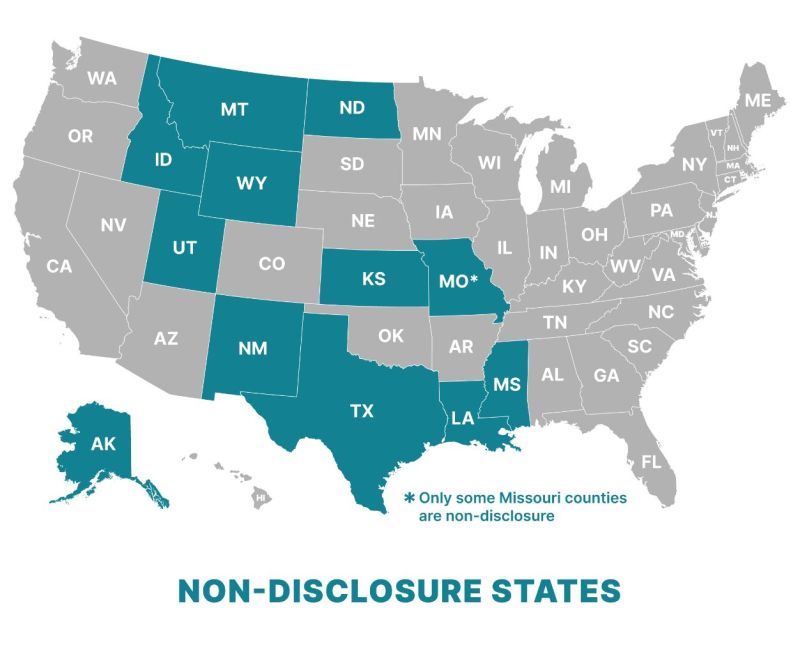
At its core, accessing property records is about leveraging three pillars: public accessibility laws, digital infrastructure, and strategic persistence. The U.S. operates under a patchwork of state and local regulations, but the foundational principle remains the same—property ownership and transaction histories are matters of public record, enshrined in laws like the Freedom of Information Act (FOIA) and state equivalents. However, the execution varies dramatically. In Texas, for instance, you can pull a deed from a county clerk’s website in minutes; in New York, you might need to visit the courthouse in person and navigate a labyrinth of microfiche archives.
The digital revolution has transformed record-keeping, but not uniformly. While 80% of counties now offer online portals, many still require physical requests or pay-per-page fees. The key is recognizing when to use automated tools (for quick searches) versus when to engage directly with county officials (for complex queries). This guide cuts through the noise by outlining the most direct routes—whether you’re dealing with a straightforward property lookup or a deep-dive investigation into chain-of-title discrepancies.
Historical Background and Evolution
The origins of property record-keeping trace back to medieval Europe, where land deeds were inscribed on wax tablets or parchment to prevent fraud. By the 17th century, colonial America adopted similar systems, with counties maintaining ledgers of grants, mortgages, and surveys. The modern era began in the 19th century with the Torrance Act (1822), which standardized land surveys nationwide, and the Homestead Act (1862), which created a centralized (if chaotic) system for tracking public land transfers.
Table of Contents
- The Complete Overview of Accessing Property Records
- Historical Background and Evolution
- Core Mechanisms: How It Works
- Key Benefits and Crucial Impact
- Major Advantages
- Comparative Analysis
- Future Trends and Innovations
- Conclusion
- Comprehensive FAQs
- Q: How do I find property records for a specific address?
- Q: Are property records truly public? What if I’m denied access?
- Q: How much does a professional title search cost?
- Q: Can I access property records for a property in another state?
- Q: What’s the best way to verify a property’s chain of title?
- Q: Are there free alternatives to paid title services?
- Q: How do I handle missing or incomplete records?
- Q: Can I use property records to challenge a tax assessment?
- Q: What’s the fastest way to get records for a foreclosure property?
- Q: How far back can I trace property ownership?
- Q: What should I do if I find an error in property records?
Fast-forward to today, and the evolution has been uneven. The National Information Exchange Model (NIEM), adopted in 2005, aimed to standardize property data across states, but adoption remains spotty. Meanwhile, private companies like CoreLogic and Black Knight have built proprietary databases by scraping public records—then monetizing access. This dual system (public vs. private) creates both opportunities and pitfalls. For example, while a county assessor’s office might offer free basic searches, a title company could charge $50 for the same deed history, complete with color-coded annotations.
Core Mechanisms: How It Works
The mechanics of accessing property records hinge on two systems: jurisdictional databases and chain-of-title tracking. Jurisdictional databases (county assessor, recorder, or clerk offices) store the raw documents—deeds, mortgages, liens, and tax rolls—while chain-of-title tools (like OldRepublicTitle.com or LandRecords.com) stitch these together into a chronological narrative. The former is free (or low-cost); the latter often comes with a premium.
Here’s how it works in practice: To verify ownership of a property in Miami-Dade County, you’d start with the Property Appraiser’s Office for tax records, then cross-reference with the Clerk of Courts for deed history. If the property has a mortgage, the Superior Court of Records holds the lien documents. For a title search, you’d compile all these into a single report, flagging any gaps (e.g., a missing deed transfer). The critical insight? Most people stop at one source—missing red flags entirely.
Key Benefits and Crucial Impact
Accessing property records isn’t just about curiosity; it’s a strategic advantage. For buyers, it’s the difference between closing a deal smoothly and encountering a title defect that scuttles the sale. For sellers, it’s about preemptively resolving encumbrances before they become liabilities. Even renters can benefit by checking for unpermitted renovations or outstanding HOA violations. The impact extends beyond transactions: journalists have exposed fraudulent land grabs, historians have traced slave ownership back to modern-day heirs, and activists have challenged discriminatory zoning practices—all by mastering the art of record access.
Yet the benefits are often overshadowed by the friction of the process itself. Delays, missing documents, or bureaucratic roadblocks can turn a simple search into a weeks-long ordeal. The solution? A systematic approach that prioritizes the most reliable sources first, minimizes back-and-forth with officials, and leverages technology where possible. This isn’t just about finding records—it’s about doing so with precision and speed.
"Property records are the DNA of real estate—ignoring them is like building a house without a foundation."
— David Reiss, Professor of Real Estate Law, Brooklyn Law School
Major Advantages
- Due Diligence Protection: Identify liens, easements, or ownership disputes before signing contracts. A 2023 study by the American Land Title Association found that 1 in 4 title searches uncovers at least one hidden issue.
- Investment Validation: Confirm rental income potential by cross-referencing tax assessments with market rents. For example, a property listed at $300K might have a taxable value of $250K—revealing a 15% undervaluation.
- Legal Defense: Gather evidence for boundary disputes or inheritance claims. Court cases often hinge on the ability to produce a clear chain of title.
- Historical Research: Trace property ownership back centuries, uncovering ties to figures like Frederick Douglass (who owned land in Washington, D.C.) or revealing redlining patterns in urban neighborhoods.
- Cost Savings: Avoid title insurance premiums (often 0.5–1% of purchase price) by self-verifying records. A $500 title search can save thousands in unexpected claims.
Comparative Analysis
| Method | Pros |
|---|---|
| County Assessor/Web Portals | Free or low-cost; direct access to tax and ownership data. Ideal for basic searches. |
| Title Companies (e.g., First American, Fidelity) | Comprehensive reports with ALTA/ACTA endorsements; insured accuracy. Best for high-stakes transactions. |
| Third-Party Aggregators (e.g., LandRecords, PropertyShark) | User-friendly interfaces; cross-jurisdictional searches. Convenient but may lack depth. |
| In-Person Courthouse Requests | Access to original documents (e.g., handwritten deeds); no digital limitations. Time-consuming and location-dependent. |
Future Trends and Innovations
The next decade will see property records become more transparent—and more contested. Blockchain-based land registries (piloted in Georgia and Sweden) promise to eliminate fraud by creating immutable ledgers, but adoption faces resistance from counties wary of cybersecurity risks. Meanwhile, AI tools like PropertyRadar’s predictive analytics are helping investors spot undervalued properties by analyzing tax delinquency patterns. The biggest disruption, however, may come from open-data mandates, where states like California now require counties to publish records in machine-readable formats.
Privacy concerns will also reshape access. As data brokers like Zillow face lawsuits for scraping public records, jurisdictions may tighten restrictions on who can access certain documents (e.g., foreclosure filings). The trade-off? While some records may become harder to obtain, innovations like biometric verification for in-person requests could streamline legitimate queries. The bottom line: Stay ahead by monitoring local legislative changes and adopting tools that balance speed with compliance.

Conclusion
Accessing property records is less about luck and more about knowing the system’s blind spots. The tools exist—county databases, title services, and archival repositories—but their effectiveness hinges on how you deploy them. Skip the assessor’s office and go straight to the recorder’s office? You might miss a critical lien. Rely on a third-party aggregator without verifying sources? You risk outdated or mislabeled data. The difference between a seamless search and a dead end often comes down to these small, intentional choices.
Start with the most direct route: county portals for basic info, title companies for transactions, and courthouse visits for original documents. When in doubt, ask for guidance from the county recorder’s office—they’re legally obligated to assist. And always cross-reference: a property’s tax assessment might conflict with its sale price, or a deed could list a different owner than the tax roll. The goal isn’t just to find records but to assemble a puzzle where every piece matters. Do it right, and you’ll have the edge—whether you’re closing a deal, solving a mystery, or holding power to account.
Comprehensive FAQs
Q: How do I find property records for a specific address?
A: Begin with your county’s assessor or recorder website (e.g., LosAngelesCountyRecorder.com). Enter the address or parcel number in the search tool. If the portal is outdated, contact the county clerk directly—provide the address, owner name, and purpose (e.g., "title search"). For rural areas, you may need to visit the courthouse in person.
Q: Are property records truly public? What if I’m denied access?
A: Yes, under the FOIA and state equivalents, but exemptions exist for active investigations or privacy-sensitive data (e.g., minor heirships). If denied, request a written explanation and appeal to the county’s FOIA officer. Persistence pays: 90% of denials are reversed upon formal review.
Q: How much does a professional title search cost?
A: Basic searches run $100–$300; premium reports (with ALTA endorsements) cost $500–$1,500+. Some lenders cover this fee, but always negotiate upfront. For DIY searches, limit costs to $20–$50 for certified copies from the county.
Q: Can I access property records for a property in another state?
A: Yes, but it requires cross-jurisdictional coordination. Start with the National Association of County Recorders, Clerks, and Election Officials (NACRCO) directory to find the correct office. For example, searching a Florida property from New York would involve contacting the Hillsborough County Clerk (if in Tampa) and requesting records via mail or their online portal.
Q: What’s the best way to verify a property’s chain of title?
A: Compile documents in this order: 1) Current deed (from county recorder), 2) Grantor/grantee indexes (to trace transfers back 50+ years), 3) Tax rolls (to confirm ownership consistency), and 4) Title insurance reports (if available). Use tools like Ancestry.com’s property records or FamilySearch.org for historical gaps.
Q: Are there free alternatives to paid title services?
A: Yes, but with trade-offs. Free options include county assessor portals (e.g., CookCountyCLERK.com), PropertyShark.com (limited free searches), and USPTO’s PACER system (for federal land patents). For deep dives, consult local law libraries or university archives, which often provide free access to microfilm records.
Q: How do I handle missing or incomplete records?
A: Missing deeds? Check the Probate Court for inheritance transfers or the Veterans Land Office for military-related grants. Incomplete tax rolls? Contact the county auditor for unrecorded exemptions (e.g., homestead protections). If documents are lost, file a Request for Lost Records with the county clerk—some states require affidavits from heirs.
Q: Can I use property records to challenge a tax assessment?
A: Absolutely. Compare the assessor’s valuation to recent sales (via Zillow’s "Sold" filter), replacement costs (from Marshall & Swift reports), and income potential (for rentals). Submit a Protest Form with your evidence to the county board of equalization. Success rates vary by state but average 30–50% for well-documented cases.
Q: What’s the fastest way to get records for a foreclosure property?
A: Foreclosure filings are public but often buried in court records. Use RealtyTrac (now ATTOM) for automated alerts, then verify with the county’s Superior Court or District Court clerk. For REO (bank-owned) properties, check the lender’s website (e.g., FannieMae.com) for auction schedules.
Q: How far back can I trace property ownership?
A: It depends on the county’s record-keeping. Urban areas often have data dating to the 1800s, while rural counties may start in the 1950s. For pre-1900 records, consult the National Archives or state land offices. Digital tools like Google Earth’s "Historical Imagery" can help pinpoint boundary changes over time.
Q: What should I do if I find an error in property records?
A: Document the discrepancy (e.g., mismatched owner names, incorrect acreage) and submit a correction request to the county recorder. Include supporting evidence (e.g., a corrected deed from the seller). For persistent errors, escalate to the county’s Board of Supervisors or file a complaint with the State Attorney General’s Office.
Leave a Comment
Comments are moderated before appearing. The data you submit is processed according to the Privacy Policy of Bevvy.