The Art of Calculating Tips: A Precision Guide to How to Calculate Tip
Tipping isn’t just a transaction—it’s a silent language. A well-calculated gratuity can signal appreciation, while an ill-timed one risks awkwardness or resentment. Yet, despite its ubiquity, how to calculate tip remains a source of confusion for many. Should it be 15%, 20%, or more? Does the bill’s complexity warrant extra? And what if the service was lackluster? The answers lie in a mix of mathematical precision and cultural context, where a simple percentage can become a negotiation of value.
The problem deepens when you factor in regional norms. In some cities, a 15% tip is standard; in others, it’s an insult. Diners in New York might default to 20%, while travelers in Tokyo might leave nothing at all—only to later realize they’ve broken an unspoken rule. The stakes aren’t just monetary; they’re social. A miscalculated tip can leave a server deflated or a bartender bewildered, turning a pleasant meal into an aftertaste of discomfort.
Then there’s the math. Splitting bills among friends, accounting for taxes, or deciding whether to tip before or after discounts adds layers of complexity. Even seasoned travelers stumble when faced with a $200 check: Is 15% too little? 25% too much? The answer isn’t one-size-fits-all. It’s a dynamic equation where the variables include service quality, local customs, and personal discretion. This guide cuts through the noise to provide a structured, no-nonsense approach to how to calculate tip—so you can tip with confidence, whether you’re dining in a Michelin-starred restaurant or grabbing takeout.
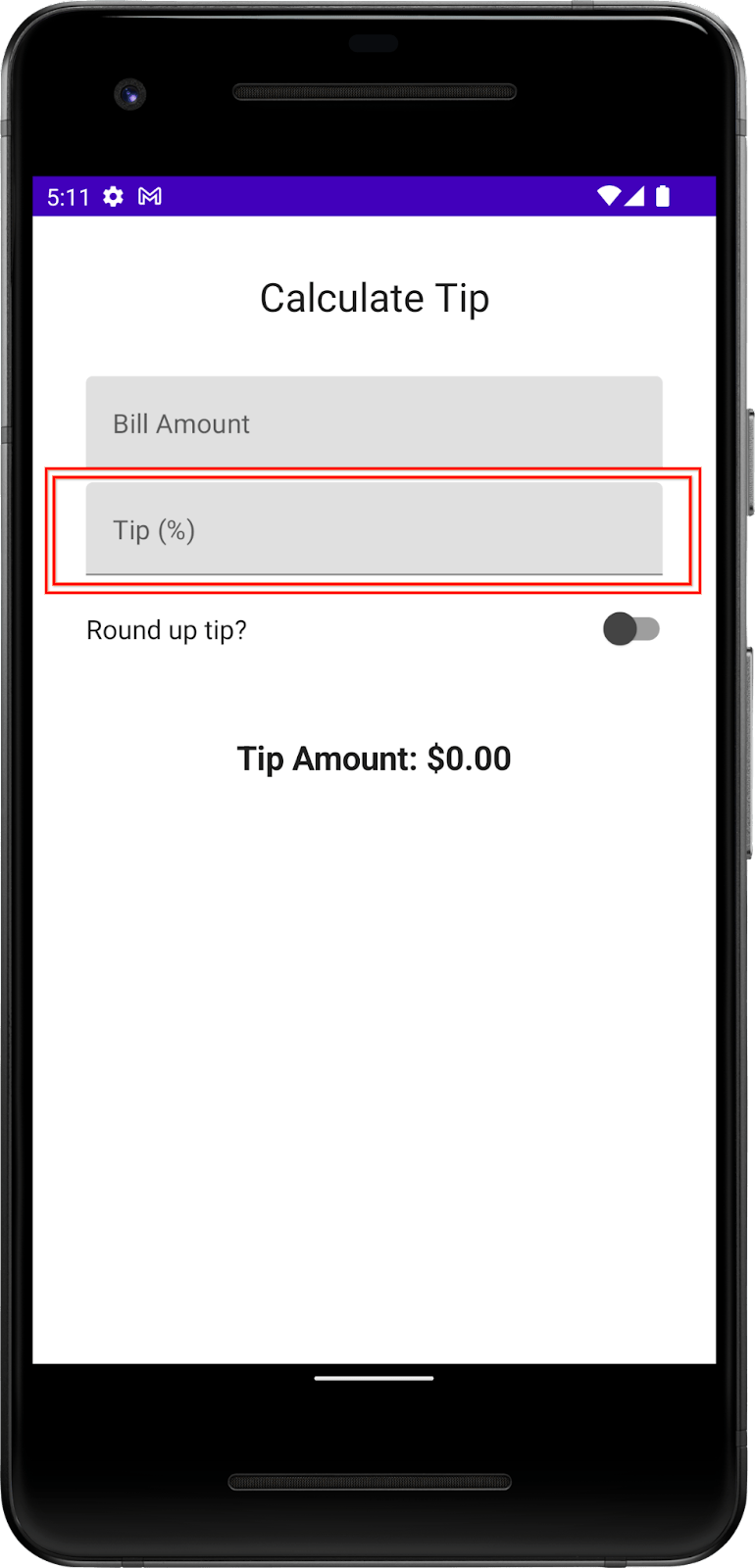
The Complete Overview of How to Calculate Tip
At its core, tipping is a voluntary financial acknowledgment of service, but its execution varies wildly. The most common method—percentage-based tipping—dominates in the U.S., Canada, and parts of Europe, where diners typically calculate a tip as a fixed percentage of the pre-tax bill (though post-tax calculations are also common). However, this approach masks deeper questions: Should the tip be based on the total bill, the food cost alone, or the service’s perceived value? And how do you adjust for large groups, where splitting a 20% tip among six people might feel disproportionate?
The ambiguity persists because tipping isn’t purely rational; it’s emotional. A server who remembers your dietary restrictions might warrant a higher gratuity than one who simply refills your water. Meanwhile, in countries like Japan, where tipping is discouraged, leaving money can be seen as an insult. The key to navigating this landscape is understanding the how to calculate tip framework while remaining adaptable to context. Whether you’re a frequent diner or an occasional traveler, the principles remain: clarity, fairness, and cultural awareness.
Historical Background and Evolution
The practice of tipping traces back to ancient Rome, where patrons rewarded gladiators, charioteers, and even public officials with small sums of money. By the Middle Ages, tipping had seeped into European hospitality, with travelers leaving coins for innkeepers and stable hands. However, it wasn’t until the 17th century that tipping became institutionalized in the U.S., particularly in the service industry. The term "tip" itself may derive from the practice of placing money in a server’s hat or "tip jar," though etymologists debate its exact origins.
Table of Contents
- The Complete Overview of How to Calculate Tip
- Historical Background and Evolution
- Core Mechanisms: How It Works
- Key Benefits and Crucial Impact
- Major Advantages
- Comparative Analysis
- Future Trends and Innovations
- Conclusion
- Comprehensive FAQs
- Q: Should I tip before or after tax?
- Q: What’s the best way to split tips among a large group?
- Q: Is it rude to tip less than 15%?
- Q: Do I need to tip for takeout or delivery?
- Q: What if the bill includes a "service charge"?
- Q: How do I calculate a tip when splitting the bill?
- Q: Is it appropriate to tip in cash or card?
- Q: What’s the etiquette for tipping in group settings?
- Q: Do I tip for bad service?
- Q: How do I calculate a tip when the bill is in a foreign currency?
By the 20th century, tipping in America evolved into a quasi-mandatory expectation, especially in restaurants. The rise of the middle class and the proliferation of dining out created a culture where service charges were often built into the bill, but tips remained a personal gesture. The Great Depression temporarily suppressed tipping, but post-WWII economic growth revived it, leading to the modern system where servers in the U.S. rely heavily on tips—sometimes constituting 60-70% of their income. This history explains why how to calculate tip is often tied to economic necessity rather than pure gratitude.
Core Mechanisms: How It Works
The mechanics of tipping are deceptively simple: multiply the bill by a percentage (e.g., 15%, 20%, 25%) to determine the gratuity. However, the devil lies in the details. For instance, in the U.S., many restaurants now include a "service charge" on the bill, which can be misleading. A true tip is voluntary, whereas a service charge may be pre-negotiated by the establishment. Always check whether the bill already accounts for gratuity before calculating.
Another critical factor is whether to tip on the pre-tax or post-tax total. In some states, tipping before tax is standard; in others, it’s post-tax. A general rule of thumb is to tip on the pre-tax amount unless the establishment specifies otherwise. For large groups, consider rounding up the total tip to ensure each person’s share remains fair. For example, a $300 bill with 20% tip ($60) might feel lighter when split six ways ($10 per person), but rounding to $65 ensures the server isn’t shortchanged. These nuances are why how to calculate tip requires more than a quick mental math trick.
Key Benefits and Crucial Impact
Tipping isn’t just about rewarding good service—it’s a cornerstone of the service economy. For workers in restaurants, bartending, and hospitality, tips often supplement low base wages, making gratuity a lifeline. A well-calculated tip can boost morale, encourage repeat business, and even influence hiring decisions, as servers may prioritize patrons who tip generously. Conversely, stingy tipping can lead to apathy or even hostility, turning a positive dining experience into a negative one.
Beyond the immediate impact on service workers, tipping also reflects broader societal values. In cultures where tipping is expected, it reinforces a hierarchy where service providers are financially dependent on their clients’ generosity. This dynamic has led to debates about the ethics of tipping, particularly in industries where workers’ livelihoods hinge on unpredictable gratuities. Understanding these implications is essential when deciding how to calculate tip—because the amount you leave isn’t just a number; it’s a statement.
"A tip is not just money; it’s a handshake between the giver and the receiver, a silent conversation about value." — James A. Autry, Hospitality Consultant
Major Advantages
- Fair Compensation: In many service industries, tips make up a significant portion of workers’ earnings, ensuring they’re paid fairly for their labor.
- Improved Service Quality: Generous tipping often correlates with better attention, faster service, and a more pleasant experience.
- Cultural Alignment: Following local tipping norms avoids awkwardness and shows respect for regional customs.
- Financial Flexibility for Workers: Tips allow service employees to supplement irregular incomes, especially in gig-based or commission-driven roles.
- Positive Reinforcement: A well-timed tip can encourage servers to go the extra mile, enhancing your overall dining experience.

Comparative Analysis
| Aspect | U.S. Tipping Culture | European Tipping Culture |
|---|---|---|
| Standard Percentage | 15-25% (varies by service quality) | 5-10% (often included in bill as "service charge") |
| When to Tip | Pre- or post-tax (check local norms) | Usually post-tax, often rounded or left on table |
| Group Splitting | Calculate tip on total, then divide among diners | Tip per person or round up the total |
| Cultural Sensitivity | Tipping expected; seen as rude to not tip | Tipping appreciated but not always expected; some see it as insulting |
Future Trends and Innovations
The future of tipping is being reshaped by technology and shifting attitudes. Digital tipping via apps (like Venmo or Square) is becoming more common, allowing diners to leave gratuities without physical cash. Meanwhile, some restaurants are experimenting with "no-tipping" models, where higher wages replace gratuity expectations. This trend reflects a broader movement toward fair labor practices, though it remains controversial in tip-dependent industries.
Another innovation is the rise of "tip pooling," where a portion of tips is shared among kitchen staff, not just servers. While this can improve team morale, it also means diners may need to adjust their calculations to account for broader distribution. As automation and AI take over more service roles, the very concept of tipping may evolve—perhaps shifting from human interaction to algorithmic rewards. For now, though, the traditional how to calculate tip method remains relevant, even as its context changes.

Conclusion
Calculating a tip isn’t just arithmetic—it’s a blend of math, psychology, and cultural awareness. Whether you’re a seasoned traveler or a first-time diner, the principles remain: know the local norms, assess the service quality, and decide what feels fair. The goal isn’t perfection but mindfulness; a tip should reflect your experience without causing undue stress for the server or yourself.
As tipping practices continue to evolve, staying informed ensures you navigate this financial etiquette with grace. The next time you’re handed a bill, pause before reaching for your wallet. Consider the service, the context, and the unspoken rules of the place. Because in the end, how to calculate tip isn’t just about the numbers—it’s about the respect you show to those who make your experience possible.
Comprehensive FAQs
Q: Should I tip before or after tax?
A: It depends on local customs. In the U.S., tipping before tax is standard in many states, but some regions expect post-tax tips. Always check the bill or ask the server if unsure. For example, in New York, tipping before tax is common, while in California, post-tax tipping is more typical.
Q: What’s the best way to split tips among a large group?
A: Calculate the total tip on the full bill, then divide it equally among diners. For instance, a $400 bill with a 20% tip ($80) split among eight people means each pays $10. Rounding up slightly (e.g., $11) ensures the server isn’t shortchanged due to rounding errors.
Q: Is it rude to tip less than 15%?
A: In the U.S., tipping less than 15% can be seen as stingy, especially if service was adequate. However, if the service was poor, leaving 10% or less is acceptable—though it’s polite to communicate feedback directly to the manager. In other countries, even small tips may be appreciated, so context matters.
Q: Do I need to tip for takeout or delivery?
A: In the U.S., tipping for takeout isn’t mandatory, but 10-15% is common if the order was large or complex. For delivery, 10-20% is standard, especially if the driver waited or faced traffic. In Europe, tipping for takeout is rare unless you’re dining in.
Q: What if the bill includes a "service charge"?
A: A service charge is often pre-negotiated by the restaurant and may not be a true tip. Check the fine print—if it’s labeled as a "gratuity" or "service fee," it might already cover tipping. If unsure, ask the server whether additional tips are expected.
Q: How do I calculate a tip when splitting the bill?
A: First, determine the total tip percentage (e.g., 20%). Multiply the total bill by that percentage to get the gratuity. Then, divide the tip by the number of people. For example, a $350 bill with 18% tip ($63) split among six people means each pays $10.50.
Q: Is it appropriate to tip in cash or card?
A: Both are acceptable, but some servers prefer cash for immediate use. If paying by card, ensure the tip is clearly added to the transaction. In digital payments (e.g., Venmo), specify the tip amount to avoid confusion.
Q: What’s the etiquette for tipping in group settings?
A: Agree on a tip percentage as a group before ordering. If someone insists on a lower tip, consider covering the difference yourself to avoid awkwardness. Alternatively, tip collectively and split the cost fairly among diners.
Q: Do I tip for bad service?
A: It’s not mandatory, but tipping 10% or less is acceptable if service was poor. For truly awful experiences, it’s better to leave little or nothing and address the issue with the manager. Some diners also leave a note explaining their decision.
Q: How do I calculate a tip when the bill is in a foreign currency?
A: Convert the total bill to your home currency first, then apply your standard tip percentage. For example, if a €100 bill is ~$110 USD, a 15% tip would be ~$16.50. Alternatively, ask the server for the local tipping norm to avoid over- or under-tipping.
Leave a Comment
Comments are moderated before appearing. The data you submit is processed according to the Privacy Policy of Bevvy.