How to Maximize Your Savings While Staying Healthy: The Smart Balance
The connection between financial stability and physical health is often overlooked, yet it’s the foundation of long-term well-being. Too many people treat savings and health as separate battles—one fought with spreadsheets, the other with gym memberships—without realizing they’re two sides of the same coin. The truth? Maximizing your savings while staying healthy isn’t just about cutting expenses or forcing yourself into a punishing routine; it’s about creating a system where fiscal responsibility and self-care reinforce each other.
Consider this: A person who skips meals to save $5 a day may lose productivity, leading to missed opportunities or higher medical costs down the line. Conversely, someone who splurges on organic groceries without tracking spending could end up with a bloated budget and nutritional gaps. The sweet spot lies in intentionality—aligning your financial habits with habits that sustain your body and mind. It’s not about deprivation or excess; it’s about leverage.
What if you could design a lifestyle where every dollar saved also strengthens your immune system, reduces stress, and increases energy? The answer lies in redefining "sacrifice." Instead of viewing health as a cost center (insurance premiums, gym fees) or savings as a rigid constraint (budget cuts, delayed gratification), you can reframe them as interconnected investments. The right approach turns frugality into fuel for vitality—and vice versa.

The Complete Overview of Maximizing Your Savings While Staying Healthy
The core principle of maximizing your savings while staying healthy revolves around three pillars: financial optimization, nutritional efficiency, and stress reduction. Financial optimization isn’t about extreme measures like living on rice and beans; it’s about eliminating waste—whether that’s subscription fatigue, impulse purchases, or hidden fees. Nutritional efficiency means prioritizing whole foods that provide lasting energy over processed convenience, which may save time but drain your wallet and health. Stress reduction, often the silent killer of both savings and well-being, requires intentional habits like sleep hygiene, mindfulness, and boundaries around work.
This approach isn’t a one-size-fits-all formula. A freelancer with irregular income will need different strategies than a salaried professional with predictable paychecks. Similarly, someone with a chronic condition may require different nutritional or financial adjustments than a young adult building savings from scratch. The key is customization: identifying your unique stressors (financial or physical) and addressing them with targeted solutions. The goal isn’t perfection—it’s progress.
Historical Background and Evolution
The idea of linking savings to health isn’t new. Ancient civilizations understood the relationship between prosperity and longevity. The Greeks, for instance, valued kalokagathia—the balance of physical beauty and moral excellence—as a path to both wealth and well-being. In contrast, medieval Europe saw asceticism (voluntary poverty) as a spiritual pursuit, though it often came at the expense of health. The Industrial Revolution shifted the dynamic, as urbanization led to poor sanitation and labor conditions, proving that financial progress without health protections was unsustainable.
Table of Contents
- The Complete Overview of Maximizing Your Savings While Staying Healthy
- Historical Background and Evolution
- Core Mechanisms: How It Works
- Key Benefits and Crucial Impact
- Major Advantages
- Comparative Analysis
- Future Trends and Innovations
- Conclusion
- Comprehensive FAQs
- Q: How do I start if I have no savings and poor health?
- Q: Can I really save money by eating healthier?
- Q: What’s the best way to reduce financial stress without cutting all expenses?
- Q: How do I balance saving for retirement with current health needs?
- Q: What if I don’t have time for meal prep or gym workouts?
- Q: How do I stay motivated when progress feels slow?
Modern personal finance gurus like Dave Ramsey and Warren Buffett emphasize frugality, but their advice often overlooks the physiological toll of chronic stress or poor nutrition. Meanwhile, wellness movements like Blue Zones research (studying longevity hotspots) highlight that the longest-lived populations share traits like community, movement, and mindful eating—all of which have financial implications. Today, the conversation has evolved into financial wellness, a field that recognizes health as both a cost and an asset. The shift from "save at all costs" to "save smartly while thriving" marks a turning point in how we approach money and health.
Core Mechanisms: How It Works
The mechanics of maximizing your savings while staying healthy hinge on two interconnected systems: automation and intentionality. Automation removes decision fatigue—whether it’s setting up automatic transfers to savings accounts or meal-prepping on Sundays to avoid takeout spending. Intentionality, however, is where the magic happens. It’s the difference between passively saving and actively designing a life where every choice—from grocery shopping to leisure activities—serves both your bank account and your body.
For example, someone focused on savings might cancel a gym membership to save $50/month, only to order more delivery food "to save time," which could cost $300/month. Instead, they could invest in a home workout setup (a one-time $200 cost) and cook in bulk, turning potential expenses into long-term savings. The mechanism isn’t about cutting; it’s about redirecting. Every dollar saved should either reduce future costs (e.g., preventive healthcare) or increase future earnings (e.g., skills that boost income). Similarly, every health habit should align with financial goals—like walking to work to save on gas while improving cardiovascular health.
Key Benefits and Crucial Impact
The synergy between savings and health isn’t just theoretical—it’s measurable. Studies show that people with strong financial habits (like budgeting) report lower stress levels, which in turn improves sleep, immunity, and even weight management. Conversely, financial anxiety is linked to higher cortisol levels, which can lead to inflammation, weight gain, and other health issues. The ripple effects are profound: A person who prioritizes both may see reduced healthcare costs, higher productivity, and greater life satisfaction.
Beyond the personal, the societal impact is significant. Countries with robust public health systems (like those in Scandinavia) also tend to have lower financial stress among citizens. The lesson? When you design a life where savings and health reinforce each other, you’re not just securing your future—you’re building resilience against life’s inevitable challenges. The benefits compound over time, from emergency funds that prevent medical debt to energy levels that allow you to pursue higher-earning opportunities.
"Wealth without health is poverty." — Ancient Greek Proverb
This timeless wisdom underscores that financial abundance loses its value if it comes at the cost of vitality. The modern challenge is to redefine abundance to include both dollars in the bank and years of good health.
Major Advantages
- Reduced Financial Stress: Automating savings and aligning spending with health goals eliminates the mental load of constant budgeting, lowering cortisol and improving mental clarity.
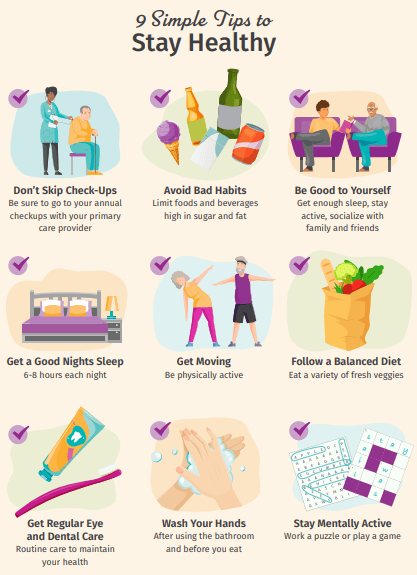
- Lower Long-Term Healthcare Costs: Investing in preventive care (e.g., annual check-ups, nutrition) reduces the risk of chronic illnesses that drain savings through medical bills.
- Increased Productivity: Better nutrition, sleep, and stress management directly translate to higher focus and output, which can boost earning potential.
- Flexibility in Emergencies: A robust savings plan funded by healthy habits (e.g., avoiding debt from medical emergencies) provides a safety net for unexpected expenses.
- Sustainable Lifestyle: Unlike crash diets or extreme frugality, this approach creates habits that last, ensuring both financial and physical well-being without burnout.

Comparative Analysis
| Traditional Savings Approach | Maximizing Savings While Staying Healthy |
|---|---|
| Focuses solely on cutting expenses, often leading to deprivation. | Optimizes spending to eliminate waste while prioritizing health-investing choices. |
| May ignore health costs (e.g., skipping medical care to save). | Views healthcare as a preventive investment, reducing future financial strain. |
| Relies on willpower (e.g., "I’ll save more next month"). | Uses systems (automation, meal planning) to remove reliance on motivation. |
| Can lead to burnout or resentment, harming mental health. | Designs a sustainable rhythm where savings and well-being are mutually reinforcing. |
Future Trends and Innovations
The next decade will likely see a convergence of fintech and health tech, creating tools that make maximizing your savings while staying healthy effortless. Imagine apps that sync your bank account with your fitness tracker, automatically adjusting grocery deliveries based on your activity levels or medical needs. Insurtech is already exploring models where healthy behaviors (like regular exercise) lower premiums, incentivizing financial and physical discipline. Meanwhile, the rise of "financial wellness" as a workplace benefit signals a cultural shift—companies are recognizing that a healthy employee is a productive (and profitable) one.
Another trend is the growing popularity of "lifestyle design," where people intentionally structure their lives for both wealth and well-being. This might look like co-living spaces that include shared kitchens (to reduce food waste) and co-working areas (to cut overhead costs), or subscription services that bundle healthcare with financial planning. The future of this balance will likely hinge on personalization—AI-driven tools that analyze your spending, health data, and goals to suggest tailored strategies. The goal isn’t to force everyone into the same mold but to provide the frameworks for individuals to craft their own versions of prosperity and health.
Conclusion
Maximizing your savings while staying healthy isn’t about choosing between two competing priorities—it’s about recognizing that they’re part of the same ecosystem. The strategies that work aren’t about extreme measures but about smart, sustainable choices that honor both your wallet and your well-being. Whether it’s swapping a daily coffee shop habit for a home brew setup or investing in a standing desk to reduce back pain (and increase productivity), every small adjustment compounds over time.
The most powerful takeaway? This isn’t a temporary diet or a rigid budget—it’s a lifestyle. The people who succeed in this balance aren’t those who sacrifice one for the other but those who see the hidden connections. They realize that the money saved on fast food can fund a gym membership, that the time spent meal-prepping reduces stress, and that the energy gained from better sleep opens doors for career growth. The future belongs to those who design their lives with intention, where every dollar and every decision moves them closer to both prosperity and vitality.
Comprehensive FAQs
Q: How do I start if I have no savings and poor health?
A: Begin with the lowest-effort, highest-impact changes. For savings, open a high-yield savings account and set up a $20/month auto-transfer. For health, focus on one habit—like drinking more water or taking a 10-minute walk daily. Small wins build momentum. Avoid overwhelm by tackling one area at a time.
Q: Can I really save money by eating healthier?
A: Yes, but it requires strategy. Prioritize affordable staples like beans, lentils, seasonal produce, and bulk grains. Meal prep to avoid takeout, and use apps like Too Good To Go to buy discounted groceries. The key is planning—healthy eating doesn’t have to be expensive if you avoid convenience foods.
Q: What’s the best way to reduce financial stress without cutting all expenses?
A: Financial stress often stems from uncertainty. Start by tracking every expense for a month to identify leaks (e.g., unused subscriptions). Then, allocate a small "fun money" category to prevent resentment. For health-related stress, try the 5-4-3-2-1 rule: 5 deep breaths, 4 stretches, 3 minutes of gratitude, 2 minutes of movement, and 1 minute of mindfulness daily.
Q: How do I balance saving for retirement with current health needs?
A: Use the 80/20 rule: Allocate 80% of your savings to retirement (via 401(k) or IRA) and 20% to health-related goals (e.g., HSA contributions, preventive care). If you have chronic conditions, prioritize a Health Savings Account (HSA), which offers triple tax benefits and can be used for medical expenses.
Q: What if I don’t have time for meal prep or gym workouts?
A: Time efficiency is about trade-offs. Batch-cook on weekends, freeze meals, and opt for quick, nutrient-dense foods like pre-cut veggies or canned fish. For fitness, incorporate movement into daily routines: take calls while walking, use stairs, or do bodyweight exercises during TV commercials. Even 10 minutes of activity counts.
Q: How do I stay motivated when progress feels slow?
A: Motivation fades; systems endure. Set quarterly milestones (e.g., "Save $500" or "Walk 5 days a week") and celebrate small wins. Use visual tools like a savings tracker or a habit app to monitor progress. Remember, consistency beats perfection—focus on progress, not results.
Leave a Comment
Comments are moderated before appearing. The data you submit is processed according to the Privacy Policy of Bevvy.