How What Is a Record Label Shapes Music’s Past, Present, and Future
The music industry’s backbone isn’t just artists or songs—it’s the institutions that fund, distribute, and amplify them. A record label, in its purest form, is the bridge between creative vision and commercial viability. Without it, many careers would stall before they even begin. Yet the label’s role has evolved from a gatekeeper of vinyl presses to a digital-first enabler of global reach, often operating as both mentor and adversary to the artists it signs.
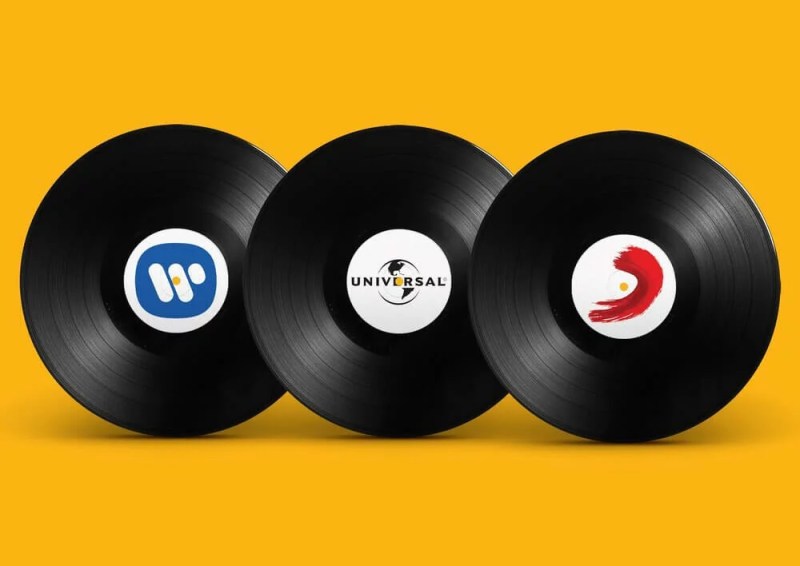
Labels don’t just sign checks; they shape careers. They decide which songs get radio play, which artists get tour support, and which projects get the green light for production. Some, like Sony Music or Universal, wield influence akin to corporate titans, while others, like Sub Pop or XL Recordings, operate as curatorial powerhouses with niche cultural clout. The question isn’t just what is a record label—it’s how its power has shifted from control to collaboration in an era where artists can bypass traditional structures entirely.
The rise of streaming changed everything. Labels once controlled distribution; now, platforms like Spotify and Apple Music handle that. Yet the label’s core function—monetizing art—remains. Today, the best labels act as partners, not just financiers, offering A&R expertise, marketing muscle, and data-driven insights. But the tension persists: Do labels still serve artists, or have they become another layer of middlemen in an already fragmented industry?

The Complete Overview of What Is a Record Label
A record label is the commercial entity behind the music you hear, whether it’s a major like Warner Records or an indie like Secretly Group. At its core, it’s a business that invests in artists—funding recordings, marketing campaigns, and distribution—while taking a cut of revenue in exchange. But the label’s role extends beyond finance; it’s also a curator, a trendsetter, and sometimes a creative collaborator. For artists, signing with a label can mean access to resources they couldn’t secure alone, but it also means surrendering some creative and financial control.Labels operate across three primary models: major labels (owned by conglomerates like Disney or WarnerMedia), independent labels (often artist-owned or privately funded), and distributors (companies that handle logistics without creative input). Majors dominate the charts but face criticism for homogenizing sound, while indies thrive on niche appeal and artistic freedom. The distinction matters—an artist signed to a major might get global promotion, but an indie label might offer deeper creative support. Understanding what is a record label today means grasping these dynamics: how power, risk, and reward are distributed in an industry where the rules are constantly rewriting themselves.
Historical Background and Evolution
The first record labels emerged in the late 19th century as phonograph companies like Columbia and Victor Records pressed wax cylinders and later vinyl. These early entities weren’t just distributors; they were the architects of music’s commercial potential. By the 1950s, labels like RCA and Capitol had become cultural forces, shaping genres from rock ‘n’ roll to jazz. The 1960s and ‘70s saw the rise of independent labels—Motown, Stax, and Island Records—proving that creativity could coexist with profitability outside major corporate structures.The 1980s and ‘90s marked the era of the "major label dominance," where companies like EMI, Warner Bros., and BMG controlled 80% of the market. Artists like Michael Jackson or Nirvana became global phenomena under their umbrellas, but the cost of entry skyrocketed: labels demanded full creative control, recouped advances from tours, and often left artists in debt. The backlash came in the 2000s, as digital piracy and file-sharing (Napster, LimeWire) eroded CD sales. Labels scrambled to adapt, leading to the rise of 360-degree deals—where artists signed away touring, merchandising, and even publishing rights—just to stay afloat.
Core Mechanisms: How It Works
Behind the scenes, a record label functions like a startup for artists. First, A&R (Artists & Repertoire) teams scout talent, often through live shows, social media, or referrals. Once an artist is signed, the label advances money for recording, mixing, and mastering, then recoups that investment from sales. Distribution is handled either in-house (for majors) or through third-party partners like DistroKid or CD Baby. Marketing spans radio plugging, digital ads, and influencer partnerships, while labels also manage sync licensing (placing music in films, TV, and ads).Table of Contents
- The Complete Overview of What Is a Record Label
- Historical Background and Evolution
- Core Mechanisms: How It Works
- Key Benefits and Crucial Impact
- Major Advantages
- Comparative Analysis
- Future Trends and Innovations
- Conclusion
- Comprehensive FAQs
- Q: Do I need a record label to succeed as an artist?
- Q: What’s the difference between a record label and a distributor?
- Q: How do royalty splits work in a label deal?
- Q: Can a label take my music if I don’t pay them back?
- Q: Are major labels still relevant in the streaming era?
- Q: How do independent labels make money if they don’t have major budgets?
- Q: What’s the most common mistake artists make when signing with a label?
The financial model hinges on royalties: artists earn a percentage of sales (typically 10–20% for physical, 15–30% for streaming) after the label recoups its costs. However, the math has shifted with streaming. A song selling 1 million downloads might net an artist $50,000, but 1 million streams on Spotify could yield just $5,000. This disparity forces labels to prioritize data-driven strategies—pushing songs with viral potential over traditional hits. The question what is a record label in 2024 isn’t just about signing artists; it’s about navigating an ecosystem where algorithms dictate success as much as talent.
Key Benefits and Crucial Impact
Labels remain essential because they solve problems artists can’t tackle alone. Without a label, an artist must handle recording, distribution, marketing, and legal protections—all while creating music. Labels provide infrastructure: studios, engineers, lawyers, and global networks. They also mitigate risk. An independent artist might spend years perfecting an album; a label can fast-track production with established teams. For emerging artists, the label’s credibility opens doors—getting into festivals, securing press, or even landing sync deals.Yet the relationship is fraught. Labels often demand exclusivity, meaning artists can’t shop their music elsewhere. Some majors have been accused of exploiting loopholes in contracts, leaving artists with little recourse. The balance between support and control is delicate. As one industry veteran put it:
"A good label is a partner; a bad one is a landlord. The difference is whether they’re investing in your future or just your next paycheck." — Dave Koz, former A&R executive
Major Advantages
- Financial Backing: Labels fund recordings, videos, and tours, reducing an artist’s upfront costs. Without this, many careers would stall before gaining traction.
- Industry Connections: Established labels have relationships with radio programmers, playlist curators, and sync agencies—access independent artists rarely have.
- Marketing Muscle: From viral TikTok campaigns to billboard ads, labels leverage data and budgets to amplify an artist’s reach.
- Legal and Business Support: Contracts, publishing deals, and tour logistics are handled by in-house teams, freeing artists to focus on creativity.
- Creative Collaboration: Some labels (e.g., XL Recordings, Domino) act as creative partners, shaping an artist’s sound through A&R guidance.
Comparative Analysis
| Major Labels | Independent Labels |
|---|---|
|
|
Pros: Global reach, A-list marketing, tour support. Cons: Creative restrictions, high recoupment periods. |
Pros: Artist-friendly terms, cultural cachet, higher royalties. Cons: Limited resources, slower growth. |
Best for: Established artists or those chasing mainstream success. |
Best for: Niche artists or those prioritizing creative control. |
Future Trends and Innovations
The label’s role is evolving faster than ever. AI and data are reshaping A&R—labels now use algorithms to predict hits before they’re recorded. Platforms like Spotify’s "Rap Caviar" playlist are curated by data, not just humans, forcing labels to adapt. Meanwhile, blockchain and NFTs are testing new revenue models, with artists like Snoop Dogg and Kings of Leon experimenting with direct-to-fan sales via tokens.Another shift is the rise of "label-adjacent" services—companies like AWAL or UnitedMasters that offer label-like support without exclusivity. These hybrids let artists keep rights while accessing distribution and marketing. Meanwhile, superfan communities (e.g., Patreon, Bandcamp) are reducing reliance on labels for income. The future of what is a record label may lie in flexibility: fewer rigid contracts, more revenue-sharing models, and a focus on long-term artist development over short-term profits.

Conclusion
Record labels are neither villains nor saviors—they’re a necessary but evolving part of music’s ecosystem. Their power has waned in some areas (distribution) but grown in others (data-driven marketing). The best labels today act as enablers, not just financiers, helping artists navigate an industry where streaming algorithms and social media trends dictate success as much as talent does.For artists, the choice to sign with a label—or bypass one entirely—depends on their goals. Majors offer scale; indies offer soul. But one thing is clear: the label’s role will continue to adapt, whether through blockchain, AI, or entirely new business models. Understanding what is a record label isn’t just about history—it’s about predicting how music’s future will sound.
Comprehensive FAQs
Q: Do I need a record label to succeed as an artist?
A: No. Artists like Billie Eilish (started independently), Lil Nas X (signed late), and even The Weeknd (initially self-released) have built careers without traditional labels. However, labels provide resources most artists can’t access alone—especially for marketing and distribution.
Q: What’s the difference between a record label and a distributor?
A: A label handles creative development, marketing, and artist support. A distributor (e.g., TuneCore, CD Baby) only handles logistics—uploading music to platforms and collecting royalties. Many artists use distributors to bypass labels entirely.
Q: How do royalty splits work in a label deal?
A: Typically, artists earn 10–20% of physical sales, 15–30% of streaming, and 50%+ of sync licensing after the label recoups its advance. Independent labels often offer better splits (e.g., 50/50) but with lower upfront funding.
Q: Can a label take my music if I don’t pay them back?
A: Yes. Most contracts include recoupment clauses, meaning the label owns your masters until they’re fully repaid. Some artists lose rights entirely if they default. Always review contracts with a lawyer.
Q: Are major labels still relevant in the streaming era?
A: Yes, but their role has shifted. Majors now focus on data-driven campaigns (e.g., pushing viral TikTok tracks) and sync placements (e.g., songs in ads or games). However, their dominance is challenged by indies and DIY artists who leverage social media.
Q: How do independent labels make money if they don’t have major budgets?
A: Indies rely on higher royalty splits, merchandising, and touring profits. Some (like Secretly Group) also invest in multiple artists to spread risk. Their success often comes from cultural curation—building loyal fanbases through niche genres.
Q: What’s the most common mistake artists make when signing with a label?
A: Not negotiating recoupment periods. Many artists sign deals where labels recoup advances from all revenue streams (including touring and merch), leaving them with little profit. Always cap recoupment to 1–2 years for recordings only.
Leave a Comment
Comments are moderated before appearing. The data you submit is processed according to the Privacy Policy of Bevvy.