How to Locate Someone in Miami-Dade Custody: Legal Steps & Hidden Resources
Miami-Dade County’s sprawling jail system processes thousands of detainees annually—many of whom vanish into Florida’s complex custody pipeline. Whether you’re a concerned family member, a legal professional, or an investigator, locating someone in Miami-Dade custody isn’t just about searching a database. It’s about understanding the labyrinth of Florida’s judicial system, where privacy laws clash with public access rights. The process demands precision: a wrong move could trigger legal repercussions or leave you chasing dead-end records.
Take the case of Maria Rodriguez, a Miami resident whose estranged brother disappeared after a minor traffic stop in 2022. His last known location was the Miami-Dade Correctional Center, but standard online searches returned no results. The breakthrough came when she filed a Florida Public Records Request—a step most people overlook. Her brother’s name surfaced in a juvenile detention log, revealing he’d been transferred to a state facility under a pseudonym. Without that legal maneuver, his whereabouts would’ve remained a mystery for years.
Florida’s custody records are fragmented. County jails, state prisons, and federal facilities each maintain separate systems, and Miami-Dade’s jurisdiction overlaps with federal immigration holds, mental health commitments, and juvenile placements. The key to success lies in knowing where to look—and how to navigate the red tape. This guide cuts through the bureaucracy to show you exactly how to locate someone in Miami-Dade custody, from court-ordered searches to obscure county databases.
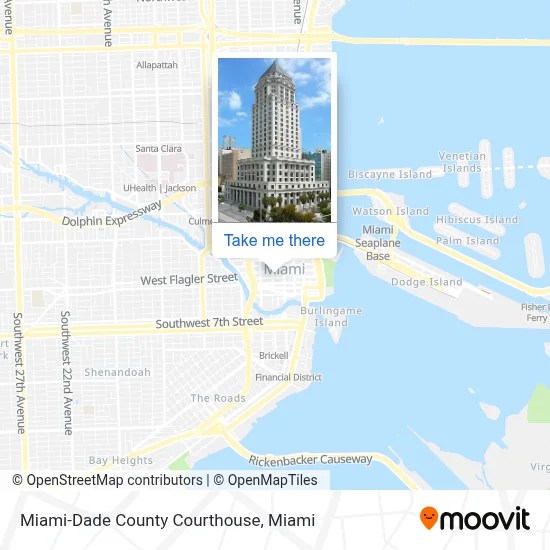
The Complete Overview of Locating Someone in Miami-Dade Custody
Locating an individual in Miami-Dade custody begins with acknowledging the system’s dual nature: public access is permitted, but only under strict legal parameters. Florida’s Government-in-the-Sunshine Law (Chapter 119) guarantees record transparency, yet exemptions for sensitive cases—such as minors, victims of crime, or those under protective custody—create loopholes. The first hurdle is determining whether the subject is in county, state, or federal custody, as each requires a different approach. For instance, Miami-Dade’s Metrorail Detention Center handles local arrests, while the Florida Department of Corrections (FDC) manages state prisoners, and ICE may detain non-citizens separately.
The most efficient method depends on the individual’s status. If they’re in pre-trial detention, their record will appear in Miami-Dade’s Inmate Locator (accessible via the county’s official website), but only if they’ve been formally booked. For those already sentenced, you’ll need to cross-reference the Florida Prison Inmate Search with the Miami-Dade Clerk of Courts database. The critical step? Obtaining a case number—without it, your search becomes a needle-in-a-haystack endeavor. Many people skip this, assuming a name search suffices, but Florida’s system prioritizes case numbers for accuracy, especially in high-volume custody scenarios like Miami-Dade’s.
Historical Background and Evolution
Miami-Dade’s custody records have evolved alongside Florida’s judicial reforms, particularly after the 1995 Crime Control Act, which expanded pretrial detention authority. Before this, local jails primarily held individuals awaiting trial or serving short sentences, with minimal public access. The shift toward risk-based detention (where judges assess flight risk rather than bail amount) increased the volume of detainees, making record-keeping more complex. Today, Miami-Dade’s system integrates electronic monitoring, house arrest, and work release programs, all of which appear in custody logs but aren’t always searchable via standard tools.
Table of Contents
- The Complete Overview of Locating Someone in Miami-Dade Custody
- Historical Background and Evolution
- Core Mechanisms: How It Works
- Key Benefits and Crucial Impact
- Major Advantages
- Comparative Analysis
- Future Trends and Innovations
- Conclusion
- Comprehensive FAQs
- Q: Can I locate someone in Miami-Dade custody without their full name?
- Q: How do I find someone in protective custody or mental health detention?
- Q: What if the person was transferred to another state or federal facility?
- Q: Are there private services that can locate someone in Miami-Dade custody faster?
- Q: How often should I check for updates on a detainee’s status?
The digital transformation of Florida’s records began in the early 2000s with the launch of the Florida Department of Corrections’ Offender Search, but Miami-Dade lagged behind due to legacy IT systems. The 2012 Hurricane Andrew Recovery Act forced an upgrade, leading to the current Miami-Dade Justice Portal, which now consolidates arrest, booking, and court records. However, the portal’s search functionality remains limited—it excludes certain protective custody cases and doesn’t integrate with federal databases. This fragmentation is why investigators often combine FOIA requests, court subpoenas, and third-party databases like VINELink (Victim Information and Notification Everyday) to fill gaps.
Core Mechanisms: How It Works
The process of locating someone in Miami-Dade custody hinges on three pillars: legal authority, database access, and cross-referencing. Legal authority is non-negotiable—Florida law restricts record access to direct parties (next of kin, attorneys, or law enforcement) unless you file a formal request. For example, a parent can access a minor’s custody records, but a random inquiry will be denied. Database access varies: county jails use Centrak or Jail Management System (JMS), while state prisons rely on the Florida Offender Network. Cross-referencing is where most searches fail—many assume a single database will suffice, but a detainee’s record may span multiple systems (e.g., booked in Miami-Dade, transferred to a state prison, then moved to ICE custody).
Practical execution starts with verifying the individual’s status. If they’re in county custody, use the Miami-Dade Inmate Locator (https://www.miamidade.gov/global/jail-inmate-search.page). For state custody, the FDC’s search tool (https://offendersearch.dc.state.fl.us) is essential, but you’ll need a first/last name and birthdate. Federal detainees require the BOP Inmate Locator (https://www.bop.gov/inmateloc) or ICE’s Enforcement and Removal Operations (ERO) database. The catch? These tools only work if the individual has been formally processed. For those in protective custody or mental health holds, you may need to contact the Miami-Dade Police Department’s Records Division directly.
Key Benefits and Crucial Impact
Successfully locating someone in Miami-Dade custody isn’t just about closure—it’s a legal necessity for attorneys, victims, and families navigating Florida’s justice system. The ability to access these records can determine everything from bail eligibility to visitation rights. For instance, a defense attorney might uncover a prior conviction that affects sentencing, while a victim’s family could use the information to file a restraining order. The impact extends beyond individuals: businesses conducting due diligence, landlords screening tenants, and employers verifying backgrounds all rely on accurate custody records. Without this access, Florida’s judicial process would grind to a halt, as critical decisions hinge on verifiable data.
The stakes are highest for those with pending legal cases. A detainee’s whereabouts can shift overnight—from Miami-Dade’s main jail to a remote facility—leaving attorneys scrambling. The Florida Rules of Judicial Administration mandate that parties must be notified of custody changes, but enforcement is inconsistent. This is why proactive searches—using tools like VINELink for automated alerts—are non-negotiable for stakeholders. The system’s design ensures that only those with a direct interest can access records, but the consequences of failing to locate someone can be severe: missed court dates, expired legal deadlines, or even wrongful incarceration claims.
— Florida Supreme Court Justice Charles T. Canady
"The balance between privacy and public access in custody records is a tightrope. Miami-Dade’s system reflects this tension—where transparency serves justice, but secrecy protects the vulnerable. The tools exist, but they demand precision."
Major Advantages
- Legal Compliance: Using official databases ensures your search adheres to Florida’s Public Records Law, reducing the risk of legal challenges or data breaches.
- Real-Time Updates: Tools like VINELink provide automated notifications for custody status changes, critical for attorneys and victims.
- Cross-Jurisdictional Coverage: Miami-Dade’s records often link to state and federal systems, allowing for comprehensive tracking across custody levels.
- Cost-Effective: Free or low-cost databases (e.g., FDC’s Offender Search) eliminate the need for expensive private investigators for basic lookups.
- Privacy Safeguards: Authorized searches (e.g., for next of kin) protect sensitive information while still providing necessary details.

Comparative Analysis
| Database/Tool | Coverage & Limitations |
|---|---|
| Miami-Dade Inmate Locator | Local arrests/pre-trial detainees. Excludes protective custody, juveniles, and transferred inmates. |
| Florida Offender Network (FDC) | State prisoners only. Requires exact birthdate; no real-time updates for transfers. |
| VINELink | Victim/next-of-kin alerts. Limited to cases with registered interest; not public-facing. |
| FOIA Request (Miami-Dade Clerk) | Uncovers sealed records. Slow (10–30 days processing) but comprehensive for historical cases. |
Future Trends and Innovations
Florida’s custody record systems are poised for a digital overhaul, with Miami-Dade leading the charge. The 2024 Blockchain Pilot Program aims to integrate immutable ledgers for inmate transfers, reducing the "lost in transit" issue that plagues current databases. This would allow real-time tracking across county, state, and federal custody—eliminating the need for manual cross-referencing. Additionally, AI-driven search tools (already in testing at the Miami-Dade Police Department) promise to flag discrepancies, such as mismatched aliases or expired detainment dates, which currently force investigators into dead ends.
Privacy concerns will shape these innovations. Florida’s 2023 Data Privacy Act tightens restrictions on biometric data (e.g., fingerprints) in custody records, pushing systems toward differential privacy techniques—where personal details are anonymized unless legally required. For users, this means future searches may require biometric verification (e.g., fingerprint scans for FOIA requests) to access sensitive records. Meanwhile, the rise of predictive policing algorithms could expand public databases, but only if they comply with Florida’s Algorithmic Accountability Act. The net effect? More transparency, but with stricter access controls—making the current methods even more critical for those who need them today.

Conclusion
Locating someone in Miami-Dade custody is less about luck and more about methodical execution. The system is designed to be accessible, but only to those who understand its rules. Skipping steps—like ignoring case numbers or assuming a single database suffices—leads to wasted time and missed opportunities. The tools are there: official portals, FOIA requests, and third-party alerts. What separates success from failure is knowing when to use each and how to navigate Florida’s legal hurdles. For attorneys, this means preparing subpoenas in advance; for families, it means filing victim notifications early; for investigators, it means combining digital searches with old-fashioned legwork.
The process isn’t just about finding a name in a database—it’s about reconstructing a person’s journey through Florida’s justice system. Miami-Dade’s custody records are a patchwork of county, state, and federal fragments, but with the right approach, they reveal a clear path. The key takeaway? Start with the most specific tool available, verify every detail, and don’t hesitate to escalate to formal requests when needed. In a system built on precision, the difference between success and failure often comes down to a single, well-timed search.
Comprehensive FAQs
Q: Can I locate someone in Miami-Dade custody without their full name?
A: No. Florida’s custody databases require at least a first and last name, and often a birthdate or case number. Partial names or nicknames will return inaccurate or overwhelming results. If you lack this information, file a FOIA request with the Miami-Dade Clerk of Courts, specifying the individual’s approximate age, last known location, or charges.
Q: How do I find someone in protective custody or mental health detention?
A: These records are heavily restricted. Contact the Miami-Dade Police Department’s Records Division (305-790-8300) and request access under Florida Statute 943.093. You’ll need to prove a direct relationship (e.g., family member) or legal standing (e.g., attorney). For mental health cases, the Florida Department of Children and Families (DCF) may hold additional records.
Q: What if the person was transferred to another state or federal facility?
A: Use the National Crime Information Center (NCIC) (https://www.fbi.gov/services/cjis/ncic) for interstate transfers. For federal custody (e.g., ICE), the ERO Detainee Locator (https://www.ice.gov/enforcement/ero-tools/detainee-locator) is required. If the transfer was recent, check the Miami-Dade Sheriff’s Office Transfer Log via a FOIA request.
Q: Are there private services that can locate someone in Miami-Dade custody faster?
A: Yes, but they come at a cost. Companies like TLOxp or Accurint aggregate public and proprietary data, including jail records, but their results mirror official databases. For sensitive cases (e.g., missing persons), a licensed private investigator (PI) may use additional resources, but their fees ($200–$500/hour) often exceed the value for basic custody lookups.
Q: How often should I check for updates on a detainee’s status?
A: For active cases, set up VINELink alerts (free for victims/next of kin). If relying on manual searches, check weekly for pre-trial detainees and biweekly for sentenced inmates, as transfers are common. State prisons update their database every 48 hours, but county jails may have delays. Always cross-reference with the Miami-Dade Clerk of Courts for court-ordered changes.
Leave a Comment
Comments are moderated before appearing. The data you submit is processed according to the Privacy Policy of Bevvy.