What Are Prosciutto? The Art, Science, and Legacy of Italy’s Most Revered Cured Meat
The first time you encounter what are prosciutto, it’s not just a question about meat—it’s an invitation into a centuries-old tradition where artistry, patience, and precision collide. Prosciutto isn’t merely a food; it’s a testament to Italian craftsmanship, a delicacy that transforms a simple pig leg into a masterpiece of flavor through a meticulous process of salting, aging, and drying. Its name alone carries weight, derived from the Latin per (through) and sucum (smoke), though modern prosciutto is rarely smoked—its allure lies in its delicate, almost ethereal texture and the way it melts on the tongue like a whisper of salt and fat.
What sets prosciutto apart from other cured hams is its purity of method. Unlike its smoked or heavily spiced counterparts, prosciutto relies on minimal intervention: coarse sea salt, time, and the natural enzymes within the meat to break it down into something transcendent. The result is a product so refined that it’s often served in its most basic form—thinly sliced, draped over cheese, or paired with honey and figs—as if to say, this is how it should be enjoyed. Yet, its simplicity belies the complexity of its production, a process that can span months or even years, depending on the region and technique.
The story of prosciutto is deeply tied to Italy’s rural landscapes, where butchers and families would preserve pork legs in the cool, dry air of cellars or mountain caves. This wasn’t just about sustenance; it was about culture. Festivals revolved around prosciutto, recipes were passed down through generations, and entire economies thrived on its export. Today, when you ask what are prosciutto, you’re also asking about identity—regional pride, culinary heritage, and the unspoken rules that govern its creation. From the protected denominations of Parma and San Daniele to the artisanal producers who defy classification, prosciutto remains a symbol of what food can achieve when tradition meets mastery.

The Complete Overview of Prosciutto
Prosciutto is the Italian answer to the world’s most celebrated cured hams, a category that includes everything from Spain’s jamón ibérico to France’s jambon de Bayonne. At its core, it is pork leg that has undergone a slow, controlled fermentation and drying process, resulting in a product that is both delicate and deeply flavorful. The key to understanding what are prosciutto lies in its dual nature: it is both a practical food—preserved to last through harsh winters—and a luxury item, prized for its texture and taste. The best prosciutto is so tender it can be rolled up like a scroll, its fat marbled throughout the muscle in a way that ensures every bite is a balance of salt, sweetness, and umami.What distinguishes prosciutto from other cured meats is its lack of smoke and minimal seasoning. Unlike ham, which often includes sugar, spices, or nitrates, prosciutto is typically cured with nothing more than high-quality sea salt and sometimes a touch of white wine or garlic. This purity allows the natural flavors of the pig to shine through, with the aging process developing a complex profile that ranges from nutty and earthy to floral and almost buttery. The texture is another hallmark: when properly cured, prosciutto should be firm yet yielding, with a slight resistance that gives way to a melt-in-your-mouth finish. This is not a meat you eat quickly; it’s meant to be savored, slice by slice, often with nothing more than a crack of black pepper or a drizzle of olive oil.
Historical Background and Evolution
The origins of prosciutto stretch back to ancient Rome, where the practice of curing pork legs was documented as early as the 2nd century BCE. The Romans perfected techniques that would later become the foundation of Italian charcuterie, using salt and sun to preserve meat in a time before refrigeration. By the Middle Ages, prosciutto had become a staple in rural Italian diets, particularly in regions like Emilia-Romagna, Tuscany, and Friuli-Venezia Giulia, where the climate—cool nights and warm days—was ideal for natural drying. Monks and farmers alike refined the process, often aging prosciutto in caves or cellars to control humidity and temperature, a method still used today by many artisanal producers.The modern era saw prosciutto evolve from a subsistence food to a symbol of Italian excellence. In the 19th century, the rise of industrialization threatened traditional methods, but regions like Parma and San Daniele fought to preserve their unique styles. By the 20th century, these areas had established strict regulations, leading to the creation of Protected Designation of Origin (PDO) labels that guarantee authenticity. Prosciutto di Parma, for example, must be made from specific pig breeds, cured for at least 12 months, and aged in temperature-controlled environments. This evolution didn’t just protect the product; it elevated it to the status of a gourmet icon, sought after by chefs and food lovers worldwide. Today, what are prosciutto is as much a question of geography and heritage as it is of taste.
Core Mechanisms: How It Works
The transformation of a pig leg into prosciutto is a science of patience and precision. The process begins with the selection of the meat: only the hind leg (or coscia) is used, as it contains the right balance of muscle and fat. The leg is first massaged with coarse sea salt—sometimes up to 20% of its weight—to draw out moisture and inhibit bacterial growth. This salting phase can last anywhere from 10 days to several weeks, depending on the size of the leg and the desired intensity of flavor. After salting, the meat is rinsed and then subjected to a drying period, which is where the magic happens.Table of Contents
- The Complete Overview of Prosciutto
- Historical Background and Evolution
- Core Mechanisms: How It Works
- Key Benefits and Crucial Impact
- Major Advantages
- Comparative Analysis
- Future Trends and Innovations
- Conclusion
- Comprehensive FAQs
- Q: Is prosciutto the same as ham?
- Q: What’s the difference between prosciutto crudo and prosciutto cotto?
- Q: Can you eat prosciutto straight from the package?
- Q: How do you properly store prosciutto?
- Q: What are the best ways to serve prosciutto?
- Q: Is prosciutto gluten-free?
- Q: How can you tell if prosciutto has gone bad?
- Q: What’s the best prosciutto to buy?
- Q: Can vegetarians or vegans eat prosciutto?
- Q: Why is prosciutto so expensive?
During drying, the leg is typically hung in a controlled environment with low humidity and consistent airflow. In traditional methods, this might be a cave or a ventilated cellar, while modern producers use climate-controlled rooms with precise temperature and humidity settings. The drying process can take anywhere from 3 to 18 months, during which the meat loses about 30-40% of its weight. Enzymes in the meat break down proteins and fats, creating a texture that is both firm and tender. The final product is a leg that is light enough to be rolled up like a scroll, with a rind that is slightly leathery to the touch. The absence of smoke or heavy seasoning means the flavor is purely a result of the pig’s diet, the salt, and the aging process—a testament to the philosophy that less intervention often yields greater results.
Key Benefits and Crucial Impact
Prosciutto’s allure lies not just in its taste but in its versatility and the way it enhances other ingredients. It is a blank canvas for flavor, capable of elevating simple dishes like crusty bread and melon to new heights. Chefs and home cooks alike use it as a garnish, a topping, or even as a primary ingredient in pasta and risotto. Its high fat content makes it rich and satisfying, while its low moisture content means it can be stored for long periods without spoiling. This duality—luxurious yet practical—has cemented its place in both fine dining and everyday meals. Moreover, prosciutto’s global popularity has made it a cultural ambassador for Italy, introducing people worldwide to the nuances of charcuterie and the importance of slow food.Beyond its culinary merits, prosciutto plays a significant role in Italy’s economy and identity. Regions like Parma and San Daniele have built entire industries around its production, creating jobs and preserving traditional techniques. The PDO labels not only protect consumers from imitations but also ensure that producers adhere to high standards, maintaining the integrity of the product. For many Italians, prosciutto is more than food; it’s a point of pride, a connection to their roots, and a reminder of a time when food was made with care rather than mass production.
"Prosciutto is the poetry of pork—a harmony of salt, time, and terroir that cannot be rushed or replicated. It is the essence of Italian craftsmanship, where every slice tells a story." — Massimo Bottura, Three-Michelin-Star Chef
Major Advantages
- Unmatched Flavor Complexity: The slow aging process develops a depth of flavor that ranges from nutty and sweet to earthy and slightly funky, depending on the region and method. Unlike pre-packaged hams, artisanal prosciutto offers a nuanced taste that evolves with each bite.
- Versatility in Cooking: Prosciutto can be enjoyed raw (as it’s traditionally intended), wrapped around vegetables for roasting, or even cooked gently to enhance its richness. It pairs beautifully with fruits like figs and pears, cheeses like pecorino and gorgonzola, and wines such as Pinot Noir or Prosecco.
- High Nutritional Value: While high in fat, prosciutto contains healthy monounsaturated and saturated fats, along with protein and essential minerals like zinc and selenium. Its low moisture content means it’s calorie-dense but nutrient-rich per serving.
- Long Shelf Life: When properly cured and stored, prosciutto can last for months without refrigeration, making it an ideal pantry staple. This was historically crucial for survival in rural Italy and remains practical for modern food preservation.
- Cultural and Economic Significance: Prosciutto is a cornerstone of Italian gastronomy, supporting local economies and preserving traditional techniques. Its global recognition has also made it a symbol of Italian excellence, driving tourism and culinary tourism.

Comparative Analysis
| Prosciutto | Jamón Ibérico (Spain) |
|---|---|
|
|
| Serrano Ham (Spain) | Jambon de Bayonne (France) |
|
|
Future Trends and Innovations
The future of prosciutto is shaped by a tension between tradition and innovation. On one hand, there is a growing demand for authenticity, with consumers seeking out PDO-labeled products and artisanal producers who adhere to time-honored methods. This has led to a resurgence of small-scale operations in Italy, where families continue to pass down their techniques across generations. On the other hand, technology is playing an increasingly important role in modern prosciutto production. Climate-controlled aging rooms, digital monitoring of humidity and temperature, and even AI-driven quality control are helping producers maintain consistency while reducing waste.Another trend is the globalization of prosciutto, with Italian producers expanding into new markets and local artisans in countries like the U.S., Australia, and Japan adopting similar curing techniques. However, this also raises questions about authenticity—can prosciutto be made outside Italy and still retain its soul? Some purists argue that terroir is irreplaceable, while others believe the essence of prosciutto lies in the method rather than the location. What is clear is that the demand for high-quality cured meats is only growing, driven by a global appetite for artisanal, sustainable, and flavorful foods. As long as there are those willing to invest the time and patience, prosciutto will continue to thrive as both a culinary treasure and a symbol of craftsmanship.
Conclusion
To truly answer what are prosciutto, one must understand that it is more than a food—it is a philosophy. It represents the belief that good things take time, that simplicity can be profound, and that tradition can coexist with innovation. From the salt-stained hands of a Parmigiano producer to the delicate slices served at a Michelin-starred restaurant, prosciutto connects us to a past where food was made with intention. Its story is one of resilience, of farmers and artisans who refused to let their heritage fade, and of a global community that now celebrates it as a cornerstone of gastronomy.As you explore the world of prosciutto, whether by slicing it yourself or savoring it at a table, remember that each bite is a piece of history. It is a reminder that some of the most extraordinary things in life—like great food, great art, or great stories—are not mass-produced but carefully crafted, one slice at a time.
Comprehensive FAQs
Q: Is prosciutto the same as ham?
A: No, prosciutto is a specific type of cured ham. While all prosciutto is ham, not all ham is prosciutto. Prosciutto is traditionally made from the hind leg of a pig, cured with salt and aged without smoking or heavy seasoning. Ham, on the other hand, can refer to any cured pork leg, often including additional ingredients like sugar, spices, or smoke.
Q: What’s the difference between prosciutto crudo and prosciutto cotto?
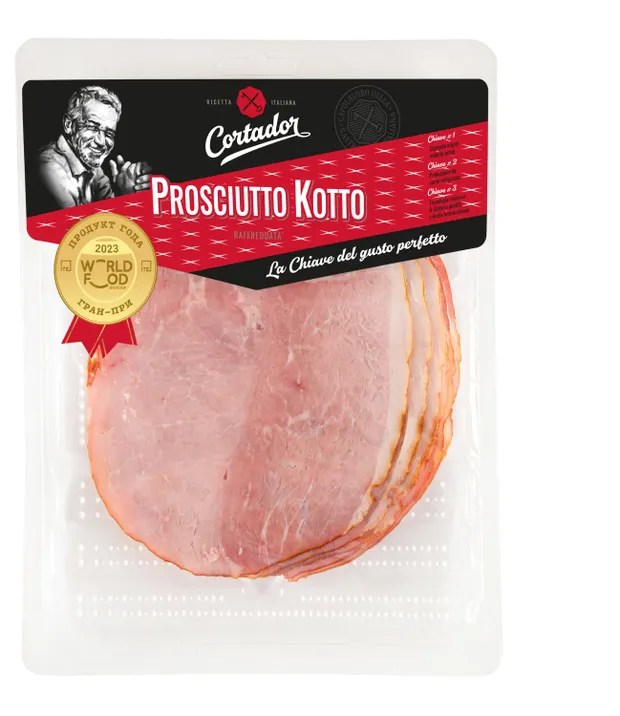
A: Prosciutto crudo ("raw prosciutto") is the traditional, uncured version that is simply salted and dried, resulting in a delicate, tender texture. Prosciutto cotto ("cooked prosciutto") is pre-cooked and often includes added ingredients like sugar or nitrates, giving it a firmer texture and a sweeter, more uniform flavor. Crudo is considered the superior choice for gourmet use.
Q: Can you eat prosciutto straight from the package?
A: Yes, but with caution. High-quality prosciutto crudo is safe to eat raw because it is preserved through curing and drying, not cooking. However, always check for signs of spoilage (off smells, mold, or sliminess) and store it properly in the fridge once opened. If you’re unsure about a product’s safety, it’s best to cook it lightly before eating.
Q: How do you properly store prosciutto?
A: Unopened prosciutto should be stored in a cool, dry place (like a pantry) for short-term use or in the fridge for longer storage. Once opened, wrap it tightly in plastic wrap or place it in an airtight container to prevent drying out. For best flavor, consume it within a few weeks. If you have a whole leg, you can freeze it for up to 6 months, though this may affect texture.
Q: What are the best ways to serve prosciutto?
A: Prosciutto is incredibly versatile. The simplest way is to serve it raw, thinly sliced, with crusty bread, melon, or figs. It also pairs well with cheeses like pecorino or gorgonzola, and can be used as a topping for pasta, pizza, or risotto. For a more adventurous approach, try wrapping it around vegetables (like asparagus or mushrooms) before roasting, or using it as a glaze for meats.
Q: Is prosciutto gluten-free?
A: Yes, prosciutto is naturally gluten-free since it is made from pork and salt only. However, always check the label if you’re buying pre-packaged prosciutto, as some commercial versions may contain added ingredients or be processed in facilities that handle gluten-containing products.
Q: How can you tell if prosciutto has gone bad?
A: Fresh prosciutto should have a pale pink color with a slight sheen, a firm yet tender texture, and a clean, slightly salty aroma. Signs of spoilage include a sour or ammonia-like smell, mold, sliminess, or an off-color (grayish or greenish hues). If in doubt, discard it—properly cured prosciutto should never taste "off" or have an unpleasant texture.
Q: What’s the best prosciutto to buy?
A: The best prosciutto depends on your preference and budget. For authenticity, look for PDO-labeled varieties like Prosciutto di Parma or San Daniele. If you’re new to prosciutto, start with a mid-range artisanal product—avoid overly salty or pre-sliced varieties, as they often lack depth of flavor. When buying whole legs, choose those with a thick layer of fat and a firm, slightly springy texture.
Q: Can vegetarians or vegans eat prosciutto?
A: No, prosciutto is made from pork and is not suitable for vegetarians or vegans. However, there are plant-based alternatives made from mushrooms, soy, or other ingredients designed to mimic the texture and flavor of prosciutto. These are often labeled as "vegan prosciutto" or "plant-based ham."
Q: Why is prosciutto so expensive?
A: The cost of prosciutto reflects the time, skill, and ingredients required to produce it. High-quality prosciutto involves months (or even years) of curing and aging, often in controlled environments. The use of specific pig breeds, natural salt, and traditional methods also drives up the price. Additionally, PDO-labeled prosciutto must meet strict regulations, ensuring quality but limiting mass production.
Leave a Comment
Comments are moderated before appearing. The data you submit is processed according to the Privacy Policy of Bevvy.