What Is a Orzo? The Hidden Gem of Pasta That Transcends Italian Cuisine
Orzo isn’t just another pasta shape—it’s a culinary chameleon, capable of mimicking rice, grains, and even couscous while adding its own distinct texture. Unlike its more rigid counterparts, orzo absorbs flavors like a sponge, making it the unsung hero of soups, salads, and even desserts. Yet, for all its versatility, what is a orzo remains a question for many outside Italian culinary circles. The answer lies in its name: derived from the Italian word for "barley," orzo (pronounced OR-tso) reflects its origins as a grain-like pasta designed to deceive the palate.
What sets orzo apart is its dual nature—it behaves like rice in texture but retains the al dente bite of traditional pasta. This paradox is why it’s a staple in dishes from creamy risottos to refreshing summer salads. Unlike long or short pasta, orzo’s small, grain-like form allows it to blend seamlessly into dishes without overpowering them. Its ability to soak up sauces and broths makes it a favorite among chefs and home cooks alike, yet its history is as rich as its culinary applications.
The confusion around what is a orzo often stems from its misleading appearance. Many assume it’s a type of rice or even a grain, but it’s technically pasta—made from durum wheat semolina, just like penne or fusilli. The key difference? Its shape: tiny, rice-like grains that cook in minutes, releasing starches that thicken liquids into velvety textures. Whether you’re stirring it into a paella, tossing it in a primavera salad, or using it as a risotto base, orzo’s adaptability is unmatched.

The Complete Overview of Orzo
Orzo’s rise from humble origins to global culinary staple is a testament to its adaptability. Unlike traditional pasta shapes, which are defined by their ability to hold sauces or chewy textures, orzo’s primary function is to mimic grains—particularly rice—while offering the convenience of pasta. This duality explains why it’s a pantry essential in both Italian and international kitchens. Its small size and high surface area mean it cooks faster than most pasta, yet it retains enough structure to hold its shape in salads or cold dishes.What truly defines orzo is its role as a "filler" in recipes. In Italian cuisine, it’s often used in soups like minestrone or as a base for risotto alla Milanese, where its ability to absorb butter and saffron creates a luxurious, creamy texture. Outside Italy, it’s become a go-to for grain-free or low-carb diets, proving that what is a orzo is more than a pasta shape—it’s a culinary solution. Its versatility extends to desserts, where it’s toasted and sweetened for crunchy toppings or baked into cheesecakes for texture.
Historical Background and Evolution
Orzo’s story begins in the Po Valley of northern Italy, where it was first crafted in the 19th century as a way to stretch rice during shortages. The name orzo itself is a nod to barley (orzo perlato), though the pasta bears no relation to the grain. Early versions were larger and more irregular, but modern orzo is uniformly small—about the size of a grain of rice—thanks to industrial pasta-making techniques. This standardization allowed it to spread beyond Italy, particularly in the U.S., where it became a staple in casseroles and soups during the mid-20th century.The evolution of orzo reflects broader culinary trends. In the 1970s, as health-conscious eating gained traction, orzo’s low-fat, high-fiber profile made it a favorite for lighter dishes. Today, it’s a cornerstone of gluten-free and vegan cooking, with versions made from chickpea flour or quinoa. Its ability to adapt to dietary restrictions without sacrificing texture or flavor underscores why what is a orzo remains a relevant question in modern gastronomy.
Core Mechanisms: How It Works
The magic of orzo lies in its starch release. When cooked, its semolina exterior breaks down, releasing amylose and amylopectin—compounds that thicken liquids into a silky consistency. This is why orzo-based risottos never require separate starches like cornstarch; the pasta itself does the work. The cooking process is simple: boil in salted water for 8–12 minutes (depending on brand) until tender but still slightly firm to the bite. Overcooking turns orzo mushy, defeating its purpose as a textural anchor.Table of Contents
- The Complete Overview of Orzo
- Historical Background and Evolution
- Core Mechanisms: How It Works
- Key Benefits and Crucial Impact
- Major Advantages
- Comparative Analysis
- Future Trends and Innovations
- Conclusion
- Comprehensive FAQs
- Q: Is orzo the same as rice?
- Q: Can orzo be used in place of couscous?
- Q: How long does orzo take to cook?
- Q: Is orzo gluten-free?
- Q: Can orzo be used in desserts?
- Q: Why does orzo turn mushy when reheated?
- Q: What’s the best way to store cooked orzo?
- Q: Can orzo be used in low-carb diets?
- Q: How does orzo differ from other small pasta shapes?
- Q: Is orzo suitable for meal prep?
What distinguishes orzo from other pasta is its post-cooking behavior. Unlike penne or spaghetti, which are best served immediately, orzo can be rinsed in cold water to halt cooking and tossed into salads or cold soups without losing its shape. This makes it ideal for meal prep, where it can be cooked in advance and reheated with minimal effort. Its neutral flavor also means it absorbs marinades, broths, and herbs effortlessly, making it a blank canvas for culinary creativity.
Key Benefits and Crucial Impact
Orzo’s impact on modern cooking stems from its efficiency and versatility. In professional kitchens, it’s prized for its ability to reduce prep time—no need to toast rice or chop grains when orzo can do the job in minutes. For home cooks, it’s a budget-friendly alternative to quinoa or couscous, offering the same hearty texture at a fraction of the cost. Its role in dietary trends is equally significant, bridging the gap between traditional pasta and health-conscious eating.The global appeal of orzo lies in its cultural adaptability. In Italy, it’s a humble ingredient; in the U.S., it’s a casserole staple; in Middle Eastern cuisine, it’s used in place of rice in pilafs. This flexibility ensures that what is a orzo remains a question with evolving answers, as chefs and home cooks continue to reimagine its uses.
"Orzo is the pasta equivalent of a Swiss Army knife—small, unassuming, but capable of solving any culinary problem." — Massimo Bottura, Michelin-starred chef
Major Advantages
- Speed: Cooks in 8–12 minutes, far faster than rice or grains.
- Texture: Retains a slight chew, unlike mushy rice or couscous.
- Versatility: Works in hot and cold dishes, from soups to desserts.
- Cost-Effective: Cheaper than quinoa or specialty grains.
- Dietary Flexibility: Gluten-free and vegan versions available.
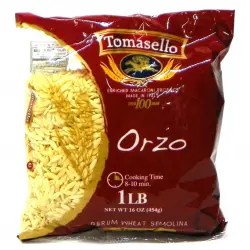
Comparative Analysis
| Orzo | Rice |
|---|---|
| Cooks in 8–12 minutes; retains slight bite. | Requires 15–45 minutes; can become mushy. |
| Absorbs flavors without separate starch. | Often needs butter or cornstarch for creaminess. |
| Gluten-free and vegan options available. | Mostly gluten-free but lacks protein variety. |
| Ideal for salads, soups, and risottos. | Better for pilafs, stir-fries, and side dishes. |
Future Trends and Innovations
The future of orzo lies in its ability to adapt to emerging dietary needs. As plant-based and gluten-free diets grow, orzo made from lentils, chickpeas, or black beans will likely dominate shelves. Innovations in extrusion technology may also produce orzo with enhanced textures—imagine a version that toasts like couscous or puffs like rice. Sustainability will play a role too, with brands emphasizing low-water cooking methods and upcycled ingredients.Beyond food, orzo’s influence is spreading to non-culinary realms. Its grain-like appearance makes it a popular ingredient in DIY home decor, from terrariums to decorative bowls. As global cuisines continue to blend, orzo’s role as a neutral, adaptable ingredient ensures it will remain a kitchen staple for decades to come.

Conclusion
Orzo’s journey from Italian rice substitute to global culinary workhorse is a masterclass in adaptability. Its ability to mimic grains while delivering pasta’s convenience makes it indispensable in modern cooking. Whether you’re answering what is a orzo for the first time or refining your own recipes, its versatility is undeniable. The key to mastering orzo lies in understanding its dual nature—both grain and pasta—and leveraging its strengths in every dish.As culinary trends shift, orzo’s relevance only grows. Its low cost, quick cooking time, and dietary flexibility ensure it won’t fade into obscurity. For chefs and home cooks alike, orzo is more than an ingredient—it’s a solution, a tradition, and a blank slate for creativity.
Comprehensive FAQs
Q: Is orzo the same as rice?
A: No. Orzo is a type of pasta made from durum wheat semolina, while rice is a grain. Orzo mimics rice’s texture but retains the al dente bite of pasta. It’s often used as a rice substitute in dishes like risotto or pilafs.
Q: Can orzo be used in place of couscous?
A: Yes, but with adjustments. Orzo is slightly chewier and absorbs liquids differently. For couscous-like texture, rinse cooked orzo in cold water and toss with herbs and olive oil. It works well in salads or as a side dish.
Q: How long does orzo take to cook?
A: Standard orzo cooks in 8–12 minutes in boiling salted water. Always check the package for specific times, as brands vary. Undercooking leaves it firm; overcooking makes it mushy.
Q: Is orzo gluten-free?
A: Traditional orzo contains gluten due to its wheat semolina base. However, gluten-free versions made from rice, corn, or chickpea flour are widely available. Always check labels for certification.
Q: Can orzo be used in desserts?
A: Absolutely. Toasted orzo adds crunch to cheesecakes, puddings, or baked desserts. For a sweet touch, toss cooked orzo with sugar, cinnamon, and nuts before baking. It’s also used in Italian torta di riso (rice cake) variations.
Q: Why does orzo turn mushy when reheated?
A: Orzo releases starch when cooked, which can turn gummy upon reheating. To prevent this, rinse cooked orzo in cold water before storing, and reheat with a splash of broth or olive oil to maintain texture.
Q: What’s the best way to store cooked orzo?
A: Store cooked orzo in an airtight container in the fridge for up to 5 days. For longer storage, freeze it for up to 3 months. Reheat gently with a little liquid to restore moisture and texture.
Q: Can orzo be used in low-carb diets?
A: Traditional orzo is high in carbs, but low-carb orzo made from chickpea flour or shirataki noodles is available. These alternatives mimic the texture while reducing net carbs significantly.
Q: How does orzo differ from other small pasta shapes?
A: Unlike pasta like stelline (stars) or acini di pepe (peppercorns), orzo’s grain-like shape and high starch content make it ideal for creamy dishes. Its size also allows it to blend into soups and salads without overpowering.
Q: Is orzo suitable for meal prep?
A: Yes, orzo is excellent for meal prep. Cook a batch ahead, rinse in cold water, and store it in the fridge for up to 5 days. Reheat with broth or sauce to revive its texture for salads, soups, or grain bowls.
Leave a Comment
Comments are moderated before appearing. The data you submit is processed according to the Privacy Policy of Bevvy.