Iowa’s Hidden Gems: How County History Shapes Community and Regional Identity
Iowa’s landscape is a patchwork of stories—each county a chapter in a larger narrative of resilience, innovation, and quiet pride. The rolling fields of Story County whisper of Scandinavian settlers who shaped its dairy legacy, while the brick storefronts of Dubuque’s historic district bear witness to mining booms and river trade. These aren’t just geographic divisions; they’re living archives of how county Iowa history community regional ties evolved from necessity into the fabric of daily life. The way Iowans gather in small-town squares, preserve farmsteads, or celebrate county fairs isn’t nostalgia—it’s a deliberate choice to honor roots that still dictate opportunities, from agribusiness hubs to arts districts.
What separates Iowa’s regional identity from other Midwestern states is its scale. With 99 counties, the state’s history isn’t just preserved in museums; it’s embedded in the decisions of local governments, the menus at diners, and the annual festivals that draw crowds larger than some towns’ populations. Take Black Hawk County, where the first Iowa state fair was held in 1854—a tradition that now draws over 800,000 visitors, blending 19th-century livestock judging with modern food trucks. Or Polk County, where Des Moines’ rise from a river port to a corporate crossroads mirrors Iowa’s shift from agrarian to knowledge-based economies. These connections aren’t accidental; they’re the result of centuries where county lines determined everything from school districts to political power.
The tension between rural isolation and urban influence has defined Iowa’s county Iowa history community regional dynamic. While cities like Cedar Rapids and Sioux City became industrial powerhouses, surrounding counties remained agricultural strongholds, creating a delicate balance. Today, that duality fuels debates over broadband access, farm subsidies, and even how history is taught—with some counties clinging to traditional narratives and others embracing progressive reinterpretations. The question isn’t whether these histories matter, but how they’ll shape the next generation of Iowans who must decide: Do they double down on heritage, or redefine it for a changing world?

The Complete Overview of County Iowa History Community Regional Dynamics
Iowa’s county Iowa history community regional framework is more than administrative geography—it’s a living system where past and present collide. Each county’s story begins with its founding, often tied to natural resources (the Mississippi River’s trade routes, the Des Moines River’s fertile soils) or strategic locations (railroad junctions like Marshalltown or military outposts like Fort Dodge). These early influences dictated settlement patterns: German immigrants clustered in the southeast, Scandinavians in the north, and African American communities in cities like Davenport, where the Great Migration left lasting cultural imprints. Even the names—from the French-derived Dubuque to the Native American Sioux—reflect layers of occupation, from Dakota tribes to French fur traders to 19th-century pioneers.The Civil War era accelerated this regional divergence. Counties like Johnson (home to Grinnell College, founded in 1846) became intellectual hubs, while others like Hancock (where the first Iowa state penitentiary opened in 1838) grappled with law-and-order challenges. By the early 20th century, the rise of the farm cooperative movement in counties like Story and Boone demonstrated how local institutions could challenge corporate dominance—a tradition that persists today in organizations like the Iowa Farm Bureau. Meanwhile, industrial counties such as Linn (home to the nation’s first electric streetcar system) saw rapid urbanization, creating stark contrasts with their rural neighbors. This duality isn’t just historical; it’s a blueprint for understanding modern Iowa, where a county’s economic trajectory often hinges on whether it leans toward agriculture, manufacturing, or services.
Historical Background and Evolution
The organization of Iowa’s counties in 1838—just months before statehood—was a pragmatic response to frontier governance. The state’s first governor, Robert Lucas, divided the territory into 24 counties, a number that ballooned to 99 by 1888 as settlement expanded. These boundaries weren’t arbitrary; they followed rivers, trails, and political compromises. For example, the creation of county Iowa history community regional entities like the Iowa Great Lakes (formed in 1969) was a deliberate effort to manage shared resources across county lines, proving that cooperation often outweighed parochialism. Early county seats like Iowa City (Johnson County) and Council Bluffs (Pottawattamie County) became cultural anchors, hosting the first state universities and courthouses that doubled as community gathering spaces.The 20th century tested these regional identities. The Dust Bowl of the 1930s devastated counties like Osceola and Dickinson, forcing collective relief efforts that strengthened local solidarity. Meanwhile, the post-WWII boom saw counties like Polk and Dallas transform into suburban sprawls, while others, like Clay County (home to the first Iowa 4-H club in 1902), doubled down on agricultural innovation. The civil rights era also left marks: counties like Scott (where the first Black-owned newspaper in Iowa, The Appeal, was published in 1895) became battlegrounds for racial equality, with school desegregation cases like Cooper v. Aaron (1958) originating in Little Rock but echoing in Iowa’s urban centers. These eras reveal a recurring theme: county Iowa history community regional resilience is forged in crisis, whether economic collapse or social upheaval.
Core Mechanisms: How It Works
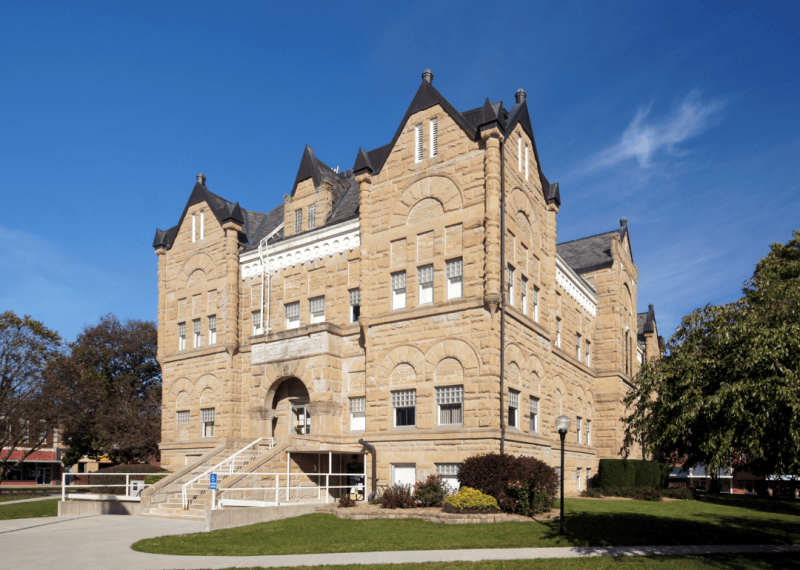
The operational backbone of Iowa’s county Iowa history community regional system lies in its governance structure. Each county operates under a board of supervisors (elected by districts) and a county auditor, with powers ranging from zoning laws to public health initiatives. This decentralization ensures that decisions—like funding a historic preservation project or expanding broadband—reflect local priorities. For instance, when Black Hawk County restored its 1880 courthouse in 2015, it wasn’t just about architecture; it was a statement on how history preserves community identity. Similarly, the creation of regional tourism alliances (e.g., the Iowa Great Lakes Region) demonstrates how counties collaborate to attract visitors, blending heritage sites like the Amana Colonies with modern attractions like the Adventureland amusement park.Table of Contents
- The Complete Overview of County Iowa History Community Regional Dynamics
- Historical Background and Evolution
- Core Mechanisms: How It Works
- Key Benefits and Crucial Impact
- Major Advantages
- Comparative Analysis
- Future Trends and Innovations
- Conclusion
- Comprehensive FAQs
- Q: How many counties does Iowa have, and why were they established?
- Q: Which Iowa county has the deepest historical roots?
- Q: How do Iowa’s county histories influence modern politics? A: Counties like Lyon (conservative) and Polk (urban-leaning) reflect Iowa’s rural-urban divide, often determining state election outcomes. The caucus system amplifies county-level voting power. Q: Are there counties in Iowa with significant Native American heritage?
- Q: How can I explore Iowa’s county histories as a visitor?
- Q: What’s the most unique county in Iowa?
- Q: How do Iowa’s counties compare to those in other Midwestern states?
The economic engine of these regions is equally complex. Counties like Cerro Gordo (home to the Pella Dutch Windmill) leverage their heritage for tourism, while others like Story (with its Neal Smith National Wildlife Refuge) focus on conservation. The Iowa Economic Development Authority even designates "Enterprise Zones" to revitalize struggling counties, proving that regional identity can be both a burden and an asset. At the grassroots level, organizations like the Iowa County Historical Societies Association ensure that local archives—from church records to farm diaries—remain accessible. This mechanism of preservation isn’t passive; it’s a deliberate effort to keep history alive in a state where the past often feels more tangible than the future.
Key Benefits and Crucial Impact
The interplay between county Iowa history community regional dynamics has shaped Iowa’s economy, culture, and politics in ways that extend far beyond state lines. Economically, counties with strong agricultural roots (like Adair or Guthrie) benefit from federal subsidies and global commodity markets, while urban-adjacent counties (such as Warren, near Des Moines) attract remote workers and tech startups. Culturally, the diversity of these regions—from the German Oktoberfest celebrations in Fremont to the Scandinavian heritage festivals in Decorah—creates a tapestry that draws national attention. Politically, Iowa’s first-in-the-nation caucuses hinge on county-level turnout, where rural and urban voters often cast ballots based on vastly different priorities.The ripple effects of this system are undeniable. A county’s decision to invest in renewable energy (like wind farms in Fremont County) can spur state-wide policy shifts. Similarly, the preservation of historic Main Streets in towns like Mount Pleasant (Henry County) boosts local economies by $1.5 million annually, according to the National Trust for Historic Preservation. These aren’t isolated successes; they’re symptoms of a larger truth: Iowa’s county Iowa history community regional fabric is its greatest asset, offering a model for how heritage can drive progress without erasing tradition.
"In Iowa, you don’t just live in a county—you live in a story. And those stories, when told right, become the blueprint for the next chapter." — Diane Ackerman, A Natural History of the Senses
Major Advantages
- Economic Resilience: Counties like Polk (home to Principal Financial Group) and Scott (where John Deere has a major campus) diversify local economies by balancing agriculture with corporate presence, reducing reliance on single industries.
- Cultural Preservation: Initiatives like the Iowa Pathways program connect historic sites (e.g., the Heritage Center in Cedar Rapids) with modern tourism, ensuring revenue flows back to communities.
- Political Influence: Iowa’s county system gives rural voters disproportionate weight in state elections, often determining outcomes in close races (e.g., the 2020 caucuses, where rural counties like Lyon and Sioux favored Trump).
- Innovation Hubs: Counties like Dallas (home to the Iowa State Fairgrounds) and Story (with Ames’ tech corridor) repurpose historic infrastructure (like fairgrounds) into innovation centers, blending old and new economies.
- Community Cohesion: Events like the Pioneer Days in Atlantic (Cass County) or the Dubuque Jazz Festival foster intergenerational engagement, using history as a unifying force in an era of polarization.
Comparative Analysis
| Aspect | Iowa’s County System | National Midwestern Peer (e.g., Illinois) |
|---|---|---|
| Governance | Decentralized county boards with broad autonomy; strong historical societies. | More centralized state control; county roles often limited to services like law enforcement. |
| Economic Drivers | Agriculture (50% of land), manufacturing, and emerging tech in urban counties. | Chicago-centric finance/manufacturing; rural counties rely heavily on state subsidies. |
| Cultural Identity | Heritage festivals, farm-to-table movements, and county-specific traditions (e.g., Dutch windmills). | Urban cultural dominance (e.g., Chicago’s museums); rural areas lack cohesive branding. |
| Political Impact | County-level caucuses determine state and national elections; rural-urban divide is pronounced. | State-level politics overshadow counties; rural areas have less electoral influence. |
Future Trends and Innovations
The next decade will test whether Iowa’s county Iowa history community regional model can adapt to global pressures. Climate change poses the most immediate threat: counties like Sioux (home to the Loess Hills) must balance agricultural productivity with erosion control, while flood-prone areas like Louisa County face rising insurance costs. Innovations like precision farming (led by counties like Story) and renewable energy co-ops (e.g., Alliant Energy’s wind projects in Fremont County) offer solutions, but require cross-county collaboration—something Iowa’s history of competition may resist.Demographically, Iowa’s aging population and rural depopulation could force counties to rethink their roles. Pilot programs like Broadband Expansion Zones in rural counties (e.g., Osceola) are critical, as is the repurposing of historic buildings into remote-work hubs. Culturally, younger Iowans are redefining heritage: the Iowa City Farmers Market now features food trucks alongside Amish bakers, and counties like Johnson are seeing a surge in "slow tourism" as millennials seek authentic experiences. The challenge will be preserving tradition while embracing innovation—without losing the community bonds that make Iowa unique.

Conclusion
Iowa’s county Iowa history community regional dynamic is a testament to how geography, governance, and culture intertwine to create something enduring. It’s a system that has weathered economic crashes, political shifts, and technological revolutions by staying rooted in its counties—literally and figuratively. The lesson for other regions is clear: heritage isn’t a relic; it’s a tool. Whether through historic preservation, economic diversification, or political engagement, Iowa proves that the past isn’t just prologue—it’s the foundation upon which the future is built.For outsiders, this might seem like a quiet story of small towns and farm fields. But for Iowans, it’s the story of their lives—one county at a time. And as the state navigates an uncertain future, its greatest strength may well be the very thing that has defined it for centuries: the unbreakable link between place, history, and community.
Comprehensive FAQs
Q: How many counties does Iowa have, and why were they established?
A: Iowa has 99 counties, established between 1838 and 1888 to facilitate governance in the frontier era. Early divisions followed natural boundaries (rivers, trails) and political compromises, ensuring accessible local services for settlers.
Q: Which Iowa county has the deepest historical roots?
A: Dubuque County, founded in 1836, is Iowa’s oldest. Its lead-mining industry and French colonial ties make it a microcosm of the state’s layered history.
Q: How do Iowa’s county histories influence modern politics?
A: Counties like Lyon (conservative) and Polk (urban-leaning) reflect Iowa’s rural-urban divide, often determining state election outcomes. The caucus system amplifies county-level voting power.
Q: Are there counties in Iowa with significant Native American heritage?
A: Yes. Counties like Sac (named after the Sac and Fox tribes) and Sioux (home to the Sioux City Indian Center) preserve Dakota and Ho-Chunk histories, though displacement in the 19th century reduced their populations.
Q: How can I explore Iowa’s county histories as a visitor?
A: Start with the Iowa County Historical Societies Association’s directory, visit county courthouses (many have archives), and attend festivals like Pioneer Days in Atlantic or Dubuque’s French Fest.
Q: What’s the most unique county in Iowa?
A: The Amana Colonies (in Iowa and Benton Counties) stand out for their 19th-century German communal society, preserved windmills, and annual Heritage Festival.
Q: How do Iowa’s counties compare to those in other Midwestern states?
A: Iowa’s system is more decentralized than Illinois’ but similar to Minnesota’s. The key difference is Iowa’s strong agricultural base, which shapes county economies more uniformly than in industrial-heavy states.
Leave a Comment
Comments are moderated before appearing. The data you submit is processed according to the Privacy Policy of Bevvy.