How Live Engagement Transforms Media: Exploring Evolution Modern Interactive Broadcasting
The shift from one-way transmission to two-way dialogue has rewritten the rules of media consumption. No longer confined to static screens, audiences now co-create experiences alongside broadcasters—whether through live polls, augmented reality overlays, or AI-driven personalization. This transformation isn’t just incremental; it’s a paradigm shift where every viewer becomes a participant, not just a spectator. The implications stretch across entertainment, education, and even political discourse, forcing industries to rethink how content is delivered, monetized, and perceived.
Yet the evolution of modern interactive broadcasting isn’t just about adding buttons or chat features. It’s a convergence of technological breakthroughs—5G latency, cloud-based rendering, and machine learning—that enable seamless real-time interaction. The result? A medium that adapts dynamically to audience behavior, blurring the line between content creator and consumer. For brands, this means deeper engagement; for creators, it’s a direct pipeline to feedback. The question isn’t if this trend will dominate, but how it will reshape the very fabric of media.
What began as a niche experiment in gaming and niche streaming has now become the backbone of global platforms. From Twitch’s interactive overlays to Netflix’s bandwagoning of live Q&As, the industry’s pivot toward exploring evolution modern interactive broadcasting reflects a broader cultural hunger for connection. But beneath the surface, the mechanics are complex—a delicate balance of infrastructure, psychology, and business models.
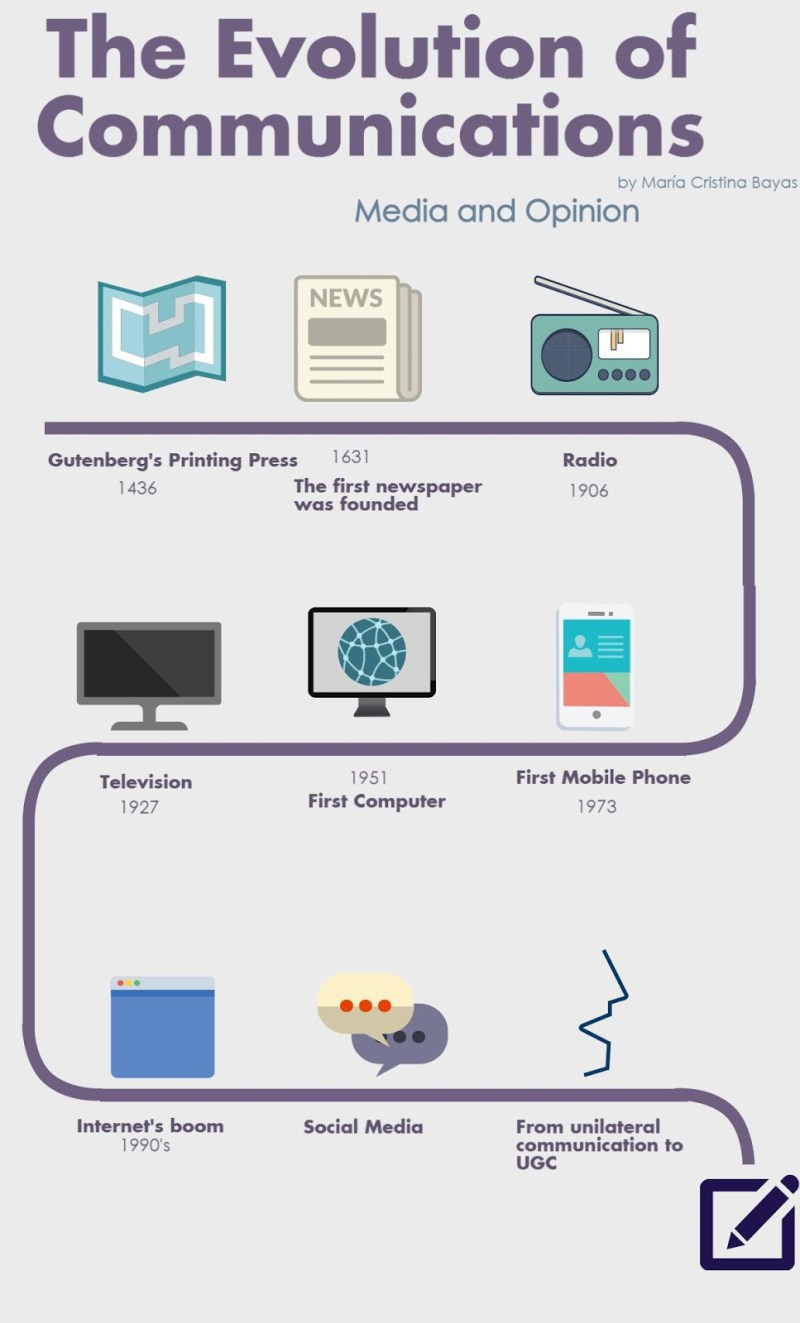
The Complete Overview of Exploring Evolution Modern Interactive Broadcasting
The foundation of today’s interactive broadcasting lies in the collision of three forces: the democratization of content creation, the rise of social media’s participatory culture, and the technical capability to process vast amounts of real-time data. Traditional broadcasting treated viewers as an anonymous mass; modern systems treat them as individuals with unique preferences, reactions, and even predictive behaviors. Platforms like YouTube Live, Facebook Watch, and emerging players like Trovo now embed interactive elements—live polls, virtual gifts, or co-streaming—into the viewing experience, turning passive consumption into active collaboration.At its core, exploring evolution modern interactive broadcasting hinges on three pillars: latency reduction, scalable infrastructure, and behavioral engagement tools. Low-latency streaming (now sub-second in some cases) eliminates the lag that once made real-time interaction feel clunky. Cloud-based encoding and CDN networks distribute content globally without quality degradation, while AI-driven analytics parse viewer reactions in real time—adjusting content dynamically. The result? A medium that doesn’t just respond to audiences but anticipates their needs, creating a feedback loop that traditional broadcasting could never achieve.
Historical Background and Evolution
The seeds of interactive broadcasting were sown in the 1970s with teletext and early videotex systems, which allowed viewers to request additional information during broadcasts. However, these were rudimentary compared to today’s standards. The real inflection point came in the 2000s with the rise of user-generated content on platforms like YouTube, where viewers could comment in real time. But it was Twitch in 2011 that proved interactive broadcasting could scale—turning gaming streams into social events where chat, donations, and even virtual merchandise became core engagement drivers.The next leap came with 5G and WebRTC, which slashed latency to near-instantaneous levels. Platforms like Kick and Facebook Gaming adopted features like "live reactions" and "virtual cheering," while Netflix’s interactive movies (e.g., Bandersnatch) demonstrated how branching narratives could merge storytelling with viewer choice. Meanwhile, augmented reality (AR) overlays—used in sports broadcasts like the NFL’s First Down AR—brought interactive elements into mainstream television. Each iteration refined the balance between broadcasting as performance and broadcasting as conversation.
Core Mechanisms: How It Works
Behind the scenes, modern interactive broadcasting relies on a real-time data pipeline that processes viewer input, analyzes sentiment, and adjusts content dynamically. At the technical level, WebSockets and Server-Sent Events (SSE) enable bidirectional communication between broadcaster and audience, while edge computing reduces latency by processing data closer to the user. AI plays a critical role: natural language processing (NLP) scans chat for keywords or sentiment, while computer vision detects viewer reactions (e.g., facial expressions in AR-enhanced streams).Table of Contents
- The Complete Overview of Exploring Evolution Modern Interactive Broadcasting
- Historical Background and Evolution
- Core Mechanisms: How It Works
- Key Benefits and Crucial Impact
- Major Advantages
- Comparative Analysis
- Future Trends and Innovations
- Conclusion
- Comprehensive FAQs
- Q: How does low-latency streaming enable interactivity?
- Q: Can traditional TV adapt to interactive broadcasting?
- Q: What role does AI play in modern interactive broadcasting?
- Q: How do broadcasters monetize interactive features?
- Q: What are the biggest challenges in scaling interactive broadcasting?
- Q: Will interactive broadcasting replace traditional TV?
The user experience is often layered: a base layer of traditional streaming (video/audio) sits alongside interactive layers like polls, quizzes, or even virtual props (e.g., Twitch’s "channel points" redeemable for in-stream effects). Monetization models have also evolved—subscriptions, ads, and microtransactions (e.g., buying virtual gifts) create revenue streams tied directly to engagement. The most advanced systems, like those used in esports or live concerts, integrate haptic feedback or VR avatars, making the audience feel physically present in the broadcast environment.
Key Benefits and Crucial Impact
The shift toward exploring evolution modern interactive broadcasting isn’t just a technical upgrade—it’s a cultural reset. For creators, it removes the barrier between performer and audience, fostering deeper loyalty. Viewers, once passive recipients, now feel ownership over the content they consume. Brands leverage this to create immersive marketing campaigns, while educators use interactive elements to measure student engagement in real time. The economic impact is similarly transformative: platforms like Twitch generate billions annually from subscriptions and ads, while interactive TV ads (e.g., allowing viewers to click for more info) boost conversion rates by up to 40%.Yet the most profound change lies in psychological engagement. Studies show that interactive viewers retain information 30% better than passive ones, and platforms like Periscope have demonstrated how live Q&As can turn strangers into communities overnight. The downside? The pressure on creators to maintain constant interaction can lead to burnout, while the attention economy risks turning broadcasts into endless cycles of engagement bait.
"Interactive broadcasting isn’t just about adding features—it’s about redefining the relationship between content and audience. The medium that once spoke at people now speaks with them." — Jane Chen, Interactive Media Strategist at Nielsen
Major Advantages
- Real-Time Feedback Loops: Broadcasters adjust content dynamically based on live audience reactions, polls, or chat trends, increasing relevance and retention.
- Monetization Diversification: Microtransactions (virtual gifts, tips), subscriptions, and interactive ads create multiple revenue streams beyond traditional advertising.
- Enhanced Audience Retention: Features like branching narratives (e.g., Netflix’s Black Mirror: Bandersnatch) or AR overlays keep viewers engaged longer than passive content.
- Data-Driven Personalization: AI analyzes viewer behavior to tailor content, recommendations, or even ad placements in real time.
- Community Building: Interactive elements (chat, co-streaming, shared experiences) foster deeper connections between creators and audiences, reducing churn.

Comparative Analysis
| Traditional Broadcasting | Modern Interactive Broadcasting |
|---|---|
| One-way communication (broadcaster → audience). | Two-way dialogue with real-time interaction (bidirectional feedback). |
| Linear, scheduled content with no audience input. | Dynamic, adaptive content that changes based on viewer behavior. |
| Monetization via ads, subscriptions, or licensing. | Revenue from ads, subscriptions, microtransactions, and sponsorships tied to engagement. |
| Limited analytics (viewership numbers, demographics). | Granular data on reactions, chat sentiment, and individual viewer preferences. |
Future Trends and Innovations
The next frontier in exploring evolution modern interactive broadcasting will likely center on AI-driven personalization at scale. Imagine a live sports broadcast where your view adjusts camera angles based on your past watch history, or a concert where the setlist evolves based on real-time audience mood analysis. Haptic feedback gloves or VR headsets could make viewers feel physically present in the broadcast, while blockchain-based ticketing might enable true ownership of interactive experiences (e.g., NFTs tied to live events).Another emerging trend is cross-platform interactivity, where a single broadcast spans TV, mobile, and AR—seamlessly. For example, watching a cooking show on your TV could trigger a pop-up recipe on your fridge screen, or a live debate might allow viewers to vote via smart home devices. Meanwhile, neural interfaces (like brainwave-controlled interactions) could redefine accessibility, though ethical concerns remain. The challenge will be balancing innovation with user privacy and content overload, ensuring that interactivity doesn’t become a distraction from the core experience.

Conclusion
The trajectory of exploring evolution modern interactive broadcasting is clear: it’s not a passing fad but the future of media consumption. The tools exist to make every viewer a participant, but the industry must navigate challenges like creator burnout, data privacy, and sustainable monetization. For now, the most successful platforms are those that treat interactivity as a core feature, not an afterthought—whether through Twitch’s chat integration, Netflix’s interactive films, or esports’ real-time analytics.The question for broadcasters, brands, and audiences alike is simple: How far will we push the boundaries of participation? The answer will determine whether interactive broadcasting remains a niche innovation—or becomes the dominant paradigm of media forever.
Comprehensive FAQs
Q: How does low-latency streaming enable interactivity?
Low-latency streaming (sub-second delay) eliminates the lag between viewer input (e.g., chat messages, poll votes) and on-screen reactions. Without it, interactive elements like live polls or AR overlays would feel disjointed. Technologies like 5G, WebRTC, and edge computing reduce latency by processing data closer to the user and optimizing transmission paths.
Q: Can traditional TV adapt to interactive broadcasting?
Yes, but it requires infrastructure upgrades. Traditional TV relies on unidirectional broadcast signals, while interactivity demands bidirectional communication. Solutions include hybrid set-top boxes (e.g., Roku’s interactive features) or smart TVs with built-in WebSockets. However, full-scale adoption hinges on consumer demand and industry investment in 5G and cloud-based TV platforms.
Q: What role does AI play in modern interactive broadcasting?
AI enhances interactivity through real-time analytics, personalization, and automation. For example:
- Sentiment Analysis: Scans chat for emotional cues to adjust content tone.
- Recommendation Engines: Suggests interactive elements (polls, quizzes) based on viewer history.
- Automated Moderation: Filters toxic comments or spam using NLP.
- Dynamic Ad Insertion: Places ads in real time based on viewer engagement.
Q: How do broadcasters monetize interactive features?
Monetization strategies include:
- Microtransactions: Viewers pay for virtual gifts (Twitch), exclusive emotes, or in-stream perks.
- Subscription Tiers: Premium access to interactive features (e.g., Discord’s "Nitro" for streamers).
- Sponsored Interactivity: Brands pay to embed interactive ads (e.g., "Click to unlock a discount").
- Data Insights: Broadcasters sell anonymized engagement metrics to advertisers.
- Co-Creation Revenue: Audiences pay to influence content (e.g., crowdfunded live events).
Q: What are the biggest challenges in scaling interactive broadcasting?
The primary hurdles include:
- Infrastructure Costs: Low-latency streaming and real-time data processing require significant investment in 5G, CDNs, and cloud servers.
- Creator Fatigue: Maintaining constant interactivity can lead to burnout, especially for solo creators.
- Privacy Concerns: Real-time data collection raises questions about viewer consent and data security.
- Fragmented Ecosystems: Lack of standardization across platforms makes cross-interactivity difficult (e.g., a Twitch poll won’t sync to YouTube).
- Content Overload: Too many interactive options can dilute the viewing experience, requiring careful UX design.
Q: Will interactive broadcasting replace traditional TV?
Not entirely. Traditional TV still dominates in live sports, news, and high-stakes events where passive viewing is preferred. However, interactive broadcasting will coexist as a parallel medium, especially for:
- Niche Audiences: Gaming, education, and indie creators thrive on interactivity.
- On-Demand Personalization: Platforms like Netflix use interactivity in choose-your-own-adventure content.
- Hybrid Models: Linear TV may adopt interactive elements (e.g., TV apps with chat or AR layers).
Leave a Comment
Comments are moderated before appearing. The data you submit is processed according to the Privacy Policy of Bevvy.