How to Clean AC Duct Work: The Definitive Method for Peak Efficiency
The air conditioning system in a modern home isn’t just a luxury—it’s a critical component of comfort, health, and energy efficiency. Yet, few homeowners fully grasp the hidden consequences of neglected ductwork. Dust, debris, and microbial growth accumulate silently within the system, degrading performance and circulating contaminants into living spaces. Studies show that poorly maintained ducts can reduce HVAC efficiency by up to 30%, forcing systems to work harder and increasing utility bills. The process of how to clean AC duct work isn’t merely about aesthetics; it’s a strategic intervention to restore airflow, eliminate allergens, and extend the lifespan of your HVAC investment.
Many assume that occasional filter changes suffice, but filters only capture particles before they enter the ducts. The real battleground lies within the ducts themselves—where mold spores, pet dander, and industrial pollutants thrive in the dark. Without intervention, these hidden reservoirs become a breeding ground for respiratory irritants, exacerbating conditions like asthma and allergies. The irony? Most homeowners never question their ductwork until the system fails or health symptoms emerge. This oversight isn’t just costly; it’s preventable. Understanding how to clean AC duct work properly transforms a reactive maintenance task into a proactive health and efficiency upgrade.
The science behind duct cleaning is rooted in fluid dynamics and microbiology. Air ducts operate as a closed-loop system where stagnant air and moisture create ideal conditions for microbial growth. Over time, even sealed systems accumulate particulate matter, which adheres to surfaces and restricts airflow. The U.S. Environmental Protection Agency (EPA) estimates that indoor pollutant levels can be 2–5 times higher than outdoor levels, with ducts acting as a primary distribution network. Neglecting this system isn’t just about comfort—it’s about controlling an invisible ecosystem that directly impacts respiratory health. For those invested in sustainable living or sensitive to indoor air quality, mastering how to clean AC duct work becomes a non-negotiable skill.
The Complete Overview of How to Clean AC Duct Work
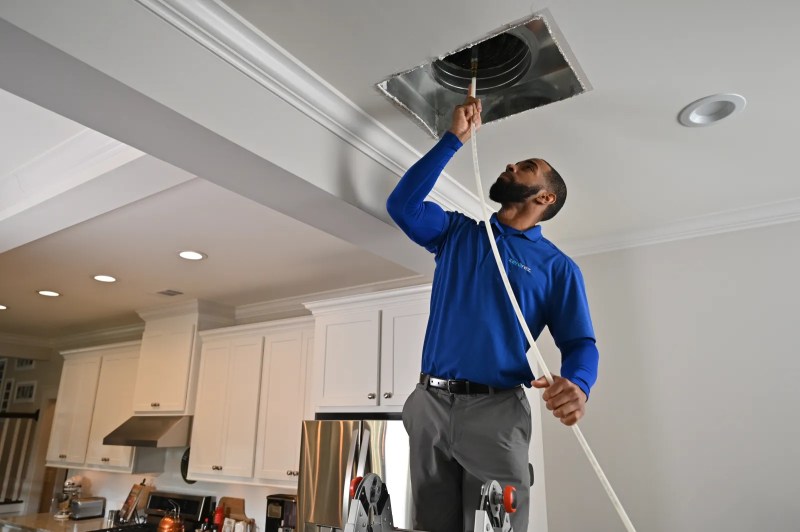
The process of how to clean AC duct work is segmented into three phases: assessment, cleaning, and post-maintenance verification. Assessment begins with a visual inspection of accessible ducts, vents, and registers to identify blockages, mold, or excessive debris accumulation. Professional technicians use borescopes—flexible cameras—to inspect hidden sections, while DIY enthusiasts rely on flashlights and vacuum attachments. The cleaning phase varies by method: high-velocity air whips dislodge debris, while chemical treatments target microbial growth. Post-cleaning, a thorough inspection ensures no residue remains, and airflow tests confirm restoration of system efficiency.Misconceptions about how to clean AC duct work persist, particularly the belief that regular cleaning is unnecessary unless visible mold appears. However, the EPA and HVAC industry standards recommend cleaning every 3–5 years for residential systems, or annually for homes with pets, smokers, or allergy sufferers. The cost of professional cleaning ($300–$600) pales in comparison to the long-term expenses of repairing a compromised HVAC system or treating health issues linked to poor air quality. For those considering DIY approaches, tools like rotary brushes, duct cleaning robots, and high-powered vacuums are essential, but they require precision to avoid damaging ductwork.
Historical Background and Evolution
The concept of how to clean AC duct work evolved alongside HVAC systems themselves. Early 20th-century buildings relied on gravity-fed ventilation, where dust settled naturally in ducts. The advent of forced-air systems in the 1950s introduced a new challenge: circulating dust and pollutants throughout homes. By the 1970s, energy crises spurred interest in system efficiency, leading to the first standardized duct cleaning protocols. The National Air Duct Cleaners Association (NADCA) was founded in 1993 to establish best practices, including the use of negative air pressure systems to contain contaminants during cleaning.Modern approaches to how to clean AC duct work integrate technology and environmental science. High-efficiency particulate air (HEPA) vacuums, UV-C light treatments, and antimicrobial coatings are now standard in professional services. These innovations address not just particulate removal but also microbial control—a critical advancement given the rise of indoor air quality awareness. The shift from reactive (cleaning after visible damage) to proactive (scheduled maintenance) reflects broader trends in preventive home care, where ductwork is treated as an integral part of a home’s infrastructure, not an afterthought.
Core Mechanisms: How It Works
The physics of how to clean AC duct work hinges on two principles: particulate dislodgment and containment. High-velocity air whips—powered by industrial vacuums—create turbulence that detaches debris from duct walls, while negative air pressure systems ensure contaminants are captured rather than redistributed. For microbial growth, chemical treatments (e.g., hydrogen peroxide or ozone) break down organic matter, while UV-C light disrupts DNA in mold spores, rendering them inert. The process is meticulous: technicians must seal off sections to prevent cross-contamination and use HEPA filtration to trap sub-micron particles that standard filters miss.Table of Contents
- The Complete Overview of How to Clean AC Duct Work
- Historical Background and Evolution
- Core Mechanisms: How It Works
- Key Benefits and Crucial Impact
- Major Advantages
- Comparative Analysis
- Future Trends and Innovations
- Conclusion
- Comprehensive FAQs
- Q: How often should I clean my AC ducts?
- Q: Can I clean my ducts myself, or should I hire a professional?
- Q: What tools do I need for DIY duct cleaning?
- Q: Does cleaning ducts improve my HVAC system’s efficiency?
- Q: How do I know if my ducts need cleaning?
- Q: Are there eco-friendly options for duct cleaning?
- Q: Can mold in ducts cause health problems?
- Q: How long does professional duct cleaning take?
- Q: Will cleaning my ducts help with allergies?
- Q: Are there any risks associated with duct cleaning?
DIY methods simplify the process but lack precision. Rotary brushes, for instance, physically scrub surfaces but may leave residue if not paired with a strong vacuum. Duct cleaning robots, though innovative, are limited by duct geometry and may miss tight turns or side branches. The key to effective how to clean AC duct work lies in balancing mechanical action with containment—whether through professional-grade equipment or carefully executed DIY protocols. For example, sealing vents with plastic sheeting before cleaning prevents debris from re-entering living spaces, while a HEPA vacuum ensures captured particles aren’t expelled back into the air.
Key Benefits and Crucial Impact
The decision to address how to clean AC duct work isn’t just about immediate results—it’s an investment in long-term system health and household well-being. Clean ducts improve HVAC efficiency by up to 40%, translating to lower energy bills and reduced wear on components like compressors and blower motors. Beyond cost savings, the health implications are profound: the EPA links duct-borne contaminants to respiratory illnesses, headaches, and fatigue. For families with allergies or asthma, clean ducts can mean the difference between symptom management and relief. Even in commercial settings, such as offices or retail spaces, duct maintenance directly impacts air quality and employee productivity.The psychological impact of improved air quality is often overlooked. Stagnant, polluted air contributes to a sense of discomfort or "sick building syndrome," where occupants experience non-specific symptoms like irritation or lethargy. Addressing how to clean AC duct work restores a sense of control over indoor environments, aligning with the growing trend of "wellness real estate." Homeowners who prioritize duct cleaning report better sleep, reduced allergy flare-ups, and a more pleasant living atmosphere. The ripple effects extend to property value—well-maintained HVAC systems are a selling point in competitive real estate markets.
"Duct cleaning isn’t a luxury; it’s a foundational element of indoor air hygiene. The ducts are the lungs of your home, and like any vital organ, they require regular care to function optimally." — Dr. Lisa Reynolds, Indoor Air Quality Specialist, EPA Advisory Panel
Major Advantages
- Improved HVAC Efficiency: Clean ducts reduce airflow resistance, allowing systems to operate at peak performance with lower energy consumption. Studies show a 10–25% reduction in energy costs post-cleaning.
- Enhanced Air Quality: Removal of dust, pollen, and mold spores reduces airborne allergens by up to 60%, benefiting respiratory health and reducing triggers for conditions like asthma.
- Extended System Lifespan: Reduced strain on HVAC components (e.g., motors, coils) delays costly repairs or replacements, potentially adding years to the system’s operational life.
- Mold and Mildew Prevention: Professional cleaning includes antimicrobial treatments that inhibit regrowth, a critical factor in preventing structural damage and health risks.
- Odor Elimination: Stagnant air and microbial growth often produce musty smells. Cleaning ducts removes the source of odors, unlike masking sprays that provide temporary relief.

Comparative Analysis
| Professional Cleaning | DIY Cleaning |
|---|---|
|
|
| Best For: | Best For: |
| Large systems, commercial properties, or homes with severe contamination. | Minor maintenance, small systems, or budget-conscious homeowners. |
Future Trends and Innovations
The future of how to clean AC duct work is being shaped by advancements in robotics and smart HVAC systems. Autonomous duct cleaning robots, equipped with AI-driven navigation and real-time debris detection, are poised to replace manual labor in residential and commercial settings. Companies like Ductz and ServiceMaster are already testing drones with brushes and cameras to map and clean ducts without human intervention. These systems promise higher precision and lower labor costs, though adoption will depend on consumer trust in automation.Another emerging trend is the integration of IoT sensors into HVAC systems. Smart thermostats like Nest already monitor air quality, but future iterations may include duct health diagnostics—alerting homeowners when particulate levels exceed thresholds or when microbial growth is detected. Pairing these sensors with automated cleaning schedules could revolutionize maintenance, shifting from reactive to predictive care. Additionally, eco-friendly cleaning agents, such as plant-based antimicrobials, are gaining traction as homeowners seek non-toxic solutions. The convergence of these technologies may soon make how to clean AC duct work a seamless, data-driven process rather than a periodic chore.

Conclusion
The decision to prioritize how to clean AC duct work is a testament to modern living’s emphasis on health, efficiency, and sustainability. What was once a neglected aspect of home maintenance has evolved into a cornerstone of indoor environmental quality. The data is clear: clean ducts mean lower bills, better health, and a longer lifespan for HVAC systems. Yet, the challenge remains in translating this knowledge into action—many homeowners still treat duct cleaning as an optional expense rather than a necessity.For those ready to take control, the process begins with education. Understanding the mechanics of how to clean AC duct work, whether through professional services or informed DIY efforts, empowers homeowners to make decisions that align with their health and financial goals. The tools and techniques are within reach; the question is whether the value of clean air and energy savings will outweigh the inertia of neglect. In an era where indoor air quality rivals outdoor pollution as a public health concern, the answer is increasingly obvious: proactive duct maintenance isn’t just smart—it’s essential.
Comprehensive FAQs
Q: How often should I clean my AC ducts?
A: The NADCA recommends cleaning every 3–5 years for residential systems, but homes with pets, smokers, or allergy sufferers should schedule annual inspections. Signs like increased dust, musty odors, or reduced airflow warrant immediate attention.
Q: Can I clean my ducts myself, or should I hire a professional?
A: DIY methods work for minor maintenance (e.g., vacuuming accessible vents), but professional cleaning is ideal for deep contamination, mold, or large systems. Professionals use specialized tools like HEPA vacuums and negative air pressure to prevent cross-contamination.
Q: What tools do I need for DIY duct cleaning?
A: Essential tools include a high-powered vacuum with a HEPA filter, a rotary brush or duct cleaning robot, microfiber cloths, and protective gear (gloves, mask). For microbial growth, hydrogen peroxide or ozone generators (used carefully) can be effective.
Q: Does cleaning ducts improve my HVAC system’s efficiency?
A: Yes. The EPA estimates that clean ducts can improve airflow by 10–25%, reducing energy consumption and lowering utility bills. Restored efficiency also reduces strain on components, extending the system’s lifespan.
Q: How do I know if my ducts need cleaning?
A: Watch for visible dust around vents, persistent musty odors, increased allergy symptoms, or reduced airflow. A professional can also perform an inspection using a borescope to detect hidden mold or debris buildup.
Q: Are there eco-friendly options for duct cleaning?
A: Yes. Look for professional services that use plant-based antimicrobials or UV-C light instead of harsh chemicals. DIY options include vinegar solutions (for mild cleaning) or HEPA vacuums that capture particles without chemical residue.
Q: Can mold in ducts cause health problems?
A: Absolutely. Mold spores in ducts can trigger respiratory issues like asthma, allergies, and even infections in immunocompromised individuals. Professional cleaning often includes antimicrobial treatments to prevent regrowth.
Q: How long does professional duct cleaning take?
A: The duration depends on system size and contamination level. Small homes may take 2–4 hours, while large commercial systems or heavily clogged ducts can require a full day. Always schedule during off-peak hours to minimize disruption.
Q: Will cleaning my ducts help with allergies?
A: Yes. Ducts often harbor allergens like dust mites, pet dander, and pollen. Cleaning removes these triggers, reducing symptoms for allergy sufferers. Pair duct cleaning with regular filter changes and whole-home air purifiers for optimal results.
Q: Are there any risks associated with duct cleaning?
A: Improper cleaning can redistribute contaminants if not contained properly. DIY errors (e.g., damaging ducts with aggressive tools) may also void warranties. Always follow manufacturer guidelines or hire certified professionals to mitigate risks.
Leave a Comment
Comments are moderated before appearing. The data you submit is processed according to the Privacy Policy of Bevvy.