Why Do I Have So Many Flies in My House? The Hidden Truth Behind Your Pest Problem
Your kitchen counter is sticky with fruit flies buzzing in lazy circles. The garbage bin emits a faint, fermenting stench. You’ve sprayed every corner with insecticide, yet the problem persists: why do I have so many flies in my house? The answer isn’t just about trash or dirty dishes—it’s a complex interplay of biology, human behavior, and environmental cues most homeowners overlook. Flies aren’t just attracted to your home; they’re invited by subtle signals you might not notice until it’s too late.
Consider this: a single female fly can lay up to 500 eggs in her lifetime, and those eggs hatch in as little as 24 hours under ideal conditions. If your home provides those conditions—warmth, moisture, and organic decay—you’re not just dealing with a few stragglers. You’re hosting a breeding ground. The question then shifts from why do I have so many flies in my house to how did my home become their perfect ecosystem? The clues are everywhere, from the way you store food to the unseen cracks in your foundation.
Flies thrive on chaos. A spilled soda here, a forgotten takeout container there, and suddenly your living space transforms into a five-star resort for these winged intruders. The worst part? Most fly infestations aren’t random. They’re the result of patterns—patterns in your habits, your home’s structure, even the seasons. Ignore these patterns, and the flies will keep coming. But understand them, and you hold the power to turn your home into a no-fly zone.
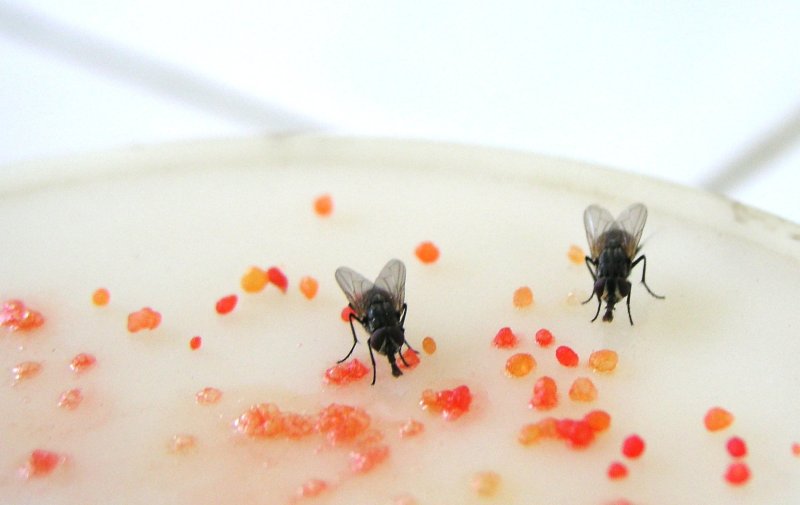
The Complete Overview of Why Do I Have So Many Flies in My House
The presence of flies in your home is rarely a coincidence. It’s a symptom of an underlying issue—one that often starts with neglect. Flies, particularly house flies (Musca domestica) and fruit flies (Drosophila melanogaster), are opportunistic scavengers. They don’t just land on trash; they’re drawn to the process of decay. A half-eaten apple left on the counter isn’t just food—it’s a beacon. A damp rag in the sink isn’t just moisture—it’s a breeding site. Your home, in its current state, is essentially a buffet with all-you-can-eat access.
The problem deepens when you consider that flies don’t just infest kitchens. They exploit weaknesses in your home’s structure—gaps in screens, cracks in windows, even the smallest tear in a door seal. These entry points aren’t just for flies; they’re for their larvae, too. If your home has standing water (a clogged drain, a leaky pipe) or rotting organic matter (compost piles, pet food left out), you’ve created a fly nursery. The question why do I have so many flies in my house isn’t just about the flies you see—it’s about the invisible infrastructure supporting their lifecycle.
Historical Background and Evolution
Flies have shared our planet for over 200 million years, long before humans built the first cities. Their evolution is a study in survival: adaptable, resilient, and relentless. Early humans likely first noticed flies as pests when they began storing food in sealed spaces—only to find those spaces quickly colonized. Ancient civilizations developed early pest control methods, from flypaper in China to the use of herbs like basil and mint in Mediterranean cultures. Even then, the core principle was the same: eliminate the conditions that attract flies.
Table of Contents
- The Complete Overview of Why Do I Have So Many Flies in My House
- Historical Background and Evolution
- Core Mechanisms: How It Works
- Key Benefits and Crucial Impact
- Major Advantages
- Comparative Analysis
- Future Trends and Innovations
- Conclusion
- Comprehensive FAQs
- Q: Why do I have so many flies in my house even after cleaning?
- Q: Can flies come from outside, or do they breed inside?
- Q: Are some flies worse than others in terms of infestations?
- Q: How quickly can a fly infestation grow out of control?
- Q: What’s the most effective long-term solution to keep flies out?
Modern fly infestations, however, are a product of urbanization and convenience. Sealed garbage bins, indoor plumbing, and centralized food storage might seem like progress, but they’ve also created ideal conditions for flies. A leaky faucet in a basement might seem minor, but to a fly, it’s a year-round water source. Similarly, the rise of single-use plastics has led to more food waste—more waste means more flies. The historical lesson is clear: flies exploit human systems, and the more complex our living spaces become, the more opportunities they find to thrive.
Core Mechanisms: How It Works
The lifecycle of a fly is a masterclass in efficiency. Eggs hatch into larvae (maggots) within days, pupate, and emerge as adults in just two weeks under optimal conditions. This rapid reproduction is why a single fly can become hundreds in a matter of weeks. The key trigger? Organic matter. Flies are drawn to anything fermenting, rotting, or decomposing—think overripe fruit, spoiled meat, even pet waste. Your home’s humidity levels also play a role; flies prefer environments with 50-80% relative humidity, making basements and bathrooms prime real estate.
But it’s not just about food and water. Flies are also attracted to light, warmth, and carbon dioxide—meaning they’re drawn to your living spaces like moths to a flame. A poorly sealed window isn’t just an entry point; it’s an invitation. Once inside, flies leave behind eggs and larvae in hidden crevices, ensuring the next generation is already on site. The result? A self-sustaining cycle where your home becomes a fly farm without you even realizing it. Understanding this cycle is the first step to breaking it.
Key Benefits and Crucial Impact
Addressing why do I have so many flies in my house isn’t just about aesthetics—it’s about health, safety, and even structural integrity. Flies are vectors for disease, carrying bacteria like E. coli and Salmonella on their bodies. A single fly can contaminate food, surfaces, and even your hands after landing. Beyond health risks, flies can damage property, laying eggs in wood, fabric, and insulation. The longer an infestation goes unchecked, the more it costs—both in cleanup and potential repairs.
Yet the impact goes deeper. A fly-infested home can lower property value, deter guests, and create long-term stress. The psychological toll of seeing flies swarm around your food or nest in your curtains is undeniable. The good news? Proactive measures don’t just eliminate flies—they improve your home’s overall hygiene, reduce waste, and create a more comfortable living environment. The question isn’t whether you can afford to fix the problem; it’s whether you can afford not to.
— Entomologist Dr. Emily Carter
"Flies don’t just invade homes—they exploit them. The moment you ignore a small infestation, you’re giving them permission to take over. The solution isn’t just about killing flies; it’s about redesigning your home’s ecosystem so it’s no longer inviting."
Major Advantages
- Health Protection: Eliminating fly breeding sites reduces exposure to pathogens like Cholera and Dysentery, which flies can transmit through contact.
- Cost Savings: Preventing infestations avoids expensive extermination services and potential property damage from larval activity.
- Improved Hygiene: Addressing moisture and decay points (like leaky pipes) enhances overall cleanliness, benefiting respiratory health.
- Structural Integrity: Flies and larvae can weaken wood and insulation over time; early intervention prevents long-term structural issues.
- Peace of Mind: A fly-free home reduces stress and improves quality of life, making daily activities more enjoyable.

Comparative Analysis
| Factor | House Flies (Musca domestica) | Fruit Flies (Drosophila melanogaster) |
|---|---|---|
| Primary Attraction | Decaying meat, garbage, pet waste | Overripe fruit, fermenting liquids, alcohol |
| Breeding Sites | Damp organic matter, compost, drains | Fruit peels, spills, damp rags |
| Lifecycle Speed | 7–10 days (egg to adult) | 3–7 days (faster in warm conditions) |
| Health Risks | High (disease vectors) | Moderate (less direct but still contaminates food) |
Future Trends and Innovations
The battle against flies is evolving with technology. Traditional methods like flypaper and sprays are being replaced by smarter solutions, such as UV light traps and pheromone-based lures that disrupt mating cycles. AI-driven pest monitoring systems can now detect early signs of infestations by analyzing air quality and moisture levels. Meanwhile, eco-friendly alternatives—like beneficial nematodes that target fly larvae—are gaining traction as homeowners seek chemical-free solutions.
Looking ahead, the focus will likely shift to preventive design. Homes may incorporate better ventilation systems, self-sealing trash bins, and even fly-repellent plants integrated into landscaping. The goal isn’t just to kill flies but to make homes inherently unwelcoming to them. As urbanization continues, the line between indoor and outdoor spaces will blur, making integrated pest management (IPM) strategies more critical than ever. The future of fly control isn’t about eradication—it’s about creating environments where flies simply can’t survive.

Conclusion
The answer to why do I have so many flies in my house isn’t a mystery—it’s a pattern, one that starts with neglect and compounds with time. Every spilled drink, every unsealed trash bin, every ignored leak is an open invitation to flies. But the good news is that you’re in control. By addressing the root causes—moisture, decay, and entry points—you can transform your home into a space that flies actively avoid. It’s not about living in fear of the next infestation; it’s about reclaiming your space with intentional hygiene and design.
Start small: check your drains, store food properly, and seal gaps. Then expand—audit your home’s structure, invest in preventive tools, and stay vigilant. The flies won’t go away overnight, but with persistence, you’ll create a home that’s no longer their sanctuary. The question why do I have so many flies in my house is the first step toward the solution. The rest is up to you.
Comprehensive FAQs
Q: Why do I have so many flies in my house even after cleaning?
A: Cleaning surfaces removes visible food sources, but flies are drawn to hidden breeding sites—like damp rags, clogged drains, or rotting organic matter in basements. A thorough inspection of trash bins, pet areas, and moisture-prone zones is essential. Flies may also be entering through gaps in screens or windows, so sealing entry points is critical.
Q: Can flies come from outside, or do they breed inside?
A: Both. Flies often enter through open doors, windows, or tears in screens, but they breed indoors if conditions (food, water, warmth) are favorable. A single female fly can lay hundreds of eggs, so even a few stragglers can become a full-blown infestation if left unchecked. Preventing entry and eliminating breeding sites is key.
Q: Are some flies worse than others in terms of infestations?
A: Yes. House flies (Musca domestica) are more aggressive breeders and disease carriers, while fruit flies (Drosophila) multiply faster but pose lower health risks. Cluster flies and drain flies also behave differently—cluster flies overwinter indoors, while drain flies thrive in moist, greasy environments like sinks and garbage disposals.
Q: How quickly can a fly infestation grow out of control?
A: Astonishingly fast. Under ideal conditions (warmth, moisture, abundant food), a single pair of house flies can produce over 375,000 offspring in a month. Fruit flies reproduce even faster, with some species completing their lifecycle in just 3–7 days. This is why early intervention is crucial—what starts as a nuisance can become unmanageable in weeks.
Q: What’s the most effective long-term solution to keep flies out?
A: A multi-pronged approach works best:
- Eliminate breeding sites (seal trash, fix leaks, remove decaying matter).
- Prevent entry (install fine mesh screens, repair cracks, use door sweeps).
- Use traps (UV light traps, pheromone lures, or DIY vinegar traps).
- Maintain cleanliness (wipe counters daily, store food properly, clean drains).
Leave a Comment
Comments are moderated before appearing. The data you submit is processed according to the Privacy Policy of Bevvy.