What Defines Generation X: The Forgotten Bridge Between Boomers and Millennials
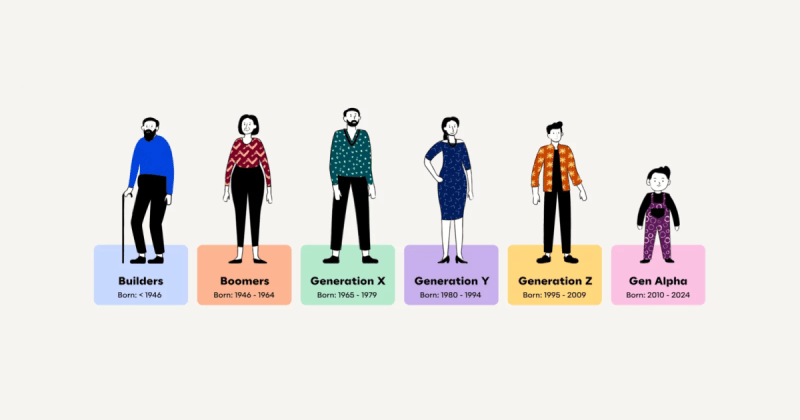
Generation X—those born between 1965 and 1980—has long been the unsung hero of generational studies. Sandwiched between the idealistic Baby Boomers and the tech-native Millennials, Gen Xers carved their identity amid economic instability, cultural upheaval, and the rise of digital revolution. They were the first to grow up with both analog and early digital technologies, shaping a worldview that balanced skepticism with pragmatism. While Millennials are celebrated for their digital fluency and Boomers for their post-war ambition, what defines Generation X is their quiet resilience, their mastery of adaptability, and their role as the bridge between two vastly different eras.
This cohort came of age during the fall of the Berlin Wall, the rise of AIDS activism, and the dot-com boom—experiences that forged a generation known for its independence, self-reliance, and dry humor. They entered the workforce during the Reagan-Thatcher era, witnessed the collapse of the Soviet Union, and navigated the transition from floppy disks to smartphones. Unlike their Boomer predecessors, who were shaped by collective movements, or Millennials, who embraced instant connectivity, Gen Xers were the lone wolves of their time—relying on their own wit, resourcefulness, and a healthy dose of cynicism to survive. Their defining traits—work ethic, financial prudence, and a distrust of authority—were not born from privilege but from necessity.
Yet, despite their influence, Gen X remains the most misunderstood generation. They are neither the nostalgic Boomers nor the entitled Millennials; they are the generation that built the modern world, from the early internet to the gig economy. Their story is one of quiet revolution—proving that success isn’t about grand gestures but about enduring, innovating, and leaving a legacy without fanfare. To truly understand what defines Generation X, one must examine not just their birth years but the crucible of history, economics, and culture that forged them.

The Complete Overview of What Defines Generation X
Generation X is often dismissed as the "forgotten generation," caught between the idealism of Boomers and the digital obsession of Millennials. Yet, their defining characteristics—pragmatism, skepticism, and self-sufficiency—were not accidental but a direct response to the turbulent times they navigated. Born during the tail end of the Cold War and coming of age in the 1980s and 1990s, Gen Xers were the first to experience the full weight of globalization, economic volatility, and the collapse of traditional institutions. Their worldview was shaped by the Vietnam War’s aftermath, the AIDS crisis, and the rise of corporate greed—factors that instilled in them a deep-seated distrust of authority and a preference for autonomy.What truly sets them apart is their ability to thrive in ambiguity. While Boomers relied on institutional stability and Millennials embraced flexibility, Gen Xers mastered the art of adaptive resilience. They were the first to juggle multiple jobs, the first to see the internet as both a tool and a threat, and the first to question the unchecked optimism of their parents. Their cultural fingerprint is visible in everything from grunge music to the rise of indie films, from the decline of traditional unions to the birth of the freelance economy. Unlike other generations, Gen X did not seek validation through collective movements; instead, they built their own paths—often alone.
Historical Background and Evolution
The term "Generation X" was popularized by author Douglas Coupland in his 1991 novel Generation X: Tales for an Accelerated Culture, though the cohort had already been informally recognized by sociologists like William Strauss and Neil Howe. The generation’s name—inspired by the unknown variable in mathematics—reflected their status as an afterthought in generational studies. Born between the post-war boom and the digital revolution, Gen Xers grew up in households where both parents often worked, leading to a greater emphasis on self-reliance. Unlike Boomers, who benefited from strong labor unions and economic prosperity, Gen X faced stagnant wages, outsourcing, and the rise of the gig economy long before it became mainstream.Their formative years were marked by three defining crises: the 1987 stock market crash, the 1990s recession, and the 2000 dot-com bubble. These events reinforced their skepticism toward financial systems and corporate promises. Unlike Millennials, who entered the workforce during the Great Recession, Gen Xers had already learned that loyalty to a single employer was a myth. They became the architects of the "portfolio career," blending freelance work with traditional employment—a model that would later define the modern workforce. Their adaptability wasn’t just a survival tactic; it became their superpower.
Core Mechanisms: How It Works
At its core, what defines Generation X is a mindset forged by necessity. Unlike Boomers, who trusted institutions, or Millennials, who sought purpose-driven work, Gen Xers developed a pragmatic individualism. They entered the workforce during an era of downsizing, outsourcing, and the death of pensions, forcing them to become their own HR departments. This self-reliance extended to their personal lives: they were the first generation to embrace divorce as a norm, to question traditional gender roles, and to prioritize work-life balance over corporate loyalty.Table of Contents
- The Complete Overview of What Defines Generation X
- Historical Background and Evolution
- Core Mechanisms: How It Works
- Key Benefits and Crucial Impact
- Major Advantages
- Comparative Analysis
- Future Trends and Innovations
- Conclusion
- Comprehensive FAQs
- Q: How does Generation X differ from Millennials in the workplace?
- Q: Why is Generation X called the "forgotten generation"?
- Q: What role did Generation X play in the digital revolution?
- Q: How does Generation X approach parenting compared to Boomers?
- Q: What economic challenges did Generation X face that Boomers didn’t?
- Q: How will Generation X shape the future of work?
Their relationship with technology is another defining factor. While Millennials grew up with the internet, Gen Xers invented the digital revolution. They were the early adopters of personal computers, the pioneers of dial-up, and the first to see the internet as both a tool for liberation and a source of distraction. This duality shaped their approach to work—efficient but not obsessed, connected but not addicted. They understood early on that technology was a means to an end, not an end in itself. This balance between analog and digital is perhaps their greatest legacy.
Key Benefits and Crucial Impact
Generation X’s influence is often underestimated, yet their impact on modern society is profound. They were the first to normalize remote work, the first to treat side hustles as viable income streams, and the first to demand flexibility from employers. Their work ethic—rooted in necessity rather than idealism—has redefined productivity in the 21st century. While Boomers saw jobs as lifelong commitments and Millennials sought meaning in work, Gen Xers treated careers as projects, constantly evolving to stay relevant. This mindset has made them the most adaptable workforce in history, capable of pivoting from corporate roles to entrepreneurship overnight.Their cultural contributions are equally significant. Gen X gave the world grunge, indie rock, and a skepticism toward mainstream media that would later shape the rise of alternative journalism. They were the first to reject the excesses of the 1980s yuppie culture, opting instead for minimalism, irony, and a DIY ethos. Their influence is visible in everything from the rise of craft beer to the popularity of vinyl records, from the decline of traditional retail to the boom of e-commerce. In many ways, Gen X invented the modern lifestyle—proving that success isn’t about conforming but about creating your own rules.
"Generation X is the generation that had to figure it out as they went along. They didn’t have the safety net of their parents’ generation, nor the digital playground of the next. They built their own net—and then taught others how to climb it." — Sociologist Jean M. Twenge
Major Advantages
Understanding what defines Generation X reveals a cohort with distinct advantages in today’s world:- Unmatched Adaptability: Gen Xers thrived in economic instability, making them the most resilient workforce. Their ability to pivot—from corporate jobs to freelancing, from analog to digital—is unparalleled.
- Pragmatic Leadership: Unlike Boomers (who rely on hierarchy) or Millennials (who seek mentorship), Gen X leaders combine authority with approachability, bridging generational gaps in the workplace.
- Financial Resilience: Having lived through multiple recessions, they prioritize savings, debt avoidance, and multiple income streams—a model now adopted by younger generations.
- Digital-Native Pragmatism: They were early tech adopters but never lost their skepticism, making them the ideal mediators between analog and digital cultures.
- Cultural Innovation: From grunge to indie film, Gen X redefined counterculture without the idealism of the Boomers or the activism of Millennials. Their influence is subtle but pervasive.

Comparative Analysis
To fully grasp what defines Generation X, it’s essential to compare them with adjacent cohorts:| Trait | Generation X (1965-1980) | Baby Boomers (1946-1964) | Millennials (1981-1996) |
|---|---|---|---|
| Work Ethic | Self-reliant, project-based, values flexibility over loyalty | Institutional loyalty, long-term careers, hierarchical | Purpose-driven, seeks work-life balance, values feedback |
| Technology Adoption | Early adopters, pragmatic users, balances analog/digital | Late adopters, prefers traditional methods | Digital natives, expects instant connectivity |
| Financial Mindset | Savings-focused, multiple income streams, debt-averse | Homeownership as security, pension-dependent | Student debt-conscious, values experiences over assets |
| Cultural Identity | DIY ethos, skepticism of authority, ironic humor | Collective movements, institutional trust | Activism, social media-driven, values diversity |
Future Trends and Innovations
As Generation X continues to dominate the workforce, their influence will only grow. With the largest share of disposable income and the most stable careers, they are poised to shape the next decade of business, politics, and culture. Their pragmatic approach to technology—neither resistant nor obsessive—will continue to define how older generations interact with digital tools. Additionally, their financial resilience will make them key players in the gig economy’s evolution, as they leverage their experience to mentor younger workers without falling into the "side hustle trap."Culturally, Gen X’s legacy will be in their ability to bridge gaps—between analog and digital, between corporate and creative, between tradition and innovation. As Millennials and Gen Z seek meaning in work, Gen X will remain the voice of reason, reminding them that success isn’t about grand gestures but about sustainable, adaptable strategies. Their future impact lies in their ability to pass on their hard-earned lessons: that resilience is more valuable than optimism, and that the best way to navigate uncertainty is to build your own safety net.
Conclusion
Generation X is often called the "lost generation," but in truth, they are the most strategic cohort in history. What defines Generation X is not nostalgia or entitlement but a relentless pursuit of independence, a mastery of adaptability, and an unshakable belief in self-reliance. They did not inherit the world; they rebuilt it. From the fall of the Berlin Wall to the rise of the gig economy, they proved that success isn’t about fitting into a mold but about creating your own rules.Their story is a reminder that the most influential generations are not those who follow trends but those who set them—quietly, efficiently, and without fanfare. As the world becomes more volatile, Gen X’s lessons in resilience, pragmatism, and innovation will be more relevant than ever. They didn’t ask for a seat at the table; they built their own.
Comprehensive FAQs
Q: How does Generation X differ from Millennials in the workplace?
Gen X values flexibility, autonomy, and results over corporate hierarchy, while Millennials prioritize purpose, feedback, and work-life balance. Gen Xers are more likely to treat work as a project rather than a lifelong commitment, whereas Millennials seek meaningful engagement from their employers.
Q: Why is Generation X called the "forgotten generation"?
The term stems from their position between Boomers (who dominated post-war culture) and Millennials (who embraced digital innovation). Sociologists initially overlooked them, and media narratives often framed them as the "slacker" generation—ignoring their resilience and adaptability.
Q: What role did Generation X play in the digital revolution?
Gen Xers were the first to adopt personal computers, dial-up internet, and early online communities. Unlike Boomers (who resisted tech) or Millennials (who grew up with it), they treated technology as a tool—not an obsession—balancing digital efficiency with analog pragmatism.
Q: How does Generation X approach parenting compared to Boomers?
Gen X parents are more hands-off and value independence, often raising kids with less structured discipline. Boomers, in contrast, tended toward authoritarian parenting, emphasizing rules and hierarchy. Gen X’s approach reflects their own self-reliance and skepticism of traditional authority.
Q: What economic challenges did Generation X face that Boomers didn’t?
Boomers benefited from strong labor unions, pensions, and post-war economic growth. Gen X entered the workforce during downsizing, outsourcing, and the death of pensions, forcing them to become their own HR departments—mastering freelancing, side hustles, and financial self-sufficiency.
Q: How will Generation X shape the future of work?
As the most experienced digital workforce, Gen X will continue to mentor younger generations while leveraging their adaptability in the gig economy. Their financial resilience and project-based mindset will redefine remote work, leadership, and career longevity in the 21st century.
Leave a Comment
Comments are moderated before appearing. The data you submit is processed according to the Privacy Policy of Bevvy.