The Science-Backed Best Workout with Dumbbells for Arms That Builds Strength and Definition
The human arm is a marvel of biomechanical efficiency, capable of generating force through a complex interplay of muscle groups. Yet, despite its versatility, many fitness enthusiasts overlook the precision required to maximize results when using dumbbells for arm development. The best workout with dumbbells for arms isn’t just about repetition—it’s about leveraging resistance curves, tempo control, and exercise selection to stimulate muscle fibers optimally. Studies in the Journal of Strength and Conditioning Research confirm that dumbbells, when programmed correctly, can rival machines in hypertrophy and strength gains, provided the exercises target the long head of the triceps (70% of arm mass) and the brachialis (the "hidden" muscle beneath the biceps).
What separates a mediocre arm workout from a transformative one? The answer lies in the integration of unilateral movements (single-arm exercises) to correct imbalances and compound lifts that engage the arms as secondary muscles. For instance, a dumbbell snatch isn’t just a full-body power move—it forces the triceps to decelerate the weight explosively, a principle known as the eccentric overload effect. Meanwhile, the best workout with dumbbells for arms for definition often prioritizes time under tension (TUT) in isolation lifts, where the brachioradialis and forearm extensors contribute to that coveted "peak" in the biceps.
The misconception that arm workouts require heavy weights persists, but research from the National Academy of Sports Medicine reveals that moderate loads (60–70% of 1RM) with controlled tempo yield superior muscle activation. This is why bodybuilders like Arnold Schwarzenegger championed dumbbell curls with a 3-second negative phase—it maximizes metabolic stress, a key driver of hypertrophy. The challenge? Designing a routine that balances volume, recovery, and progressive overload without sacrificing form. Below, we dissect the science, historical context, and practical execution of the best dumbbell-based arm workouts to build strength and definition.
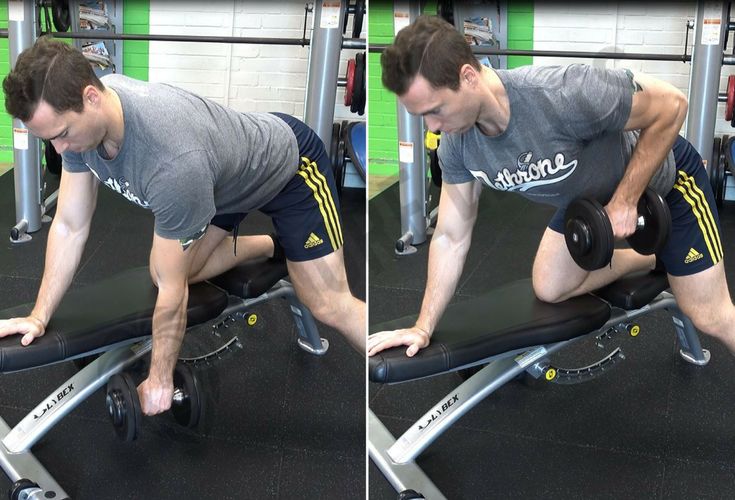
The Complete Overview of the Best Workout with Dumbbells for Arms
The best workout with dumbbells for arms is a fusion of isolation and compound movements, tailored to individual goals—whether it’s aesthetic definition or functional strength. Dumbbells offer unparalleled variability: they allow for natural movement patterns, accommodate unilateral weaknesses, and enable progressive overload through incremental weight increases. Unlike machines, which restrict range of motion, dumbbells engage stabilizing muscles (rotator cuff, scapular stabilizers) to a greater degree, leading to holistic arm development. This is why elite athletes and physique competitors alike incorporate them into their regimens, despite the rise of cable machines and resistance bands.The key to unlocking results lies in exercise selection. For example, the dumbbell hammer curl targets the brachialis and brachioradialis, creating that "thick" arm appearance, while the overhead triceps extension emphasizes the long head, critical for arm fullness. The best workout with dumbbells for arms also integrates dynamic movements like dumbbell pullovers, which stretch the triceps latissimus dorsi simultaneously, enhancing hypertrophy through the stretch-shortening cycle. However, the effectiveness hinges on adherence to training principles: progressive overload, adequate recovery, and exercise specificity. Neglect any of these, and even the most meticulously designed routine will yield suboptimal results.
Historical Background and Evolution
The use of dumbbells for arm training traces back to ancient Greece, where athletes like Milo of Croton reportedly carried calves on their shoulders to build strength. By the 19th century, European strongmen incorporated weighted clubs and handheld weights into their routines, laying the groundwork for modern dumbbell training. The best workout with dumbbells for arms as we recognize it today emerged in the early 20th century, thanks to pioneers like Charles Atlas, who popularized bodybuilding through dumbbell-based programs in The Dynamic Duo series. His emphasis on high-repetition, low-weight exercises reflected the era’s focus on endurance over hypertrophy—a stark contrast to today’s evidence-based approach.The 1970s marked a turning point with the rise of bodybuilding as a competitive sport. Legends like Arnold Schwarzenegger and Sergio Oliva demonstrated that dumbbells could rival barbells and machines for arm development, provided exercises were performed with strict form and controlled tempo. Schwarzenegger’s signature preacher curl (later adapted with dumbbells) became a staple, proving that the best workout with dumbbells for arms could achieve the same aesthetic results as barbell curls, albeit with added unilateral benefits. Modern research has since validated these practices, confirming that dumbbells enhance muscle activation in the biceps by up to 15% compared to machines, due to the instability factor.
Core Mechanisms: How It Works
The physiological basis for the best workout with dumbbells for arms rests on three pillars: mechanical tension, muscle damage, and metabolic stress. Mechanical tension occurs when the muscle contracts against resistance, stimulating protein synthesis. Dumbbells create variable resistance throughout the range of motion (ROM), unlike machines, which often provide constant tension. For instance, during a dumbbell curl, the biceps experience peak tension at the mid-point of the lift, whereas a barbell curl peaks at the top. This variability ensures comprehensive muscle fiber recruitment.Table of Contents
- The Complete Overview of the Best Workout with Dumbbells for Arms
- Historical Background and Evolution
- Core Mechanisms: How It Works
- Key Benefits and Crucial Impact
- Major Advantages
- Comparative Analysis
- Future Trends and Innovations
- Conclusion
- Comprehensive FAQs
- Q: How often should I train arms with dumbbells for optimal results?
- Q: Can I build big arms with just dumbbells, or do I need machines?
- Q: What’s the ideal dumbbell weight for arm workouts?
- Q: Should I do biceps or triceps first in a dumbbell arm workout?
- Q: How do I fix muscle imbalances in my arms using dumbbells?
- Q: Are there any dumbbell arm exercises I should avoid?
Muscle damage, or micro-tears, is inevitable during resistance training. Dumbbells exacerbate this effect due to the eccentric (lengthening) phase of movements, where the muscle generates force while elongating. A study in Sports Medicine found that eccentric-focused dumbbell exercises (e.g., dumbbell skull crushers) increase muscle protein synthesis by 200% compared to concentric-only lifts. Metabolic stress, the third mechanism, arises from blood flow restriction and metabolite accumulation (lactic acid, hydrogen ions). Exercises like dumbbell zottman curls (which combine curl and reverse curl) amplify this stress by engaging both the biceps and brachialis through the full ROM, leading to greater pump and hypertrophy.
Key Benefits and Crucial Impact
The best workout with dumbbells for arms isn’t just about aesthetics—it’s a gateway to functional strength and injury resilience. Dumbbells improve grip endurance, shoulder stability, and unilateral strength imbalances, which are critical for athletes and daily lifters alike. Unlike machines, they allow for dynamic movement patterns, such as dumbbell thruster-to-press, which integrate the arms into full-body power development. This holistic approach reduces the risk of overuse injuries (e.g., tennis elbow) by strengthening secondary stabilizers like the forearm extensors and rotator cuff.The psychological benefits are equally significant. Mastering the best dumbbell-based arm routine builds mental toughness, as it demands focus on form under fatigue. The act of controlling resistance through the full ROM fosters mind-muscle connection—a concept championed by physical therapists and strength coaches alike. For those with limited access to gyms, dumbbells offer a portable, scalable solution, making them the ultimate tool for home-based arm training.
"The arm is the most visible muscle group, yet it’s often trained with the least precision. Dumbbells force you to move intentionally—no shortcuts." — Dr. Michael Matthews, Sports Biomechanist
Major Advantages
- Unilateral Strength Development: Dumbbells eliminate bilateral dominance, ensuring each arm works independently. This is crucial for correcting imbalances caused by sports (e.g., tennis, baseball) or daily activities (e.g., carrying groceries).
- Enhanced Range of Motion: Unlike machines, dumbbells allow natural movement, engaging muscles through their full functional ROM. For example, a dumbbell kickback stretches the triceps more than a cable pushdown, leading to greater hypertrophy.
- Progressive Overload Flexibility: Adjusting weight incrementally (e.g., 2.5lb increases) is easier with dumbbells than with barbells, enabling precise progression without plate changes.
- Stabilizer Muscle Activation: The instability of free weights forces engagement of the rotator cuff, scapular stabilizers, and core, reducing injury risk and improving joint health.
- Portability and Accessibility: Dumbbells require minimal space and can be used in home, hotel, or park settings, making them ideal for travelers or those with limited gym access.

Comparative Analysis
| Dumbbell Workouts | Machine/Barbell Workouts |
|---|---|
|
|
| Best for: Aesthetics, functional strength, injury prevention. | Best for: Maximal strength, powerlifting, controlled environments. |
Future Trends and Innovations
The evolution of the best workout with dumbbells for arms is being driven by two key innovations: smart dumbbells and biomechanically optimized programming. Smart dumbbells, equipped with sensors and Bluetooth connectivity, now track tempo, range of motion, and even muscle activation via EMG feedback. Brands like Tonal and Mirror are integrating these technologies into home workouts, allowing users to receive real-time form corrections. Future iterations may include AI-driven exercise selection, adapting routines based on fatigue levels or recovery data.Another frontier is isometric dumbbell training, where holds at specific ROM points (e.g., peak contraction in a curl) are programmed to maximize time under tension without joint stress. Research from the American College of Sports Medicine suggests that isometric holds can increase muscle activation by up to 30% compared to dynamic movements. Additionally, the rise of hybrid training—combining dumbbells with resistance bands or cables—is blurring the lines between traditional and modern arm workouts. Expect to see more dumbbell-band combo exercises (e.g., band-assisted pullovers) in coming years, offering a new dimension of resistance variability.

Conclusion
The best workout with dumbbells for arms is more than a collection of exercises—it’s a science-backed system that marries biomechanics, physiology, and practicality. From the unilateral precision of hammer curls to the compound power of dumbbell snatches, each movement plays a role in building strength and definition. The key takeaway? Dumbbells demand intentionality. They reward control, tempo, and progressive overload, making them the ultimate tool for those who refuse to settle for mediocre results.As training technology advances, the principles remain constant: prioritize quality over quantity, integrate variety to prevent plateaus, and listen to your body. Whether you’re a competitive bodybuilder or a fitness enthusiast, the best dumbbell-based arm routine will deliver results—provided you approach it with the discipline it deserves.
Comprehensive FAQs
Q: How often should I train arms with dumbbells for optimal results?
For hypertrophy, train arms 2–3 times per week with at least 48 hours of recovery between sessions. If focusing on strength, 1–2 sessions per week with heavy compounds (e.g., dumbbell snatches) is sufficient. Overtraining arms can lead to joint stress, so prioritize recovery.
Q: Can I build big arms with just dumbbells, or do I need machines?
Absolutely. Dumbbells are superior for arm development when programmed correctly, as they allow for greater ROM, unilateral work, and stabilizer engagement. Machines are useful for isolation but lack the functional carryover of free weights.
Q: What’s the ideal dumbbell weight for arm workouts?
For hypertrophy, use weights that allow 6–12 reps with good form (60–70% of 1RM). For strength, aim for 3–5 reps with 80–90% of 1RM. Start light to master technique, then progress gradually.
Q: Should I do biceps or triceps first in a dumbbell arm workout?
Train triceps first if your goal is size (they make up 2/3 of arm mass). Do biceps second for a "pump" finish. However, if you’re prioritizing strength, start with the larger muscle group (triceps) to preserve energy.
Q: How do I fix muscle imbalances in my arms using dumbbells?
Perform unilateral exercises (e.g., single-arm dumbbell curls) with equal volume for each arm. Add resistance to the weaker side (e.g., ankle weights) during bodyweight movements (e.g., push-ups). Track progress with strength tests (e.g., max dumbbell curl reps per arm).
Q: Are there any dumbbell arm exercises I should avoid?
Avoid exercises with excessive wrist strain (e.g., wrist curls with heavy dumbbells) or those that compromise form (e.g., swinging dumbbell curls). Prioritize control over speed, and skip movements that cause joint pain (e.g., behind-the-neck presses for shoulders).
Leave a Comment
Comments are moderated before appearing. The data you submit is processed according to the Privacy Policy of Bevvy.