What Is a Pink Slip? The Hidden Meaning Behind Termination Papers
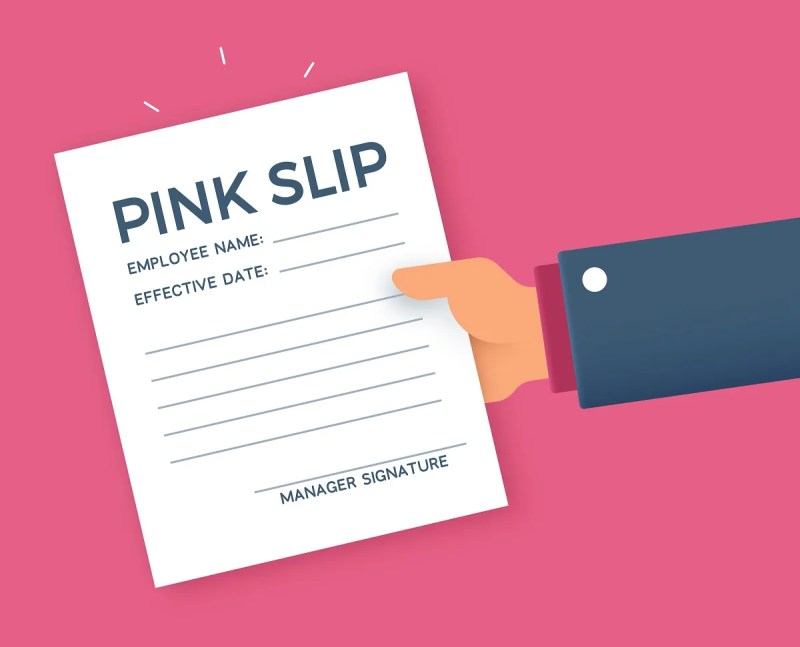
The pink slip looms over every employee, a silent threat in the modern workplace. While the term evokes images of abrupt firings and corporate betrayal, its origins trace back to a far less dramatic era—one where paper was scarce, and bureaucracy demanded efficiency. Today, what is a pink slip remains a question laden with anxiety, yet its meaning extends beyond mere job loss. It’s a legal artifact, a financial pivot point, and sometimes, a bargaining chip in negotiations. The document’s name itself carries weight: "pink" for its distinctive color (originally to distinguish it from other forms) and "slip" for its transient nature—a piece of paper that can alter lives in an instant.
Yet confusion persists. Many associate pink slip with severance packages or layoff notices, but its scope is broader. It can mark the end of a tenancy, the dissolution of a contract, or even the termination of a government benefit. The ambiguity fuels misconceptions, particularly in industries where employment is precarious. Understanding what a pink slip really means—its legal standing, its implications, and its historical context—is critical for anyone navigating professional or personal transitions. Without clarity, the document risks becoming a weapon of uncertainty, its true purpose obscured by fear.
The term "pink slip" has seeped into pop culture as shorthand for dismissal, but its formal definition is more nuanced. In labor law, it’s a termination notice, a written confirmation of an employer’s decision to end employment. Yet its reach extends to landlords, service providers, and even financial institutions. The document’s power lies in its dual role: as both a record and a trigger. One signed copy may sever ties; another may unlock severance or unemployment benefits. To demystify what is a pink slip in practice, we must dissect its origins, its mechanics, and its evolving role in an era of gig work and remote employment.

The Complete Overview of What Is a Pink Slip
A pink slip is a formal written notice indicating the termination of a professional, contractual, or tenancy agreement. While its name suggests a casual or even frivolous document, its legal and financial consequences are profound. In employment contexts, it serves as proof of job loss, often required to access severance pay, unemployment benefits, or professional references. Beyond the workplace, the term what is a pink slip can describe eviction notices, contract cancellations, or even vehicle title transfers in some regions. The document’s universality stems from its core function: to formalize an end and, in many cases, to outline next steps.The pink slip’s significance varies by jurisdiction, industry, and type of agreement. In the U.S., for example, an employer’s termination letter may include details like final pay, benefits continuation, or rehire eligibility—elements that shape an employee’s post-termination options. Meanwhile, in real estate, a pink slip might signal the end of a lease, complete with move-out deadlines or penalties. The ambiguity in what a pink slip entails often stems from its adaptability, making it essential to scrutinize its contents rather than assume its meaning based on context alone.
Historical Background and Evolution
The pink slip’s origins are rooted in 19th-century America, where businesses sought efficient ways to document employee departures. Before standardized HR systems, companies used handwritten notes or ledger entries to track terminations. The term "pink" emerged from the practice of printing these notices on pink paper—a color chosen for visibility and to differentiate them from other documents. Over time, the "slip" aspect reflected their temporary, one-time use, often handed to employees during exit interviews.By the early 20th century, as labor laws expanded, the pink slip evolved into a more structured document. The National Labor Relations Act (1935) and later Fair Labor Standards Act (1938) introduced protections that required employers to provide written notice of termination, including reasons (where legally permissible) and severance details. This shift transformed the pink slip from a mere record-keeping tool into a legally significant artifact. Today, its historical legacy persists in modern HR practices, where digital versions coexist with paper-based notices, each serving as a critical link in employment transitions.
Core Mechanisms: How It Works
At its core, a pink slip operates as a termination instrument, but its mechanics depend on the context. In employment, the process typically begins with an internal review—HR or management assesses performance, policy violations, or business needs before issuing the notice. The document itself must comply with local labor laws, often including:Table of Contents
- The Complete Overview of What Is a Pink Slip
- Historical Background and Evolution
- Core Mechanisms: How It Works
- Key Benefits and Crucial Impact
- Major Advantages
- Comparative Analysis
- Future Trends and Innovations
- Conclusion
- Comprehensive FAQs
- Q: Can an employer hand me a pink slip verbally?
- Q: Does a pink slip guarantee severance pay?
- Q: What should I do if my pink slip is missing critical details?
- Q: Can a landlord give me a pink slip without cause?
- Q: How long should I keep my pink slip?
- Q: Are digital pink slips legally binding?
- Q: What’s the difference between a pink slip and a termination letter?
- Q: Can I sue if I receive a pink slip without explanation?
- Q: Do freelancers or contractors get pink slips?
- Q: What if my pink slip says "at will" employment?
For non-employment uses, such as lease terminations, the pink slip may outline move-out timelines, security deposit deductions, or penalties for early termination. The key mechanism is mutual acknowledgment: both parties (employer/employee, landlord/tenant) sign to confirm the agreement’s dissolution. This signature creates a paper trail that can be critical in disputes or legal proceedings.
Key Benefits and Crucial Impact
Understanding what a pink slip represents is about more than avoiding job loss—it’s about leveraging its implications. For employees, a well-drafted termination notice can unlock severance negotiations, unemployment eligibility, or even wrongful termination claims. Landlords and tenants use pink slips to formalize lease endings, reducing ambiguity during transitions. Even in less formal contexts, the document serves as a boundary marker, signaling when one chapter ends and another begins.The pink slip’s impact extends to financial planning. Employees who receive a termination notice often qualify for COBRA health insurance extensions, unemployment benefits, or professional transition services. Without this document, accessing these resources becomes far more difficult. For businesses, the pink slip mitigates legal risks by providing a clear record of compliance with labor laws. Its role as both a protective and a proactive tool underscores why what is a pink slip is a question every professional should prepare to answer.
"A pink slip is not just a piece of paper—it’s a legal contract in reverse. Its power lies in what it enables: closure, accountability, and sometimes, a second chance." — Employment Law Specialist, Harvard Business Review
Major Advantages
- Legal Protection: Serves as proof of termination for unemployment claims, severance disputes, or wrongful discharge lawsuits.
- Financial Clarity: Outlines final pay, benefits continuation (e.g., 401(k) vesting), and outstanding obligations like equipment returns.
- Negotiation Leverage: Employees can use the notice to request severance, outplacement services, or references in exchange for a mutual release.
- Administrative Efficiency: Standardizes the termination process, reducing HR workload and legal exposure for employers.
- Transition Support: Often includes details on COBRA health coverage, CO2 (continuation of benefits) options, or rehire eligibility.
Comparative Analysis
| Aspect | Employment Pink Slip | Non-Employment Pink Slip (e.g., Lease) |
|---|---|---|
| Primary Purpose | Terminates employment contract; may include severance or benefits. | Ends tenancy agreement; outlines move-out terms and deposit refunds. |
| Legal Requirements | Must comply with labor laws (e.g., WARN Act for mass layoffs). | Subject to state landlord-tenant laws (e.g., 30-day notice periods). |
| Key Components | Final pay, benefits, reason for termination (if applicable), rehire terms. | Move-out deadline, security deposit deductions, lease buyout options. |
| Post-Termination Impact | Unemployment eligibility, severance negotiations, professional references. | Credit score impact (if unpaid rent remains), future rental applications. |
Future Trends and Innovations
As digital transformation reshapes industries, the pink slip is undergoing a quiet revolution. Companies are replacing paper notices with electronic termination portals, reducing processing time and environmental waste. AI-driven HR systems now auto-generate termination letters tailored to local labor laws, minimizing errors. However, this shift raises concerns about what a pink slip will mean in a gig economy, where temporary contracts and remote work blur traditional employment lines.Emerging trends suggest the document’s role will expand. In sectors like healthcare and finance, automated severance calculators may integrate with pink slips to provide real-time benefit estimates. Meanwhile, blockchain technology could secure these notices as tamper-proof records, reducing disputes over termination details. The future of what is a pink slip may lie in its adaptability—whether as a static legal form or a dynamic tool for workforce transitions.

Conclusion
The pink slip remains a cornerstone of modern transactions, its significance undiminished by digital advancements. Whether in employment, real estate, or contracts, its core function—formalizing an end—demands attention to detail and legal awareness. For employees, recognizing the nuances of what a pink slip entails can mean the difference between a smooth transition and a contentious dispute. For businesses, it’s a tool for compliance and risk management. As workplaces evolve, so too will the pink slip, but its fundamental role as a bridge between closure and new beginnings will endure.The next time you encounter the term, remember: it’s not just about job loss or lease endings. It’s about understanding the rules of the game—whether you’re the one holding the slip or the one issuing it.
Comprehensive FAQs
Q: Can an employer hand me a pink slip verbally?
A: No. A valid termination must be in writing to comply with labor laws. Verbal notices lack the legal documentation needed for unemployment claims or severance disputes.
Q: Does a pink slip guarantee severance pay?
A: Not automatically. Severance is typically negotiated based on company policy, tenure, or mutual agreement. The pink slip itself is a notice, not an entitlement.
Q: What should I do if my pink slip is missing critical details?
A: Request a corrected version in writing. Missing information (e.g., final pay date) can delay benefits. Consult an employment lawyer if the employer refuses to provide it.
Q: Can a landlord give me a pink slip without cause?
A: It depends on the lease and local laws. Some states require "just cause" for evictions, while others allow no-cause terminations with proper notice (e.g., 30–60 days). Always review your lease agreement.
Q: How long should I keep my pink slip?
A: Indefinitely. It’s critical for tax records (e.g., reporting severance as income), unemployment claims, and potential legal action. Store it with other important documents.
Q: Are digital pink slips legally binding?
A: Yes, if signed electronically (e.g., DocuSign) and compliant with state laws. Ensure the document includes timestamps and acknowledgment of receipt to avoid disputes.
Q: What’s the difference between a pink slip and a termination letter?
A: A pink slip is a broad term for any termination notice, while a "termination letter" is a specific type of pink slip used in employment. The latter is more formal and often includes severance terms.
Q: Can I sue if I receive a pink slip without explanation?
A: Possibly, if the termination violates anti-discrimination laws or company policy. Consult an attorney to assess wrongful discharge claims, especially if retaliation or bias is suspected.
Q: Do freelancers or contractors get pink slips?
A: Rarely. Contractors typically receive a project completion notice or invoice for final payment. Employment-based pink slips apply only to W-2 employees.
Q: What if my pink slip says "at will" employment?
A: This means either party can terminate the relationship without cause. However, it doesn’t override anti-discrimination laws or contractual agreements (e.g., non-compete clauses).
Leave a Comment
Comments are moderated before appearing. The data you submit is processed according to the Privacy Policy of Bevvy.