The Towering Truth: What Is the Largest Dog Breed and Why It Matters
When you ask what is the largest dog breed, you’re not just inquiring about height or weight—you’re stepping into a world where canine biology defies conventional limits. The answer isn’t a single breed but a triumvirate of gentle titans: the Great Dane, the English Mastiff, and the Irish Wolfhound. These dogs don’t just exist at the upper echelons of size; they command it, with some individuals scaling heights rivaling small ponies and weights that challenge the very definition of "pet." Yet their dominance isn’t merely physical. Behind their massive frames lie centuries of selective breeding, working roles that shaped their stature, and a paradoxical reputation as both formidable guardians and affectionate companions.
The question of what is the largest dog breed often sparks debate because size isn’t measured in one dimension alone. A Great Dane might stretch taller than an English Mastiff, but the Mastiff’s bulk could outweigh it by 50 pounds. These breeds didn’t evolve to be giants—they were engineered, their growth accelerated through targeted crossbreeding to fulfill roles as war dogs, hunters, or status symbols for nobility. Their existence forces us to confront an uncomfortable truth: humans have repeatedly pushed the boundaries of canine physiology, sometimes with unintended consequences for health and longevity.
What unites these breeds is a shared legacy of human ambition. Whether it’s the Irish Wolfhound’s ancient ties to Celtic warriors or the Great Dane’s 19th-century popularity among European aristocrats, their size was never arbitrary. It was a purpose—a testament to how deeply intertwined dogs and humans have been for millennia. But today, as veterinary science advances, the question of what is the largest dog breed also raises ethical queries: How far should we take selective breeding? And what does the future hold for these living landmarks of canine evolution?
The Complete Overview of What Is the Largest Dog Breed
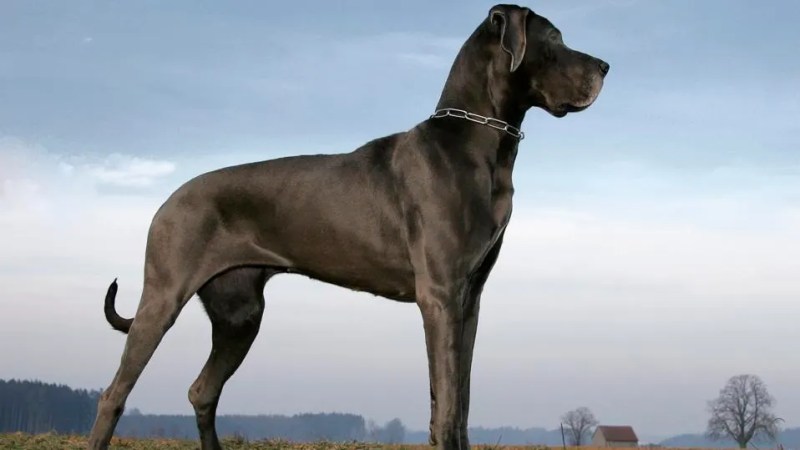
The title of what is the largest dog breed is rarely settled in absolutes, but the contenders are undeniable. The Great Dane holds the Guinness World Record for the tallest dog ever measured—a Danish dog named Zeus, who stood 44 inches (111.8 cm) at the shoulder in 2011. Meanwhile, the English Mastiff claims the record for the heaviest dog: an American Mastiff named Aicama Zorba, weighing 343 pounds (155.6 kg) in 2021. The Irish Wolfhound, though leaner, boasts a historical reputation as a fearsome hunter, with some specimens reaching 35 inches (89 cm) tall. These measurements aren’t just numbers; they’re milestones in a centuries-long experiment in canine magnification.What these breeds share is a genetic predisposition to rapid growth, driven by mutations in the IGF-1 gene, which regulates size in mammals. However, their development isn’t without trade-offs. Giant breeds often face skeletal challenges, including hip dysplasia and heart conditions, due to their accelerated growth rates. The question of what is the largest dog breed thus becomes a study in biological trade-offs: size versus health, function versus form. Breeders and veterinarians now grapple with how to preserve these dogs’ iconic stature while mitigating the risks of their extreme physique.
Historical Background and Evolution
The origins of the largest dog breeds trace back to ancient civilizations where size equated to power. The Irish Wolfhound, for instance, descends from dogs bred by Celtic tribes as early as 6000 BCE, tasked with hunting elk and wolves. Roman accounts describe these dogs as fearsome companions to warriors, their sheer presence enough to intimidate adversaries. By the Middle Ages, Wolfhounds were so revered that Irish kings were said to present them as gifts to European nobility—a tradition that cemented their status as symbols of prestige.The English Mastiff’s lineage is equally illustrious, with roots in the Molosser dogs of ancient Greece and Rome. These massive canines were bred for war, used by Roman legions to protect camps and pull chariots. Their modern descendants, the Mastiff, were further refined in England during the 16th and 17th centuries, where they served as guard dogs for royalty and estates. The Great Dane, though often associated with Germany, emerged in 16th-century England as a cross between Irish Wolfhounds and German hunting dogs. Their name is a misnomer—they were bred by English nobility to hunt deer, not as Danish dogs (a marketing ploy of the 19th century).
Core Mechanisms: How It Works
The sheer size of these breeds is a product of artificial selection, where humans prioritized growth traits over natural survival instincts. Genetic studies reveal that giant breeds often carry two copies of a growth-promoting allele, a mutation that suppresses the IGF-1 gene’s regulatory effects. This results in prolonged bone growth, but it also weakens cartilage and joint development, leading to conditions like hypertrophic osteodystrophy (a painful bone disorder in puppies). The trade-off is stark: a dog that grows taller or heavier may live shorter, with lifespans often capped at 6–10 years, compared to 12–16 years for smaller breeds.Table of Contents
- The Complete Overview of What Is the Largest Dog Breed
- Historical Background and Evolution
- Core Mechanisms: How It Works
- Key Benefits and Crucial Impact
- Major Advantages
- Comparative Analysis
- Future Trends and Innovations
- Conclusion
- Comprehensive FAQs
- Q: Can the largest dog breeds live in apartments?
- Q: What health issues are most common in giant breeds?
- Q: How much do the largest dog breeds typically cost?
- Q: Are there any giant dog breeds with longer lifespans?
- Q: How do I choose a reputable breeder for a giant breed?
- Q: Can giant breeds be trained like smaller dogs?
- Q: What’s the best diet for a giant breed puppy?
- Q: Do giant breeds make good family pets?
- Q: How do I prepare my home for a giant dog?
Breed standards further codify these traits. The American Kennel Club (AKC) and Fédération Cynologique Internationale (FCI) define ideal measurements for each breed, reinforcing the pursuit of size. For example, a Great Dane’s standard height for males is 30–34 inches, while Mastiffs must weigh 120–230 pounds to meet breed criteria. This standardization ensures consistency but also perpetuates the cycle of selective breeding for extreme traits—a practice now scrutinized by ethical breeders and geneticists.
Key Benefits and Crucial Impact
The question of what is the largest dog breed isn’t just academic; it reflects broader themes in human-animal relationships. These dogs have historically served as status symbols, protectors, and working animals, their size a direct result of their roles. In medieval Europe, owning a Mastiff was a sign of wealth and power, while Irish Wolfhounds accompanied Celtic chieftains into battle. Today, their presence in homes—despite their intimidating stature—often belies their temperament. Many of these breeds are surprisingly gentle, with Great Danes earning the nickname "gentle giants" for their calm demeanor.Yet their impact extends beyond symbolism. Giant breeds have influenced canine genetics research, offering insights into growth disorders and aging. Studies on their shortened lifespans have led to advancements in veterinary gerontology, helping smaller breeds live longer. The paradox of these dogs is that their very existence forces us to question the ethics of breeding for extreme traits—a debate that mirrors broader conversations about animal welfare in the modern era.
"Size in dogs is not an accident of nature but a testament to human ingenuity—and occasionally, hubris. The largest breeds remind us that every trait we select has a cost, paid in health, lifespan, and sometimes, suffering." —Dr. Lisa M. Freeman, Tufts University Veterinary School
Major Advantages
Despite their challenges, the largest dog breeds offer unique benefits:- Unmatched Protection: Mastiffs and Wolfhounds were bred to deter threats, making them exceptional guard dogs. Their size alone can act as a deterrent, while their loyalty ensures they’d never back down from a genuine threat.
- Companionship for Large Families: Their gentle nature and patience make them ideal for households with children or other pets. Great Danes, in particular, are known for their affectionate, almost cat-like independence.
- Historical and Cultural Significance: Owning one of these breeds connects modern pet owners to centuries of canine history. Their presence in art, literature, and mythology (e.g., the Irish Wolfhound in Shakespeare’s Henry IV) adds a layer of prestige.
- Therapeutic Presence: Their calm demeanor can have a grounding effect, reducing stress in their owners. Many giant breeds excel in therapy work, using their size to provide comforting physical presence.
- Breeding and Conservation Value: As working breeds decline, these giants serve as living museums of genetic diversity. Responsible breeders work to maintain their health while preserving their iconic traits.
Comparative Analysis
| Breed | Key Traits vs. Others ||---------------------|-----------------------------------------------------------------------------------------|
| Great Dane | Tallest breed (up to 44" tall), leaner build, shorter lifespan (6–8 years), gentle temperament. |
| English Mastiff | Heaviest breed (up to 343 lbs), broad head, powerful build, longer lifespan (7–10 years). |
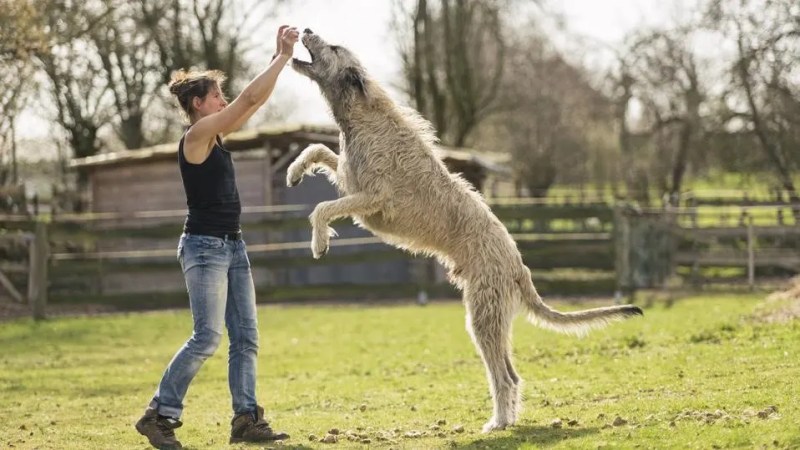
| Irish Wolfhound | Leanest of the giants, fastest (can reach 35 mph), historically used for hunting, 6–8 year lifespan. |
| Saint Bernard | Smaller than the top three (up to 180 lbs), known for rescue work, longer lifespan (8–10 years). |
Future Trends and Innovations
The future of what is the largest dog breed may lie in genetic moderation rather than magnification. Advances in CRISPR gene editing could allow breeders to reduce growth-related health risks without sacrificing size, though ethical concerns persist. Meanwhile, AI-assisted breeding programs are being explored to predict and mitigate genetic disorders before they manifest. The trend toward "healthier giants" is already visible in some lines of Great Danes and Mastiffs, where breeders prioritize hip scores and heart health over extreme measurements.Another shift is the rise of "gentle giant" hybrids, where breeders cross large breeds with smaller, hardier dogs to create robust companions. For example, the Bernese Mountain Dog (a cousin to the Saint Bernard) is gaining popularity for its balanced size and longevity. As urban living spaces shrink, there’s also a growing demand for large breeds suited to apartments, leading to innovations in training and exercise routines for these dogs.

Conclusion
The question of what is the largest dog breed is more than a matter of measurement—it’s a lens through which we examine the intersection of biology, history, and ethics. These dogs are living artifacts of human ambition, their size a product of deliberate breeding for roles that have long since faded. Yet their legacy persists, not just in record books but in the homes where they serve as protectors, companions, and conversation pieces. The challenge ahead is to honor their past while ensuring their future is defined by health, not just height or weight.As we move forward, the conversation around these breeds must evolve. Will we continue to push the limits of canine size, or will we redefine success in terms of longevity and well-being? The answer may lie in the hands of breeders, veterinarians, and owners who recognize that true greatness isn’t measured in inches or pounds, but in the lives these dogs touch—and the responsibility we bear for their existence.
Comprehensive FAQs
Q: Can the largest dog breeds live in apartments?
While possible, it requires careful planning. Great Danes and Mastiffs need space to stretch and daily exercise (1–2 hours). Apartment living is feasible if the dog has access to a yard or nearby park for long walks. However, their size can make stairs and tight spaces challenging, so owners should prepare for logistical adjustments like ramps or wider doorways.
Q: What health issues are most common in giant breeds?
The largest breeds are prone to hip and elbow dysplasia, bloat (GDV), heart disease (DCM), and bone cancer (osteosarcoma). Their rapid growth can also lead to joint problems like arthritis. Responsible breeders screen for these conditions, and owners should budget for regular vet check-ups, a high-quality diet, and joint supplements.
Q: How much do the largest dog breeds typically cost?
Prices vary widely based on lineage and breeder reputation. A well-bred Great Dane or Mastiff from a reputable breeder can cost $1,500–$3,000, while show-quality or rare bloodlines may exceed $5,000. Additional costs include pet insurance ($50–$150/month), larger food portions, and potential veterinary emergencies (often $2,000–$5,000 per incident).
Q: Are there any giant dog breeds with longer lifespans?
Among the largest breeds, the Saint Bernard and Bernese Mountain Dog tend to live slightly longer (8–10 years) than Great Danes or Mastiffs. However, size correlates with shorter lifespans due to metabolic demands. The Leonberger, another giant breed, averages 7–9 years. For longer-lived large dogs, consider Labrador Retrievers or Golden Retrievers, which can reach 12–14 years while still being robust.
Q: How do I choose a reputable breeder for a giant breed?
Look for breeders who:
- Provide health clearances for parents (hips, elbows, heart, eyes).
- Raise puppies in a home environment (not a kennel).
- Offer a health guarantee and take back dogs if owners can’t keep them.
- Encourage questions about temperament and care—red flags include reluctance to discuss genetics or living conditions.
Q: Can giant breeds be trained like smaller dogs?
Yes, but their physical limitations (e.g., slower learning pace due to larger brains) and independence (some, like Great Danes, are less eager-to-please) require patience. Positive reinforcement works best. Start training early (puppy classes at 8–12 weeks) and use shorter, frequent sessions (5–10 minutes). Socialization is critical—their size can intimidate other dogs, so controlled exposure is key.
Q: What’s the best diet for a giant breed puppy?
Giant breed puppies need high-quality, large-breed-specific food to support controlled growth. Look for:
- Protein-rich (22–26%) but moderate fat (12–16%) to prevent rapid weight gain.
- Calcium and phosphorus balanced (1:1 ratio) to avoid skeletal issues.
- Small, frequent meals (3–4 times/day) to prevent bloat.
- Avoid overfeeding—obesity exacerbates joint problems.
Q: Do giant breeds make good family pets?
Absolutely, but they’re best suited for experienced dog owners who understand their needs. Their gentle nature makes them great with kids, but their size means supervision is essential (e.g., teaching children not to pull ears or tails). Families should ensure they have space, patience for training, and the ability to handle potential health costs. Adopting an adult giant breed can also be rewarding, as their temperament is already established.
Q: How do I prepare my home for a giant dog?
Consider these adjustments:
- Furniture: Reinforce tables, couches, and beds to support their weight.
- Flooring: Avoid slippery surfaces (tile, hardwood)—opt for non-slip rugs or orthopedic mats.
- Gates/Barriers: Use baby gates to block stairs or off-limit areas.
- Food/Water: Invest in large, sturdy bowls and elevated feeders to reduce bloat risk.
- Transport: Measure doorways and hallways for doggy car seats or ramps if needed.
Leave a Comment
Comments are moderated before appearing. The data you submit is processed according to the Privacy Policy of Bevvy.