What Is the Function of the Gallbladder? The Hidden Organ Shaping Digestion
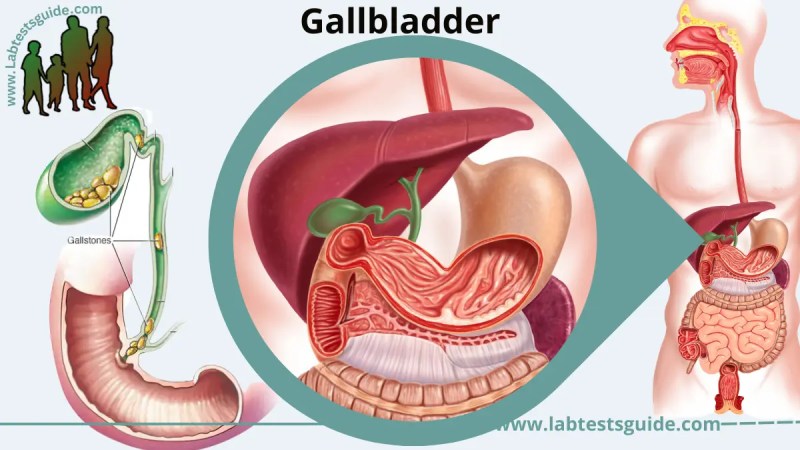
The gallbladder is often overlooked in conversations about human anatomy, yet its role in digestion is nothing short of essential. Tucked beneath the liver, this small, pear-shaped organ serves as a reservoir for bile—a digestive fluid produced by the liver. Without it, the digestive process would falter, leading to complications that extend beyond mere discomfort. Understanding what is the function of the gallbladder reveals why its health is a cornerstone of metabolic efficiency, especially when it comes to fat digestion and nutrient absorption.
What makes the gallbladder particularly fascinating is its dual role as both a storage unit and a strategic release system. When we consume fatty foods, the body signals the gallbladder to release bile into the small intestine, where it emulsifies fats, breaking them down into molecules small enough for absorption. This precise timing ensures that digestion proceeds smoothly, preventing the buildup of undigested fats that could otherwise lead to gastrointestinal distress. The organ’s ability to concentrate and store bile also highlights its efficiency, as it can hold up to 50 milliliters of this crucial fluid, ready to be deployed at a moment’s notice.
Yet, despite its importance, the gallbladder remains one of the most frequently removed organs in modern medicine, often due to gallstones or inflammation. This raises a critical question: If the gallbladder can be surgically excised without immediate fatal consequences, why does it exist at all? The answer lies in its evolutionary purpose—a finely tuned adaptation that optimizes digestion in ways that artificial or compensatory mechanisms cannot fully replicate.

The Complete Overview of What Is the Function of the Gallbladder
The gallbladder’s primary responsibility is to store and concentrate bile, a digestive juice produced by the liver. This bile contains bile salts, cholesterol, and bilirubin—components that work in tandem to facilitate the breakdown of dietary fats. When food enters the digestive tract, particularly fats, the hormone cholecystokinin (CCK) is released, prompting the gallbladder to contract and release bile into the duodenum, the first segment of the small intestine. This process is not merely about storage; it’s about timing. The gallbladder ensures that bile is delivered precisely when needed, maximizing the efficiency of fat digestion and minimizing waste.Beyond its role in fat metabolism, the gallbladder also plays a secondary function in cholesterol regulation. Bile contains cholesterol, and its excretion through bile helps maintain cholesterol balance in the body. When bile becomes supersaturated with cholesterol, however, it can lead to the formation of gallstones—a common and often painful condition. This dual function underscores the gallbladder’s importance in both digestion and metabolic homeostasis. Understanding what is the function of the gallbladder in these contexts reveals why its health is intricately linked to broader systemic well-being.
Historical Background and Evolution
The gallbladder’s evolutionary journey is a testament to nature’s efficiency. Fossil records and comparative anatomy suggest that the gallbladder emerged as a specialized organ in vertebrates to optimize bile storage and release. Early mammals, including our ancestors, likely relied on this organ to manage the high-fat diets of their environments. The gallbladder’s ability to concentrate bile allowed for more efficient digestion, particularly in species with varied and sometimes scarce food sources.Interestingly, some modern mammals, such as horses and rats, have lost the gallbladder entirely, relying instead on a continuous flow of bile into the digestive tract. Humans, however, retain this organ, suggesting that its functions remain critical for our digestive physiology. The gallbladder’s persistence in the human body reflects its adaptive advantages, particularly in processing high-fat diets—a dietary pattern that has become increasingly prevalent in contemporary societies. This historical context provides insight into why what is the function of the gallbladder remains a subject of ongoing medical and evolutionary inquiry.
Core Mechanisms: How It Works
The gallbladder’s operation is a finely orchestrated process governed by hormonal and neural signals. When fatty foods enter the stomach, the hormone CCK is secreted by the duodenum, triggering the gallbladder to contract. Simultaneously, the sphincter of Oddi—a muscular valve—relaxes, allowing bile to flow into the small intestine. This synchronized response ensures that bile is released in the right quantities at the right time, preventing both under- and over-digestion of fats.Table of Contents
- The Complete Overview of What Is the Function of the Gallbladder
- Historical Background and Evolution
- Core Mechanisms: How It Works
- Key Benefits and Crucial Impact
- Major Advantages
- Comparative Analysis
- Future Trends and Innovations
- Conclusion
- Comprehensive FAQs
- Q: Can you live without a gallbladder?
- Q: What are the most common symptoms of gallbladder problems?
The gallbladder’s ability to concentrate bile is equally remarkable. As bile is stored, water and other components are reabsorbed, increasing the concentration of bile salts and cholesterol. This process enhances the bile’s effectiveness in emulsifying fats, making it a potent digestive tool. The organ’s muscular walls and rich nerve supply further enable it to respond dynamically to dietary changes, ensuring that digestion remains adaptable. These mechanisms highlight why the function of the gallbladder is so tightly integrated into the broader digestive system.
Key Benefits and Crucial Impact
The gallbladder’s contributions to digestion are foundational, yet its broader impact on health extends beyond the gastrointestinal tract. By efficiently processing fats, it supports nutrient absorption, energy production, and even hormone regulation. Disruptions in its function, such as those caused by gallstones or inflammation, can lead to a cascade of health issues, including malnutrition, weight loss, and systemic inflammation. Recognizing what is the function of the gallbladder in these contexts underscores its role as a silent guardian of metabolic health.One of the most critical benefits of the gallbladder is its ability to prevent the buildup of undigested fats in the intestines. Without proper bile release, fats can accumulate, leading to conditions such as steatorrhea (fatty stools) and malabsorption syndromes. Additionally, the gallbladder’s role in cholesterol excretion helps regulate lipid levels in the blood, reducing the risk of cardiovascular diseases. These benefits illustrate why the gallbladder is not merely an accessory organ but a vital component of digestive and systemic health.
"Without the gallbladder, the body loses its most efficient bile storage and release mechanism, forcing the liver to produce bile continuously—a process that, while sustainable, is less optimal for fat digestion and overall metabolic efficiency."
— Dr. Sarah Chen, Gastroenterologist and Digestive Health Researcher
Major Advantages
Understanding what is the function of the gallbladder reveals several key advantages it provides to the human body:- Enhanced Fat Digestion: The gallbladder’s ability to store and concentrate bile ensures that fats are broken down efficiently, maximizing nutrient absorption.
- Cholesterol Regulation: By excreting excess cholesterol through bile, the gallbladder helps maintain healthy cholesterol levels, reducing the risk of atherosclerosis.
- Prevention of Digestive Disorders: Proper bile flow prevents conditions like steatorrhea and fatty liver disease, which can arise from inadequate fat digestion.
- Metabolic Efficiency: The timed release of bile optimizes energy production, ensuring that the body extracts the maximum nutritional value from food.
- Protection Against Gallstones: While the gallbladder itself can develop gallstones, its function in bile concentration helps prevent the buildup of harmful substances in the liver.
Comparative Analysis
| With Gallbladder | Without Gallbladder (Post-Cholecystectomy) |
|---|---|
| Bile is stored and released in concentrated bursts, optimizing fat digestion. | Bile flows continuously from the liver, leading to less efficient fat breakdown. |
| Reduced risk of bile stasis and gallstone formation. | Increased risk of diarrhea or loose stools due to unregulated bile flow. |
| Better absorption of fat-soluble vitamins (A, D, E, K). | Potential malabsorption of fat-soluble vitamins, requiring dietary adjustments. |
| Natural regulation of cholesterol through bile excretion. | Dependence on liver’s continuous bile production, which may not fully compensate for lost storage. |
Future Trends and Innovations
As medical research advances, the study of what is the function of the gallbladder continues to evolve, particularly in the realm of regenerative medicine and digestive health. Scientists are exploring bioengineered gallbladders and bile storage alternatives for patients who have undergone cholecystectomy. These innovations aim to replicate the gallbladder’s storage and release functions, potentially improving quality of life for those who have lost this organ.Additionally, advancements in diagnostic imaging and early detection of gallbladder diseases are paving the way for more personalized and preventive healthcare approaches. As our understanding of the gallbladder’s role in metabolic and digestive health deepens, so too does the potential for targeted therapies to address conditions like gallstones, bile reflux, and other gallbladder-related disorders. The future of gallbladder research may well redefine how we approach digestive health and disease prevention.

Conclusion
The gallbladder’s functions are a masterclass in biological efficiency, demonstrating how a small organ can play a disproportionately large role in overall health. From its historical evolution to its modern-day significance, what is the function of the gallbladder remains a critical question in both medical and evolutionary biology. While its removal is often necessary for treating conditions like gallstones, the body’s ability to adapt highlights the resilience of human physiology—but also the importance of preserving this organ when possible.As research continues to uncover new insights into the gallbladder’s mechanisms, it is clear that its role extends far beyond simple digestion. By understanding its functions, we gain a deeper appreciation for the intricate balance of the digestive system and the ways in which even the smallest organs contribute to our well-being.
Comprehensive FAQs
Q: Can you live without a gallbladder?
A: Yes, the body can function without a gallbladder, though digestion becomes less efficient. The liver continues to produce bile, but without storage, it flows continuously into the small intestine. This can lead to loose stools or diarrhea, particularly after eating fatty foods. Most people adapt well with dietary adjustments, such as reducing fat intake and taking smaller, more frequent meals.
Q: What are the most common symptoms of gallbladder problems?
A: Common symptoms of gallbladder issues, such as gallstones or cholecystitis (inflammation), include severe pain in the upper right abdomen, nausea, vomiting, and bloating. Pain often occurs after eating fatty or greasy foods and may radiate to the back or shoulder. Jaundice (yellowing of the skin or eyes) can also occur if a gallstone blocks the bile duct.
Q: How does the gallbladder affect cholesterol levels?
A: The gallbladder helps regulate cholesterol by excreting excess cholesterol through bile. When bile becomes supersaturated with cholesterol, it can lead to gallstone formation. Removing the gallbladder may slightly increase LDL ("bad") cholesterol levels in some individuals, as the body loses a natural pathway for cholesterol excretion.
Q: Are there natural ways to support gallbladder health?
A: Maintaining a balanced diet low in saturated fats and high in fiber can support gallbladder health. Staying hydrated, exercising regularly, and avoiding rapid weight loss (which can increase bile cholesterol saturation) are also beneficial. Some studies suggest that certain foods, like coffee and leafy greens, may promote gallbladder function, though individual responses vary.
Q: What causes gallstones, and how are they treated?
A: Gallstones form when bile contains too much cholesterol or bilirubin and not enough bile salts to keep the components dissolved. Risk factors include obesity, rapid weight loss, diabetes, and a diet high in cholesterol and fats. Treatment options range from lifestyle changes and medication (such as ursodiol) to surgical removal of the gallbladder (cholecystectomy), which is the most common treatment for symptomatic gallstones.
Leave a Comment
Comments are moderated before appearing. The data you submit is processed according to the Privacy Policy of Bevvy.