How Governance Strategic Management in Modern Organizations Redefines Success
Modern organizations operate in an environment where traditional governance models—rigid hierarchies and reactive compliance—no longer suffice. The fusion of governance strategic management has emerged as a critical differentiator, blending oversight with forward-thinking agility. This integration ensures that boards and executives don’t just monitor performance but actively steer it toward resilience and innovation. The stakes are higher than ever: shareholder expectations, regulatory scrutiny, and technological disruption demand a governance framework that is both adaptive and visionary.
Yet, the gap between theory and practice persists. Many organizations still treat governance as a checkbox exercise—annual audits, policy manuals, and compliance reports—while strategic management remains siloed in executive suites. The disconnect is costly: misaligned priorities, governance failures (e.g., Enron, Wirecard), and missed opportunities in digital transformation. The solution lies in a unified approach where governance isn’t just a constraint but a catalyst for strategic execution.
This paradigm shift requires more than lip service. It demands a restructuring of roles, tools, and mindsets. From AI-driven risk assessment to dynamic stakeholder engagement, the tools of modern organizational governance are evolving faster than most boards can adapt. The question isn’t whether these changes are necessary—it’s how organizations can implement them without derailing their core operations.

The Complete Overview of Governance Strategic Management in Modern Organizations
The term governance strategic management encapsulates a dual mandate: ensuring compliance, accountability, and ethical standards while simultaneously aligning these with long-term strategic objectives. Unlike legacy governance models that focused narrowly on financial controls, today’s frameworks must address cybersecurity risks, ESG (Environmental, Social, Governance) criteria, and the ethical implications of AI deployment. Strategic management, once the domain of CEOs and C-suite executives, now intersects with governance at every level—from boardroom discussions to frontline operations.
This integration is not about merging two separate functions but about creating a feedback loop where governance informs strategy and strategy validates governance decisions. For example, a board’s approval of a merger isn’t just a legal formality; it’s a strategic bet on market positioning, talent acquisition, and risk exposure. Similarly, a governance committee’s decision to adopt blockchain for supply chain transparency isn’t just a compliance measure—it’s a competitive advantage. The challenge lies in designing systems where this interplay is seamless, not transactional.
Historical Background and Evolution
The roots of modern governance trace back to the early 20th century, when corporate scandals (e.g., the 1929 stock market crash) exposed the dangers of unchecked executive power. The response was the rise of shareholder primacy, embodied in laws like the U.S. Securities Exchange Act of 1934, which mandated independent boards and financial disclosures. These reforms laid the foundation for governance as we know it today: a system of checks and balances to prevent fraud and ensure transparency.
Table of Contents
- The Complete Overview of Governance Strategic Management in Modern Organizations
- Historical Background and Evolution
- Core Mechanisms: How It Works
- Key Benefits and Crucial Impact
- Major Advantages
- Comparative Analysis
- Future Trends and Innovations
- Conclusion
- Comprehensive FAQs
- Q: How does governance strategic management differ from traditional corporate governance?
- Q: What role does technology play in modern governance frameworks?
- Q: Can small and mid-sized organizations (SMEs) implement strategic governance management?
- Q: How do ESG criteria fit into governance strategic management?
- Q: What are the biggest challenges in transitioning to strategic governance?
However, the 1990s and 2000s brought a seismic shift. The collapse of Enron (2001) and the global financial crisis (2008) revealed that governance frameworks were still reactive, not proactive. Enter the era of enterprise governance, where organizations began embedding risk management, compliance, and strategic alignment into their DNA. Frameworks like COSO (Committee of Sponsoring Organizations) and ISO 37000 (Anti-Bribery Management Systems) emerged to standardize best practices. Today, governance is no longer a static policy but a dynamic process—one that must evolve alongside technological and societal changes.
Core Mechanisms: How It Works
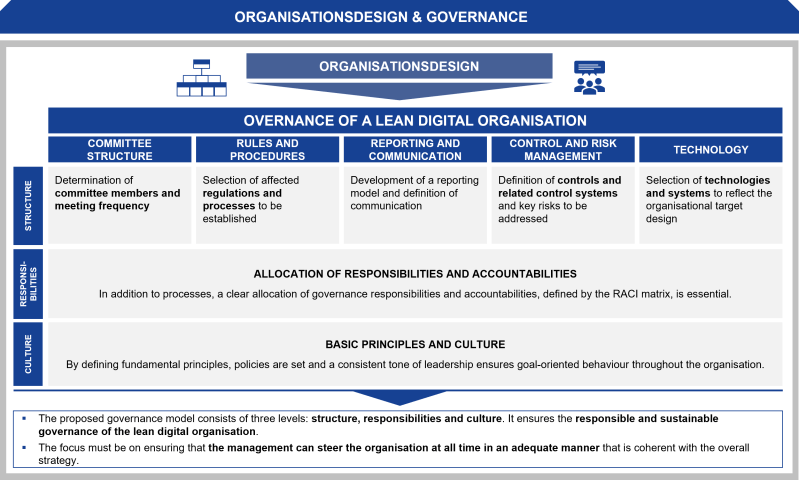
The mechanics of governance strategic management hinge on three pillars: structure, process, and culture. Structure refers to the design of governance bodies—boards, committees, and oversight teams—ensuring they have the expertise to challenge management without becoming rubber stamps. Process involves the workflows, from scenario planning to real-time risk monitoring, that turn governance decisions into actionable strategies. Culture, often overlooked, is the most critical: it’s the mindset that encourages ethical dilemmas to be aired, not buried.
Take the example of a tech company integrating AI into its operations. A traditional governance approach might focus on regulatory compliance (e.g., GDPR, AI ethics guidelines). But a strategic governance model would also assess: How does AI align with our long-term R&D roadmap? What are the talent gaps in AI literacy? How do we mitigate bias in algorithms while maintaining innovation speed? The key is to embed governance into every stage of the strategic lifecycle—not as an afterthought but as a co-pilot.
Key Benefits and Crucial Impact
The marriage of governance and strategy isn’t just theoretical; it delivers tangible outcomes. Organizations that master this integration see improved decision-making, stronger stakeholder trust, and higher resilience to disruptions. The data supports this: McKinsey’s research shows that companies with robust governance frameworks outperform peers by 30% in crisis recovery. Yet, the benefits extend beyond metrics. Governance-strategic alignment fosters a culture of accountability, where every employee—from the CFO to the customer service rep—understands their role in the organization’s long-term health.
The impact is particularly pronounced in three areas: risk mitigation, innovation, and reputation. A governance framework that anticipates risks (e.g., cyber threats, supply chain volatility) allows executives to pivot quickly, turning potential crises into strategic opportunities. Similarly, governance that encourages ethical innovation—such as sustainable supply chains or inclusive hiring practices—can become a competitive moat. And in an era of instant information, reputation is no longer a side effect of governance but its cornerstone.
— Larry Fink, CEO of BlackRock
"The companies that will thrive in the next decade will be those that embed purpose into their governance and strategy. It’s not just about shareholder returns—it’s about creating value for all stakeholders, and that requires a governance model that’s as dynamic as the challenges we face."
Major Advantages
- Enhanced Decision-Making: Governance provides the guardrails for strategic choices, ensuring they’re informed by risk assessments, ethical considerations, and long-term viability—not just short-term gains.
- Risk-Resilient Operations: Proactive governance identifies blind spots (e.g., third-party vendor risks, regulatory gaps) before they escalate, reducing the likelihood of costly failures.
- Stakeholder Alignment: Modern governance frameworks prioritize transparency with investors, employees, and communities, fostering loyalty and reducing reputational damage.
- Innovation with Integrity: By embedding ethical and compliance checks into R&D, organizations can innovate faster without compromising their values or facing legal repercussions.
- Agility in Disruption: Governance that’s tied to strategic agility allows companies to adapt to market shifts (e.g., pandemics, geopolitical changes) without losing their strategic north.
Comparative Analysis
The table below contrasts traditional governance models with the strategic governance management approach, highlighting key differences in focus, tools, and outcomes.
| Traditional Governance | Strategic Governance Management |
|---|---|
| Focuses on compliance and financial oversight. | Aligns governance with strategic objectives (e.g., ESG, digital transformation). |
| Uses static policies and annual audits. | Employs real-time analytics, scenario modeling, and dynamic risk assessment. |
| Board acts as a monitor, not a strategic partner. | Board engages in deep-dive discussions on market positioning, talent, and innovation. |
| Reactive to crises (e.g., responding to scandals). | Proactive in anticipating and mitigating risks before they materialize. |
Future Trends and Innovations
The next frontier for governance strategic management lies in three areas: technology, globalization, and stakeholder expectations. Artificial intelligence is poised to revolutionize governance by automating compliance checks, predicting regulatory changes, and even simulating the impact of strategic decisions. Blockchain could enhance transparency in supply chains and voting systems, while quantum computing may redefine risk modeling. However, these tools will only be as effective as the human governance structures that deploy them—meaning boards must upskill rapidly.
Globalization adds another layer of complexity. As organizations expand into new markets, they must navigate divergent regulatory landscapes, cultural norms, and ethical standards. The future of governance will likely involve modular frameworks—core principles that remain consistent, but localized adaptations that respect regional nuances. Additionally, the rise of "purpose-driven" governance, where organizations measure success by ESG metrics as much as financial returns, will redefine what it means to be a "well-governed" entity. The challenge? Balancing idealism with pragmatism in a world where short-term pressures still dominate.

Conclusion
The evolution of governance strategic management reflects a broader truth: modern organizations can no longer afford to separate oversight from vision. The most successful entities will be those where governance isn’t a bureaucratic hurdle but a strategic enabler—where boards don’t just approve strategies but co-create them, and where risk management isn’t a cost center but a source of competitive advantage. The path forward isn’t about adopting the latest governance software or hiring more compliance officers; it’s about rewiring the culture to see governance as the bedrock of strategy.
For leaders, this means asking tough questions: Are our governance structures empowering innovation, or stifling it? Do our risk frameworks encourage creativity, or punish failure? The answers will determine whether an organization thrives in the next decade—or gets left behind. The time to act is now, before the next disruption forces a reactive governance overhaul.
Comprehensive FAQs
Q: How does governance strategic management differ from traditional corporate governance?
A: Traditional corporate governance focuses on compliance, financial oversight, and shareholder protection, often operating in silos. Governance strategic management integrates these functions with long-term strategy, embedding risk assessment, ethical considerations, and innovation into decision-making processes. For example, while traditional governance might approve a merger based on financial projections, strategic governance would also evaluate talent integration, cultural fit, and regulatory risks across jurisdictions.
Q: What role does technology play in modern governance frameworks?
A: Technology is transforming governance from a manual, reactive process into a data-driven, predictive one. AI and machine learning can analyze vast datasets to identify emerging risks (e.g., cybersecurity threats, supply chain disruptions) in real time. Blockchain enhances transparency in voting, audits, and contracts, while governance software platforms (e.g., Diligent, BoardEffect) streamline board communications and compliance tracking. However, technology must be paired with human judgment—algorithms can flag risks, but boards must interpret their strategic implications.
Q: Can small and mid-sized organizations (SMEs) implement strategic governance management?
A: Absolutely, but the approach must be scaled to their resources. SMEs can start by integrating governance into their existing strategic planning processes, such as:
- Adopting lightweight governance tools (e.g., cloud-based compliance software).
- Assigning governance responsibilities to existing roles (e.g., the CFO overseeing risk management).
- Focusing on high-impact areas (e.g., cybersecurity, customer data protection) before expanding.
Q: How do ESG criteria fit into governance strategic management?
A: ESG (Environmental, Social, Governance) criteria are no longer peripheral—they’re central to modern governance. Investors, regulators, and consumers increasingly demand transparency on sustainability, diversity, and ethical practices. Strategic governance management embeds ESG into decision-making by:
- Linking executive compensation to ESG metrics.
- Integrating sustainability into risk assessments (e.g., climate-related financial disclosures).
- Engaging stakeholders (employees, communities) in governance discussions.
Q: What are the biggest challenges in transitioning to strategic governance?
A: The primary challenges include:
- Cultural Resistance: Legacy mindsets may view governance as a constraint rather than a strategic asset.
- Skill Gaps: Boards and executives may lack expertise in emerging areas like AI ethics or global compliance.
- Resource Allocation: Implementing new governance tools and training requires upfront investment.
- Balancing Speed and Rigor: Over-governance can slow decision-making, while under-governance increases risks.
Leave a Comment
Comments are moderated before appearing. The data you submit is processed according to the Privacy Policy of Bevvy.