What Is the Difference Between Smooth and Rough Endoplasmic: The Hidden Architectures of Cellular Function
The endoplasmic reticulum (ER) is the cell’s silent powerhouse—a dynamic network of membranes where proteins fold, lipids assemble, and metabolic signals propagate. Yet within this vast system, two distinct variants operate in parallel: the smooth endoplasmic reticulum (SER) and the rough endoplasmic reticulum (RER). Their differences are not merely cosmetic but foundational, dictating how cells respond to stress, synthesize hormones, and detoxify toxins. Understanding what is the difference between smooth and rough endoplasmic isn’t just academic; it’s essential for grasping diseases like cystic fibrosis, Alzheimer’s, and metabolic disorders where ER dysfunction lies at the core.
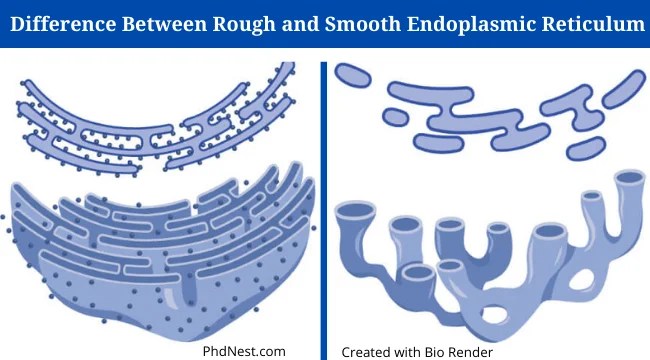
The RER, studded with ribosomes like a molecular assembly line, is the cell’s protein factory. Its surface is a high-traffic hub where nascent polypeptides are threaded into the lumen for modification, glycosylation, and eventual dispatch to their destinations. Meanwhile, the SER—sleek, ribosome-free, and often coiled—specializes in lipid biosynthesis, calcium storage, and the detoxification of drugs and poisons. These two ER variants are not isolated; they communicate through shared membrane continuity, yet their functional divergence is stark. The question of what is the difference between smooth and rough endoplasmic isn’t just about morphology but about how cells balance structural integrity with metabolic flexibility.
At the heart of cellular survival lies the ER’s duality. The RER’s rough texture reflects its role in protein translocation, while the SER’s smooth contours hint at its lipid-centric and detoxifying duties. Together, they form a yin-yang of organellar function—one dedicated to synthesis, the other to modification and regulation. To ignore their distinctions is to overlook the very mechanisms that keep cells alive.

The Complete Overview of What Is the Difference Between Smooth and Rough Endoplasmic
The endoplasmic reticulum is a continuous membrane system that permeates the cytoplasm of eukaryotic cells, yet its two forms—the rough and smooth—serve distinct, non-redundant purposes. The rough endoplasmic reticulum (RER), identifiable by its studded appearance due to bound ribosomes, is primarily responsible for the synthesis and initial processing of membrane-bound and secretory proteins. These ribosomes, the molecular machines that translate mRNA into polypeptide chains, anchor to the RER’s cytoplasmic face, creating a rough texture under electron microscopy. In contrast, the smooth endoplasmic reticulum (SER) lacks ribosomes and instead specializes in lipid synthesis, steroid hormone production, and the metabolism of carbohydrates and drugs. The functional divide between them is a testament to cellular specialization, where each ER variant has evolved to handle specific biochemical tasks with precision.The structural differences between the RER and SER extend beyond surface morphology. The RER’s lumen is a crowded environment where newly synthesized proteins undergo folding, disulfide bond formation, and glycosylation—critical steps for their stability and function. The SER, by contrast, is a more streamlined system optimized for enzymatic reactions, such as those catalyzed by cytochrome P450 in drug metabolism or phospholipid synthesis. This functional segregation is not arbitrary; it reflects the cell’s need to compartmentalize processes that would otherwise compete for resources or produce toxic intermediates. The question of what is the difference between smooth and rough endoplasmic thus hinges on understanding how these organelles partition labor to maintain cellular efficiency.
Historical Background and Evolution
The discovery of the endoplasmic reticulum in the 1940s by electron microscopists like Keith Porter and Albert Claude laid the groundwork for modern cell biology. Early observations revealed a network of membranes, but it wasn’t until the 1950s that George Palade identified ribosomes on the RER, linking protein synthesis to this organelle. The distinction between smooth and rough ER became clearer as researchers realized that the RER’s ribosomes were not merely decorative but functionally integral to its role in protein translocation. Meanwhile, the SER’s role in lipid metabolism and detoxification emerged from studies on liver cells, where its expansion in response to drug exposure suggested a specialized function in xenobiotic processing.Evolutionarily, the ER’s duality likely arose from the need to separate protein synthesis from lipid-based processes. Early eukaryotic cells may have developed the RER to handle the increasing complexity of secreted and membrane proteins, while the SER retained ancestral functions in membrane lipid production and calcium homeostasis. The two systems remain interconnected through membrane continuity, allowing for the exchange of materials and signals. This evolutionary partitioning ensures that cells can simultaneously manage protein folding, lipid assembly, and detoxification without cross-contamination of pathways—a balance critical for survival in diverse environments.
Core Mechanisms: How It Works
The rough endoplasmic reticulum operates as a protein-processing factory. Ribosomes on its cytoplasmic surface translate mRNA into polypeptides, which are co-translationally translocated into the ER lumen via a translocon complex. Inside, chaperone proteins like BiP assist in folding, while enzymes modify the nascent proteins with carbohydrate groups (N-glycosylation) or disulfide bonds. Misfolded proteins are tagged for degradation via the unfolded protein response (UPR), a quality-control mechanism that prevents toxic aggregates. The RER’s output includes secreted proteins (e.g., antibodies), membrane proteins (e.g., receptors), and lysosomal enzymes, all destined for specific cellular or extracellular locales.Table of Contents
- The Complete Overview of What Is the Difference Between Smooth and Rough Endoplasmic
- Historical Background and Evolution
- Core Mechanisms: How It Works
- Key Benefits and Crucial Impact
- Major Advantages
- Comparative Analysis
- Future Trends and Innovations
- Conclusion
- Comprehensive FAQs
- Q: Can the smooth and rough endoplasmic reticulum convert into each other?
- Q: Why does the rough ER have ribosomes, while the smooth ER does not?
- Q: How does the unfolded protein response (UPR) relate to the rough ER?
- Q: Are there cells with only rough or only smooth ER?
- Q: What happens if the smooth ER is damaged?
The smooth endoplasmic reticulum, devoid of ribosomes, functions as a metabolic hub. Its enzymes include those involved in phospholipid synthesis (e.g., phosphatidylcholine), steroid hormone production (e.g., cortisol in adrenal cells), and drug metabolism (e.g., cytochrome P450 in liver hepatocytes). The SER also serves as a calcium reservoir, releasing stored ions to trigger muscle contraction or cellular signaling cascades. Unlike the RER, which is static in structure, the SER can dynamically expand or contract in response to cellular demands, such as increased lipid production or detoxification needs. This plasticity underscores the adaptability of the ER in maintaining homeostasis.
Key Benefits and Crucial Impact
The functional specialization of the rough and smooth endoplasmic reticulum is a cornerstone of cellular physiology. The RER’s role in protein synthesis ensures that enzymes, hormones, and structural proteins are correctly folded and modified before distribution, while the SER’s lipid and detoxification pathways prevent the accumulation of harmful metabolites. Together, they form a dual system that supports growth, differentiation, and stress responses. Disruptions in either ER variant can lead to severe pathological consequences, from neurodegenerative diseases (e.g., Alzheimer’s, where protein misfolding overwhelms the RER) to metabolic disorders (e.g., Smith-Lemli-Opitz syndrome, caused by defective cholesterol synthesis in the SER).The interplay between the RER and SER is a masterclass in cellular efficiency. Proteins synthesized in the RER can be shuttled to the SER for lipidation or further processing, while lipids produced in the SER may be incorporated into membranes or used as signaling molecules. This cross-talk is essential for processes like vesicle formation, membrane biogenesis, and signal transduction. The question of what is the difference between smooth and rough endoplasmic thus extends beyond structural distinctions to encompass their collaborative role in maintaining cellular function.
"The endoplasmic reticulum is not just a passive membrane network; it is an active participant in the cell’s survival, adapting its structure and function to meet the demands of a changing environment." — George Palade, Nobel Laureate in Physiology or Medicine (1974)
Major Advantages
- Protein Quality Control: The RER’s chaperone-mediated folding and UPR system prevent misfolded proteins from accumulating, reducing cellular stress and disease risk.
- Lipid Diversity: The SER synthesizes a wide range of lipids, including phospholipids for membranes and sterols for hormone production, ensuring cellular fluidity and signaling.
- Detoxification: Cytochrome P450 enzymes in the SER metabolize drugs and toxins, protecting cells from chemical damage.
- Calcium Regulation: The SER acts as a calcium store, releasing ions for muscle contraction, neurotransmitter release, and enzyme activation.
- Therapeutic Targets: Understanding ER function enables the development of drugs for diseases like cystic fibrosis (RER) or metabolic disorders (SER).
Comparative Analysis
| Feature | Rough Endoplasmic Reticulum (RER) | Smooth Endoplasmic Reticulum (SER) |
|---|---|---|
| Surface Morphology | Studded with ribosomes, giving a "rough" appearance. | Lacks ribosomes, appearing smooth under microscopy. |
| Primary Function | Protein synthesis, folding, and glycosylation. | Lipid synthesis, steroid hormone production, and detoxification. |
| Key Enzymes | Chaperones (BiP), glycosyltransferases. | Cytochrome P450, phospholipid synthases, steroidogenic enzymes. |
| Cellular Localization | Abundant in secretory cells (e.g., pancreatic acinar cells). | Prominent in liver hepatocytes, adrenal cortex, and muscle cells. |
Future Trends and Innovations
Advances in CRISPR and synthetic biology are poised to revolutionize our understanding of what is the difference between smooth and rough endoplasmic by allowing precise editing of ER genes. Researchers may soon engineer cells with enhanced RER capacity to produce therapeutic proteins or optimize SER function to improve drug metabolism. Additionally, single-cell imaging techniques are uncovering how ER dynamics change in response to disease, offering new avenues for diagnosis and treatment.The development of ER-targeted drugs—such as chemical chaperones for RER-related disorders or SER modulators for metabolic diseases—could redefine personalized medicine. As our knowledge of these organelles deepens, so too will our ability to harness their potential for biotechnology and medicine. The future of ER research lies in bridging structural biology with systems medicine, unlocking therapies that restore balance to cells where the rough and smooth ER have diverged from their optimal functions.

Conclusion
The endoplasmic reticulum’s dual nature—the rough and the smooth—embodies the cell’s ability to compartmentalize complexity. The RER’s protein-folding prowess and the SER’s metabolic versatility are not competing systems but complementary ones, each playing a vital role in health and disease. From the synthesis of antibodies to the detoxification of alcohol, these organelles are the unsung heroes of cellular function. The question of what is the difference between smooth and rough endoplasmic is more than a biological curiosity; it is a gateway to understanding life at its most fundamental level.As research progresses, the boundaries between these two ER variants may blur further, revealing even more intricate layers of their collaboration. Yet one truth remains: without their distinct functions, the cell’s ability to adapt, survive, and thrive would be severely compromised. The study of the ER is not just about organelles—it is about the very architecture of life itself.
Comprehensive FAQs
Q: Can the smooth and rough endoplasmic reticulum convert into each other?
The RER and SER are structurally and functionally distinct, but they share a continuous membrane system. Under certain conditions—such as stress or drug exposure—the SER can expand at the expense of the RER, or vice versa, as cells reprioritize their needs. However, they do not directly "convert" into one another; rather, their relative proportions change based on demand.
Q: Why does the rough ER have ribosomes, while the smooth ER does not?
The ribosomes on the RER are essential for co-translational protein translocation. These ribosomes anchor to the ER membrane via the signal recognition particle (SRP) pathway, ensuring newly synthesized proteins are directly threaded into the lumen for folding. The SER lacks ribosomes because its primary functions—lipid synthesis and detoxification—do not require protein synthesis on its surface.
Q: How does the unfolded protein response (UPR) relate to the rough ER?
The UPR is a stress-response pathway activated when misfolded proteins accumulate in the RER lumen. Sensors like IRE1, PERK, and ATF6 detect unfolded proteins and trigger transcriptional programs to restore ER homeostasis. Chronic UPR activation can lead to apoptosis, linking ER dysfunction to diseases like diabetes and neurodegenerative disorders.
Q: Are there cells with only rough or only smooth ER?
Most eukaryotic cells contain both RER and SER, but their ratios vary. For example, pancreatic acinar cells are rich in RER due to their role in protein secretion, while liver hepatocytes have extensive SER for detoxification. Some specialized cells, like steroid-producing adrenal cells, may have minimal RER but abundant SER.
Q: What happens if the smooth ER is damaged?
Damage to the SER can impair lipid synthesis, steroid hormone production, and detoxification, leading to metabolic disorders, hormonal imbalances, or toxin accumulation. For instance, defects in SER enzymes like cytochrome P450 can cause drug metabolism disorders, while cholesterol synthesis defects (e.g., in Smith-Lemli-Opitz syndrome) result in developmental abnormalities.
Leave a Comment
Comments are moderated before appearing. The data you submit is processed according to the Privacy Policy of Bevvy.