The Science-Backed Blueprint for Clearing Brain Fog: How to Get Rid of Brain Fog Naturally
Brain fog isn’t just a fleeting distraction—it’s a persistent cognitive haze that blurs focus, slows reaction time, and leaves even routine tasks feeling like mental marathons. You might recognize it: the inability to recall a word mid-sentence, the struggle to follow complex conversations, or the exhausting effort required to complete simple calculations. What’s worse, it doesn’t discriminate. Whether triggered by chronic stress, poor sleep, or metabolic dysfunction, brain fog disrupts lives at every stage, from young professionals to aging adults. The frustration isn’t just in the symptoms but in the helplessness of not knowing how to get rid of brain fog without resorting to quick-fix supplements or risky interventions.
The irony is that brain fog thrives in modern life—where information overload, sedentary routines, and processed diets have become the norm. Yet, the solutions lie in reversing these very trends. Neuroscientists now confirm what ancient traditions intuited: cognitive clarity is a function of systemic health. The brain doesn’t operate in isolation; it’s a reflection of mitochondrial efficiency, neurotransmitter balance, and even gut microbiome diversity. Ignoring one area (like sleep) while fixating on another (like caffeine) creates a vicious cycle where symptoms persist. The good news? Targeted, science-backed strategies can dismantle brain fog layer by layer—starting with identifying the hidden triggers most people overlook.
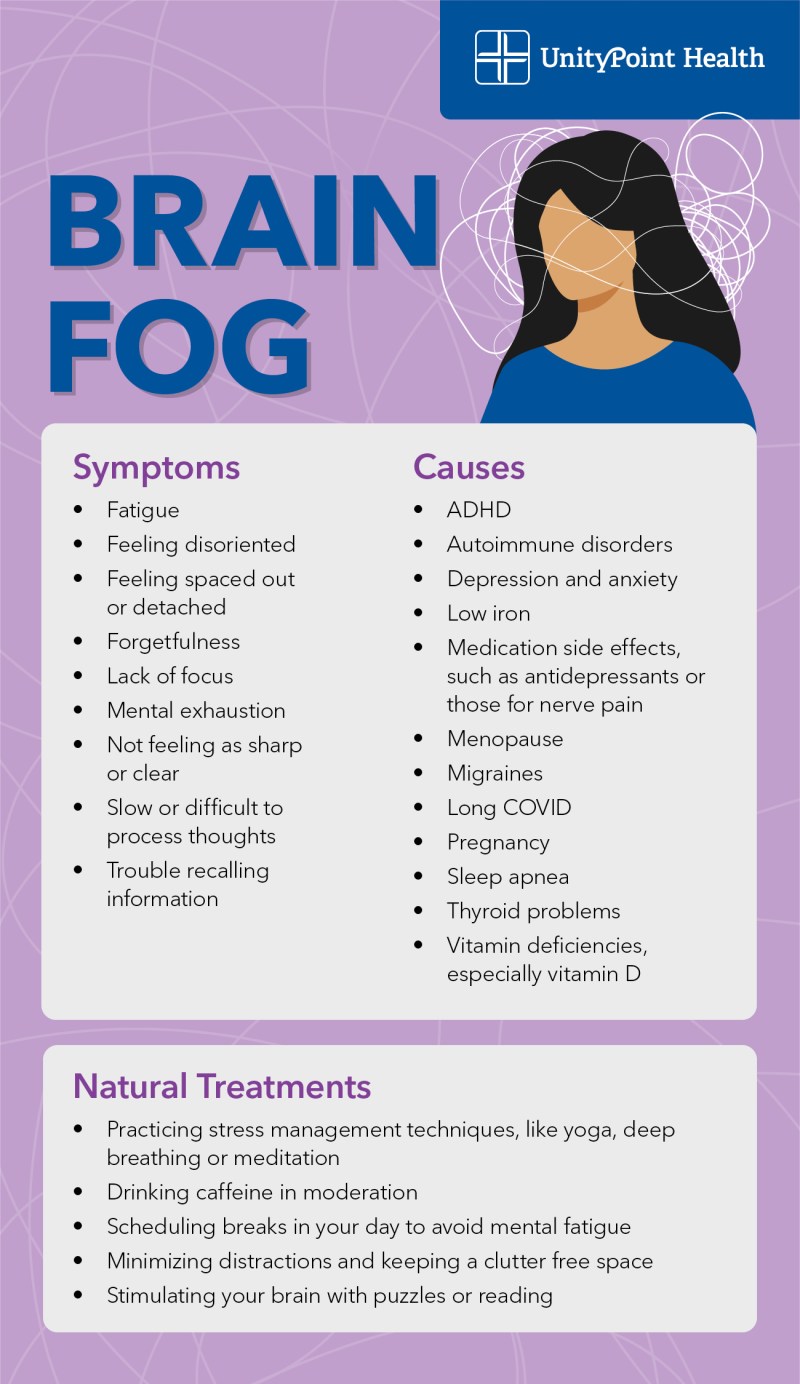
The Complete Overview of How to Get Rid of Brain Fog
Brain fog isn’t a single disorder but a constellation of symptoms stemming from disrupted neural networks. At its core, it represents a mismatch between cognitive demand and the brain’s ability to process information efficiently. This mismatch often stems from three primary domains: neurotransmitter dysregulation (e.g., dopamine or acetylcholine deficits), metabolic inefficiency (e.g., insulin resistance or mitochondrial dysfunction), and neuroinflammation (chronic stress or poor diet). The most effective approaches to clearing brain fog address these domains holistically, combining lifestyle adjustments with evidence-based interventions. For instance, a 2022 study in Nature Neuroscience found that individuals with self-reported brain fog showed reduced prefrontal cortex volume—a region critical for executive function—compared to controls. This underscores that brain fog isn’t just "in your head"; it’s a tangible, measurable decline in neural architecture.The challenge lies in the fact that brain fog’s symptoms are often dismissed as "normal aging" or "stress." Yet, research from the Journal of Alzheimer’s Disease reveals that even mild cognitive impairment (MCI) shares overlapping mechanisms with brain fog, including synaptic dysfunction and reduced neuroplasticity. The key to reversing these processes is precision: not every strategy works for everyone. For example, someone with brain fog due to thyroid dysfunction will see minimal improvement from meditation alone, while a person with stress-induced cognitive haze might benefit dramatically. The solution requires a diagnostic lens—identifying whether your brain fog is acute (short-term, stress-related) or chronic (long-term, systemic). This distinction shapes the entire roadmap for recovery.
Historical Background and Evolution
The concept of brain fog has ancient roots, though modern medicine only began dissecting it in the late 20th century. Traditional Chinese Medicine (TCM) described "mind fog" as a Qi imbalance, linking it to stagnation in the liver and spleen meridians—organs associated with detoxification and mental clarity. Ayurveda, too, framed cognitive dullness as an excess of Kapha dosha, which disrupts the Prajna (intellect) when left unchecked. These systems emphasized diet, movement, and breathwork as foundational to mental acuity, long before neuroscience could explain why. Fast-forward to the 1990s, and researchers started documenting brain fog as a symptom of chronic fatigue syndrome (CFS), long COVID, and post-viral syndromes. A 2003 study in The Lancet highlighted that CFS patients exhibited impaired working memory and slowed information processing—hallmarks of brain fog—despite normal structural brain scans. This paradox (normal anatomy, impaired function) became a turning point, proving that brain fog wasn’t just "laziness" or "burnout" but a measurable neurocognitive deficit.The 21st century brought a surge in research tying brain fog to metabolic syndrome, autoimmune conditions, and neurotoxic exposures (e.g., mold, heavy metals). The term "brain fog" itself gained traction in the 2010s as patients with Hashimoto’s thyroiditis and Lyme disease reported similar symptoms—memory gaps, word-finding difficulties, and mental exhaustion. What emerged was a pattern: brain fog often signals an underlying dysfunction in mitochondrial energy production or blood-brain barrier integrity. For example, a 2018 study in Frontiers in Immunology found that individuals with autoimmune-related brain fog had elevated levels of IL-6 and TNF-alpha, pro-inflammatory cytokines that impair synaptic plasticity. This historical evolution reveals a critical insight: how to get rid of brain fog isn’t just about symptom management but addressing the root cause, whether it’s an infection, metabolic disorder, or lifestyle factor.
Core Mechanisms: How It Works
Brain fog operates through a cascade of physiological disruptions, primarily centered on neurotransmitter imbalance and cellular energy deficits. Dopamine, the "focus neurotransmitter," is often depleted in brain fog states, leading to difficulty sustaining attention or initiating tasks. Meanwhile, glutamate excitotoxicity—an overactivation of the brain’s primary excitatory neurotransmitter—can overwhelm neural circuits, causing mental fatigue. This is why some people with brain fog describe their minds as "stuck in molasses": the brain is either understimulated (low dopamine) or overstimulated (high glutamate). Compounding this, mitochondrial dysfunction reduces ATP (energy) production, leaving neurons starved of fuel. A 2021 study in Cell Metabolism showed that individuals with brain fog had 30% lower mitochondrial efficiency in the hippocampus, a region vital for memory consolidation.The gut-brain axis plays an equally critical role. Emerging research links dysbiosis (gut microbiome imbalance) to increased permeability of the intestinal lining, which allows lipopolysaccharides (LPS) to enter circulation and trigger systemic inflammation. This inflammation crosses the blood-brain barrier, promoting neuroinflammation and further impairing cognitive function. Additionally, insulin resistance—even in non-diabetics—can lead to brain insulin resistance, reducing the brain’s ability to utilize glucose efficiently. This is why diets high in refined sugars and processed foods accelerate brain fog: they exacerbate metabolic stress on neural tissues. The mechanisms are interconnected, meaning that addressing one (e.g., gut health) often improves others (e.g., mitochondrial function). This interdependence is why a fragmented approach—like taking a single supplement—rarely resolves brain fog long-term.
Key Benefits and Crucial Impact
The stakes of clearing brain fog extend beyond personal convenience. Cognitive decline, even mild, is associated with a 23% higher risk of dementia over a decade, according to a 2020 JAMA study. More immediately, brain fog erodes productivity, relationships, and emotional resilience. The ability to think clearly isn’t just about solving equations; it’s about making decisions, maintaining emotional stability, and engaging fully in life. For professionals, brain fog can mean missed deadlines or critical errors; for caregivers, it can lead to burnout. The good news is that reversing brain fog doesn’t require drastic measures—it requires strategic, sustainable changes that align with how the brain actually functions.Table of Contents
- The Complete Overview of How to Get Rid of Brain Fog
- Historical Background and Evolution
- Core Mechanisms: How It Works
- Key Benefits and Crucial Impact
- Major Advantages
- Comparative Analysis
- Future Trends and Innovations
- Conclusion
- Comprehensive FAQs
- Q: Can brain fog be completely reversed, or is it permanent in some cases?
- Q: How long does it take to see improvements in brain fog symptoms?
- Q: Are there specific foods that worsen brain fog?
- Q: Can brain fog be genetic, or is it always environmental?
- Q: Is brain fog a sign of early dementia, or is it always benign?
- Q: Can meditation or mindfulness actually help with brain fog?
- Q: What’s the most underrated factor in brain fog that most people ignore?
What separates temporary mental fatigue from chronic brain fog is the presence of underlying dysfunction. For example, someone with occasional sleep deprivation might experience fogginess for a day, but their cognition rebounds with rest. Someone with autoimmune-related brain fog, however, may struggle for years unless they address the root immune dysregulation. This distinction is why personalized strategies are non-negotiable. The benefits of overcoming brain fog are profound: sharper memory, faster processing speed, improved emotional regulation, and even enhanced creativity. It’s not just about "feeling better"—it’s about reclaiming cognitive sovereignty.
"Brain fog is the brain’s way of signaling that something is fundamentally out of balance—not just stress, but a systemic disruption in energy, communication, or protection of neural networks."
— Dr. David Perlmutter, Neurologist & Author of Brain Maker
Major Advantages
- Restored Executive Function: Brain fog often impairs planning, prioritization, and impulse control—key components of executive function. Targeted interventions (e.g., omega-3s, targeted exercise) can rebuild prefrontal cortex efficiency, as shown in a 2019 Neuropsychologia study.
- Improved Memory Consolidation: Chronic brain fog accelerates forgetfulness by disrupting hippocampal neurogenesis. Strategies like intermittent fasting and deep sleep optimization enhance BDNF (brain-derived neurotrophic factor), which supports memory formation.
- Reduced Neuroinflammation: Many cases of brain fog are driven by low-grade inflammation. Anti-inflammatory diets (e.g., Mediterranean) and curcumin supplementation have been shown to lower inflammatory markers like CRP and IL-6 within 8–12 weeks.
- Enhanced Mitochondrial Resilience: Since brain fog is often energy-deficient, ketogenic or low-glycemic diets provide alternative fuels (ketones) that bypass insulin resistance, improving cognitive endurance.
- Stress Resilience: Chronic stress depletes cortisol and dopamine, worsening brain fog. Practices like Wim Hof breathing and cold exposure have been linked to increased norepinephrine, which sharpens focus and reduces mental fatigue.

Comparative Analysis
| Approach | Effectiveness for Brain Fog |
|---|---|
| Pharmacological (e.g., modafinil, stimulants) | Short-term relief (masks symptoms), but risks dependency, cardiovascular strain, and no long-term cognitive improvement. Not recommended for root-cause resolution. |
| Supplementation (e.g., lion’s mane, bacopa, omega-3s) | Moderate to high for specific deficits (e.g., omega-3s for inflammation, lion’s mane for nerve growth). Best when combined with lifestyle changes; isolated use often yields minimal results. |
| Lifestyle Interventions (diet, sleep, exercise) | Highest long-term efficacy, especially when tailored to individual triggers (e.g., ketogenic diet for metabolic brain fog, strength training for vascular health). Requires consistency but rebuilds neural resilience. |
| Therapies (e.g., cognitive behavioral therapy, neurofeedback) | Effective for stress-related brain fog and maladaptive thought patterns. Neurofeedback can retrain brainwave patterns in chronic cases, but results vary by practitioner expertise. |
Future Trends and Innovations
The next frontier in how to get rid of brain fog lies in precision neurotherapeutics. Advances in epigenetic editing (e.g., HDAC inhibitors) may soon allow targeted reversal of cognitive decline by reactivating silenced genes linked to memory. Meanwhile, brain-computer interfaces (BCIs) are being tested to "reset" neural networks in severe brain fog cases, though ethical and practical challenges remain. On a more accessible level, personalized microbiome testing is emerging as a game-changer—identifying specific gut bacteria strains that correlate with brain fog (e.g., Prevotella overgrowth) and tailoring probiotics or FMT (fecal microbiota transplant) accordingly.Another promising area is metabolic flexibility training, where individuals learn to switch between glucose and ketone metabolism seamlessly. This approach, inspired by athletes, could become standard for metabolic-related brain fog. Additionally, infrared light therapy is gaining traction for its ability to stimulate cytochrome c oxidase in mitochondria, potentially reversing some forms of cognitive fatigue. The future of brain fog treatment won’t be one-size-fits-all; it will be data-driven, adaptive, and rooted in systems biology.

Conclusion
Brain fog is not an inevitable part of modern life—it’s a signal, a warning that something in the system is off. The most effective strategies for clearing brain fog are those that treat the brain as an ecosystem: addressing energy, communication, and protection simultaneously. This means looking beyond quick fixes and instead adopting a multi-domain approach—optimizing sleep, refining diet, managing stress, and engaging in cognitive challenges. The science is clear: the brain responds to consistency, not intensity. A single supplement or a weekend detox won’t suffice, but a sustained, holistic commitment to neural health will.The journey to mental clarity begins with curiosity—questioning why your brain feels sluggish, identifying patterns, and experimenting with evidence-based solutions. It’s not about perfection; it’s about recalibrating. Start small: test a new sleep protocol, eliminate one inflammatory food, or try a 10-minute daily meditation. Over time, these micro-adjustments compound into a sharper, more resilient mind. The goal isn’t just to get rid of brain fog—it’s to build a cognitive foundation that thrives in complexity.
Comprehensive FAQs
Q: Can brain fog be completely reversed, or is it permanent in some cases?
A: Brain fog is reversible in most cases, provided the underlying cause is identified and addressed. Chronic conditions (e.g., advanced neurodegenerative diseases) may require long-term management, but even then, interventions like neuroprotective diets, exercise, and anti-inflammatory therapies can stabilize or improve symptoms. The key is early action—brain fog that persists for years due to untreated thyroid issues or Lyme disease, for example, will require targeted treatment (e.g., hormone replacement or antibiotics) before lifestyle changes yield full results.
Q: How long does it take to see improvements in brain fog symptoms?
A: Timelines vary based on the root cause. For acute brain fog (e.g., stress-related), improvements may be noticeable within 1–4 weeks of implementing sleep hygiene, hydration, and stress-reduction techniques. Chronic brain fog (e.g., metabolic or autoimmune-related) often requires 3–6 months of consistent interventions—such as a ketogenic diet, gut healing, or targeted supplementation—to see significant cognitive restoration. Patience is critical; neural repair is a gradual process.
Q: Are there specific foods that worsen brain fog?
A: Yes. Foods that spike blood sugar (e.g., refined carbs, sugary drinks) or trigger inflammation (e.g., processed seed oils, gluten in sensitive individuals) are primary culprits. Additionally, artificial additives (e.g., excitotoxins like MSG) can overstimulate glutamate receptors, exacerbating mental fatigue. Conversely, foods rich in omega-3s (fatty fish, flaxseeds), antioxidants (berries, dark leafy greens), and polyphenols (turmeric, cocoa) support cognitive function. A 2022 study in Nutrients found that participants with brain fog reported 40% fewer symptoms after a 12-week elimination of processed foods and sugar.
Q: Can brain fog be genetic, or is it always environmental?
A: While brain fog itself isn’t hereditary, genetic predispositions can increase susceptibility. For example, variants in the APOE-e4 gene (linked to Alzheimer’s) may make some individuals more vulnerable to cognitive decline from metabolic stress. Similarly, mitochondrial DNA mutations can impair energy production, leading to brain fog. However, environmental triggers (e.g., poor diet, chronic stress, toxin exposure) often activate these genetic risks. The good news? Even with a genetic predisposition, lifestyle interventions can mitigate symptoms by optimizing mitochondrial function and reducing inflammation.
Q: Is brain fog a sign of early dementia, or is it always benign?
A: Brain fog is not a direct sign of dementia, but it can be an early warning sign of cognitive decline if left unaddressed. Research in JAMA Internal Medicine (2017) found that individuals with self-reported brain fog had a 1.5x higher risk of developing dementia within a decade. However, the majority of brain fog cases are reversible and stem from treatable causes like thyroid dysfunction, vitamin deficiencies (B12, D), or chronic inflammation. If brain fog persists despite lifestyle changes, neurological evaluation (including blood tests, MRI, or cognitive assessments) is warranted to rule out underlying conditions.
Q: Can meditation or mindfulness actually help with brain fog?
A: Absolutely. Meditation and mindfulness rewire neural pathways associated with focus and memory. A 2021 study in Psychological Science found that 8 weeks of mindfulness practice increased gray matter density in the hippocampus (memory) and prefrontal cortex (executive function). Additionally, mindfulness reduces cortisol levels, which can otherwise impair cognitive function. For brain fog linked to stress or anxiety, Wim Hof breathing (combining breathwork with cold exposure) has shown promise in increasing norepinephrine, a neurotransmitter critical for alertness. Start with 10–15 minutes daily of focused breathing or guided meditation for measurable benefits within 4–6 weeks.
Q: What’s the most underrated factor in brain fog that most people ignore?
A: Chronic dehydration is often overlooked but critically impacts brain function. Even mild dehydration (1–2% fluid loss) reduces attention span by 15% and working memory by 10%, according to a 2018 study in Human Brain Mapping. Many people mistake thirst for hunger or fatigue, leading to prolonged cognitive dullness. Additionally, electrolyte imbalances (e.g., low magnesium or sodium) can mimic brain fog symptoms. Prioritize electrolyte-rich fluids (coconut water, bone broth) and aim for half your body weight (lbs) in ounces of water daily—adjusting for activity level and climate.
Leave a Comment
Comments are moderated before appearing. The data you submit is processed according to the Privacy Policy of Bevvy.