425 is what area code? The Hidden Story Behind Seattle’s Tech Hub
The 425 area code isn’t just a random sequence of digits—it’s a geographic and cultural landmark, a silent identifier of one of the most dynamic regions in the U.S. tech and innovation landscape. When someone asks, "425 is what area code?" they’re tapping into a network of cities, industries, and historical quirks that stretch far beyond the dial tones of the past. This prefix, carved out in the 1990s, now blankets everything from the sprawling suburbs of Everett to the research parks of Redmond, where Microsoft and other giants call home. It’s the digital backbone of the Pacific Northwest, a code that whispers of Silicon Valley’s shadow and the quiet revolution of homegrown innovation.
Yet for many, the 425 area code remains an enigma—a number they recognize but don’t fully understand. Why was it split from Seattle’s original 206? How did it become synonymous with tech without ever being a "major city" code? And what does it reveal about the shifting demographics and economic forces reshaping the region? The answers lie in the intersection of telecommunications policy, urban growth, and the relentless march of progress. This isn’t just about assigning numbers; it’s about mapping the future of an area where the next big idea might just come from a garage in Kirkland or a lab in Bellevue.
The 425 area code’s story begins with a problem: growth. By the late 1990s, Seattle’s original 206 area code was running out of numbers, a victim of its own success. The region’s booming economy—fueled by Boeing, Microsoft’s expansion, and a surge in population—demanded more capacity. In 1999, the North American Numbering Plan Administration (NANPA) carved out the 425 prefix to serve the northern and eastern suburbs of Seattle, including cities like Redmond, Bellevue, Kirkland, and Everett. What started as a technical solution became a cultural marker, embedding itself into the identity of a region that was rapidly transforming from an industrial hub into a tech powerhouse.
The split wasn’t just about capacity; it was about geography. The 425 area code was designed to cover a swath of land that included not only the affluent tech corridors but also more traditional communities like Snohomish County, where manufacturing and agriculture still played a role. This duality—old and new, rural and urban—is what makes the 425 prefix so fascinating. It’s a code that bridges the gap between the Boeing plants of Paine Field and the server farms of Microsoft’s campus, between the coffee shops of Kirkland and the research labs of the University of Washington’s satellite campuses. Understanding 425 is what area code means requires peeling back layers of history, economics, and even politics.

The Complete Overview of the 425 Area Code
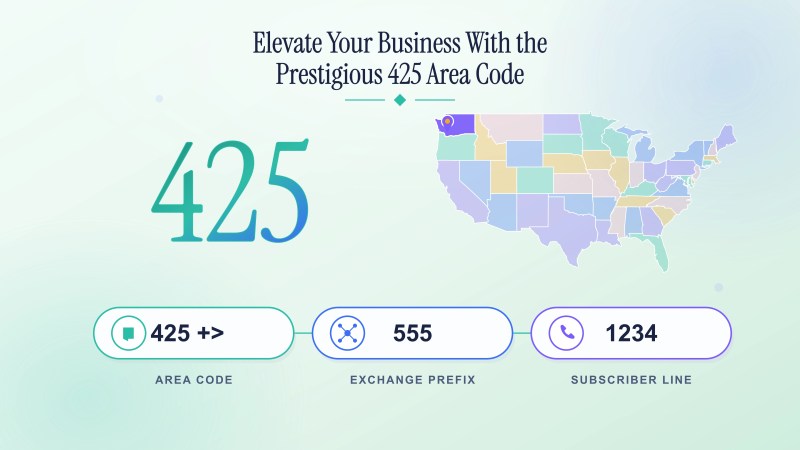
The 425 area code is more than a telephone prefix; it’s a geographic and economic boundary that defines a critical segment of the Pacific Northwest. When you see a number starting with 425, you’re looking at a region that’s home to some of the most influential companies in the world—Microsoft, Amazon’s early headquarters, Nintendo of America, and countless startups. But its significance extends beyond tech. The area code encompasses diverse cities, each with its own character: Everett, a port city with a rich maritime history; Bellevue, the "City of Suburbs" that became a magnet for tech workers; and Kirkland, where the coffee culture and tech scene intertwine. The 425 area code is a microcosm of the region’s evolution, reflecting its transition from an industrial past to a digital future.What makes the 425 area code unique is its role in shaping the modern tech landscape. Unlike area codes tied to single cities (like 212 for New York), 425 spans multiple municipalities, each contributing to the region’s identity. The code’s adoption coincided with the dot-com boom, and its association with Microsoft and other tech giants cemented its reputation as a hub for innovation. Today, the 425 area code is synonymous with opportunity—whether you’re a developer in Redmond, a researcher in Bothell, or a student at the University of Washington’s satellite campuses. It’s a code that carries weight, signaling both prestige and the promise of what’s next.
Historical Background and Evolution
The origins of the 425 area code lie in the late 1990s, when the 206 area code—originally assigned to Seattle in 1947—was exhausted. The North American Numbering Plan Administration (NANPA) introduced the 425 prefix as part of a larger overhaul to accommodate the region’s growth. This wasn’t just about adding numbers; it was about redefining the boundaries of communication. The 425 area code was allocated to the northern and eastern suburbs of Seattle, including parts of King, Snohomish, and Pierce counties. The decision was strategic, aiming to balance the needs of urban expansion with the existing infrastructure of rural and semi-urban areas.Table of Contents
- The Complete Overview of the 425 Area Code
- Historical Background and Evolution
- Core Mechanisms: How It Works
- Key Benefits and Crucial Impact
- Major Advantages
- Comparative Analysis
- Future Trends and Innovations
- Conclusion
- Comprehensive FAQs
- Q: What cities are included in the 425 area code?
- Q: Why was the 425 area code created?
- Q: Can I keep my 206 number if I move to a 425 area?
- Q: Is the 425 area code only for tech companies?
- Q: Will the 425 area code be split or expanded in the future?
- Q: How does the 425 area code affect real estate?
- Q: Can I get a 425 area code number even if I’m not in Washington?
- Q: What’s the difference between 425 and 206?
The introduction of the 425 area code coincided with a period of rapid change in the Pacific Northwest. Microsoft, founded in 1975, was expanding its campus in Redmond, and the region was becoming a hotbed for tech talent. The new area code didn’t just serve as a technical solution; it became a symbol of the region’s transformation. Cities like Bellevue, once known for their suburban charm, were now attracting tech workers from around the world. The 425 area code became a shorthand for this new era, a marker of the region’s shift from manufacturing to innovation. Even today, when someone asks, "What does the 425 area code represent?" the answer is clear: it’s the pulse of a region that’s leading the charge in technology and economic development.
Core Mechanisms: How It Works
At its core, the 425 area code functions like any other North American telephone prefix, but its implementation reflects the unique challenges of the Pacific Northwest. The numbering plan divides the region into overlapping service areas, ensuring that even as the population grows, there’s enough capacity to assign new numbers. The 425 prefix covers a vast area, including cities like Everett, Marysville, and Woodinville, each with its own demographic and economic profile. This geographic spread means that the 425 area code isn’t tied to a single city but rather to a network of interconnected communities.The mechanics of the 425 area code also involve overlay planning, a strategy used when an area code is exhausted but still needs to serve the region. Unlike traditional splits, where a new area code replaces the old one, overlays allow both codes to coexist. In 2000, the 206 area code was overlaid with the 425 prefix, meaning that new numbers in the Seattle area could start with either 206 or 425. This approach minimized disruption for existing users while accommodating the influx of new residents and businesses. Today, the 425 area code continues to evolve, with ongoing discussions about future splits or overlays to meet the demands of a region that shows no signs of slowing down.
Key Benefits and Crucial Impact
The 425 area code’s influence extends far beyond the realm of telecommunications. It’s a catalyst for economic growth, a draw for talent, and a reflection of the region’s resilience. The prefix is deeply tied to the success of Seattle’s tech sector, with companies like Microsoft, Amazon, and Nintendo of America calling the 425 area home. This concentration of innovation has turned the region into a magnet for skilled workers, entrepreneurs, and investors. The 425 area code isn’t just a number; it’s a brand, a signal of opportunity that resonates with people around the world.The impact of the 425 area code is also felt in the communities it serves. Cities like Bellevue and Kirkland have seen their economies diversify, with tech companies bringing in high-paying jobs and fostering a culture of creativity. The area code’s association with innovation has even influenced real estate, with demand for housing in the 425 region outpacing supply. For many, the 425 area code represents more than just a phone number—it’s a ticket to a lifestyle defined by ambition, collaboration, and progress.
"The 425 area code is more than a prefix; it’s a testament to the region’s ability to adapt, innovate, and thrive in the face of change. It’s the sound of progress, the echo of a community that’s shaping the future." — Tech industry analyst, Pacific Northwest Business Journal
Major Advantages
- Tech Hub Status: The 425 area code is synonymous with Seattle’s tech boom, home to Microsoft, Amazon, and countless startups. This concentration of innovation drives economic growth and attracts global talent.
- Geographic Diversity: Unlike area codes tied to single cities, 425 spans multiple municipalities, from the port city of Everett to the tech corridors of Bellevue. This diversity fosters a range of industries and cultural influences.
- Economic Resilience: The region’s shift from manufacturing to tech has created a robust job market, with the 425 area code serving as a symbol of opportunity for workers and businesses alike.
- Overlay Flexibility: The implementation of the 425 overlay in 2000 ensured minimal disruption while accommodating growth, a model that other regions are now adopting to manage numbering challenges.
- Cultural Identity: The 425 area code has become a point of pride for residents, representing the region’s unique blend of innovation, history, and community spirit.

Comparative Analysis
| 425 Area Code | 206 Area Code (Seattle) |
|---|---|
| Covers northern/eastern suburbs (Bellevue, Redmond, Everett, etc.). | Primarily serves Seattle proper and some surrounding areas. |
| Associated with tech giants like Microsoft and Amazon. | Linked to Seattle’s urban core, including the University of Washington and downtown businesses. |
| Introduced in 1999 as an overlay to accommodate growth. | Original area code for Seattle since 1947, later overlaid with 425. |
| Represents suburban and semi-urban economic diversity. | Symbolizes Seattle’s urban identity, including tourism and education. |
Future Trends and Innovations
The 425 area code is poised to remain a cornerstone of the Pacific Northwest’s economic and technological landscape. As the region continues to attract tech companies and skilled workers, the demand for phone numbers will persist, likely leading to further overlays or splits. The 425 prefix may also expand to include new areas as the population grows, particularly in the eastern suburbs where development is accelerating. Additionally, the rise of VoIP (Voice over Internet Protocol) and digital communication may challenge traditional area code structures, but the 425’s cultural significance ensures it will endure as a symbol of the region’s innovation.Beyond telecommunications, the 425 area code will continue to shape the region’s identity. As cities like Everett and Kirkland evolve, the prefix will remain a unifying factor, connecting communities that share a common future. The next decade may bring new challenges—housing shortages, infrastructure demands—but the 425 area code will be at the heart of the solutions. It’s not just about numbers; it’s about the people, the ideas, and the progress that define the Pacific Northwest.
Conclusion
The 425 area code is far more than a sequence of digits—it’s a geographic and cultural landmark, a testament to the region’s ability to adapt and innovate. From its origins as a technical solution to its current status as a symbol of tech excellence, the 425 prefix tells the story of a place that’s constantly reinventing itself. When someone asks, "425 is what area code?" the answer isn’t just about phone numbers; it’s about the cities, the companies, and the people who have made this region a global leader in technology and progress.As the Pacific Northwest continues to grow, the 425 area code will remain a vital part of its identity. It’s a reminder of how far the region has come and a promise of what’s yet to come. Whether you’re a resident, a business owner, or simply curious about the forces shaping the modern world, understanding the 425 area code is understanding the heart of innovation itself.
Comprehensive FAQs
Q: What cities are included in the 425 area code?
The 425 area code covers a wide range of cities in Washington state, including Bellevue, Redmond, Kirkland, Everett, Marysville, Woodinville, Bothell, and parts of Snohomish and Pierce counties. It spans both urban tech hubs and more traditional communities.
Q: Why was the 425 area code created?
The 425 area code was introduced in 1999 to address the exhaustion of the original 206 area code in Seattle. The region’s rapid growth—driven by tech companies like Microsoft and Boeing—required additional numbering capacity, leading to the creation of the 425 prefix as an overlay.
Q: Can I keep my 206 number if I move to a 425 area?
Yes, under the overlay plan, existing 206 numbers remain valid even if you move to an area primarily served by the 425 prefix. New numbers in the region may start with either 206 or 425, depending on availability.
Q: Is the 425 area code only for tech companies?
While the 425 area code is strongly associated with tech companies like Microsoft and Amazon, it serves a diverse range of industries and communities. The prefix covers everything from manufacturing in Everett to education in Bothell, reflecting the region’s economic diversity.
Q: Will the 425 area code be split or expanded in the future?
Given the region’s continued growth, it’s likely that the 425 area code will undergo further overlays or splits to accommodate new numbers. The North American Numbering Plan Administration (NANPA) monitors demand and may introduce additional prefixes as needed.
Q: How does the 425 area code affect real estate?
The 425 area code’s association with tech and economic opportunity has driven demand for housing in the region, particularly in cities like Bellevue and Kirkland. The influx of tech workers has led to rising home prices and increased competition for residential properties.
Q: Can I get a 425 area code number even if I’m not in Washington?
No, area codes are geographically assigned, and the 425 prefix is exclusively for the northern and eastern suburbs of Seattle. If you’re outside this region, you’ll need a different area code for your phone number.
Q: What’s the difference between 425 and 206?
The 206 area code serves Seattle and its immediate surroundings, while the 425 prefix covers the northern and eastern suburbs. Both codes can be used for new numbers in overlapping areas, but 425 is more closely tied to the tech-driven growth of cities like Redmond and Bellevue.
Leave a Comment
Comments are moderated before appearing. The data you submit is processed according to the Privacy Policy of Bevvy.