How Amazon Prime Whole Foods Is Redefining Grocery Shopping
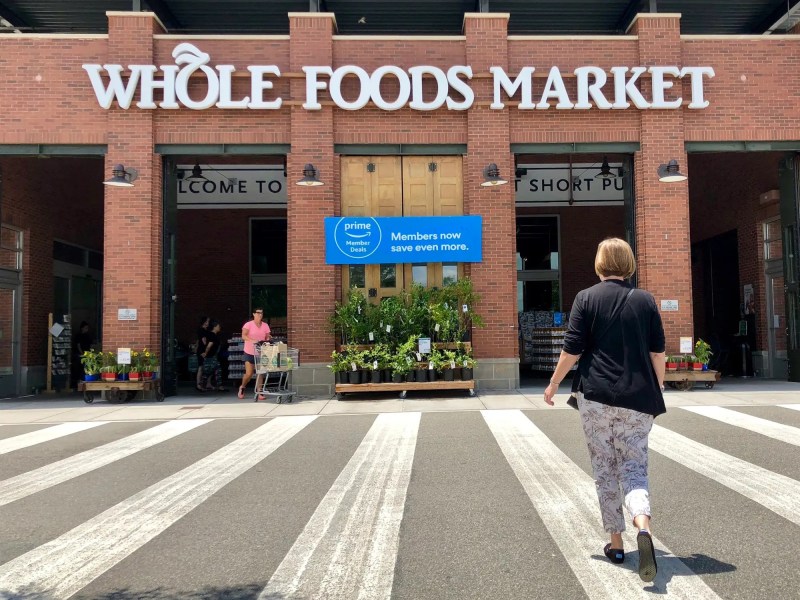
Amazon’s acquisition of Whole Foods in 2017 didn’t just merge two retail giants—it redefined how consumers access fresh, organic, and specialty groceries. The integration of Amazon Prime Whole Foods transformed a brick-and-mortar staple into a tech-driven grocery ecosystem, where Prime members enjoy exclusive perks, same-day delivery, and a curated selection of 365 by Whole Foods Market products. This isn’t just another grocery service; it’s a convergence of convenience, quality, and Amazon’s unparalleled logistics infrastructure.
What sets Amazon Prime Whole Foods apart is its ability to blend the trustworthiness of Whole Foods’ reputation with Amazon’s obsession for speed and personalization. From the moment a Prime member scans their cart at checkout to the instant their order arrives via Prime Now, every step is optimized for efficiency—yet the focus remains on the same high standards that made Whole Foods a household name. The result? A grocery experience that feels both futuristic and familiar, catering to health-conscious shoppers, busy professionals, and families alike.
The synergy between Amazon’s data-driven algorithms and Whole Foods’ commitment to transparency has created a grocery model that adapts in real time. Whether it’s predicting demand for seasonal produce or dynamically adjusting store inventory, Amazon Prime Whole Foods operates on a scale few retailers can match. But how did this partnership evolve, and what makes it tick? The answers lie in its strategic origins and the mechanics that power its daily operations.

The Complete Overview of Amazon Prime Whole Foods
At its core, Amazon Prime Whole Foods represents a fusion of two retail powerhouses: Amazon’s dominance in e-commerce and Whole Foods’ leadership in natural and organic foods. The partnership wasn’t just about expanding Amazon’s footprint into grocery—it was about leveraging Whole Foods’ trusted brand to attract a new segment of customers who prioritize quality, sustainability, and ethical sourcing. For Prime members, the integration meant instant access to Whole Foods’ 365 private-label products, from organic dairy to plant-based alternatives, all delivered with Amazon’s signature reliability.The service operates on a hybrid model: customers can shop in-store (with curbside pickup or delivery) or order entirely online, with Prime members enjoying perks like free delivery on orders over $35 and early access to sales. This dual approach ensures that Amazon Prime Whole Foods caters to both the tech-savvy shopper and the traditional Whole Foods customer who values in-person selection. The seamless transition between digital and physical retail is a testament to Amazon’s ability to reimagine grocery shopping as an omnichannel experience.
Historical Background and Evolution
The seeds of Amazon Prime Whole Foods were sown in 2014, when Amazon launched Amazon Fresh—a grocery delivery service in select U.S. cities. While ambitious, Amazon Fresh struggled to compete with established players like Instacart and Peapod, largely due to its limited product selection and high minimum order requirements. The turning point came in 2017, when Amazon announced its $13.7 billion acquisition of Whole Foods, a move that instantly elevated its grocery ambitions. The acquisition wasn’t just about gaining market share; it was about merging Whole Foods’ expertise in organic and specialty foods with Amazon’s unmatched logistics and customer data capabilities.Post-acquisition, Amazon rebranded its grocery division as Amazon Prime Whole Foods, rolling out same-day delivery, curbside pickup, and a revamped app that integrated Whole Foods’ loyalty program with Prime benefits. The strategy paid off: within months, Prime members began flocking to the service, drawn by the combination of Whole Foods’ premium products and Amazon’s convenience. Today, the service spans over 470 locations across the U.S., Canada, and the UK, with plans to expand further as Amazon continues to refine its grocery strategy.
Core Mechanisms: How It Works
The backbone of Amazon Prime Whole Foods is its seamless integration with the Amazon ecosystem. Prime members can browse Whole Foods’ full inventory—including exclusive 365 brands—directly through the Amazon app or website, with real-time stock updates and personalized recommendations based on past purchases. For in-store shoppers, the process is equally streamlined: scan items with the Amazon app, pay at checkout, and opt for curbside pickup or delivery. The service also leverages Amazon’s vast fulfillment network, ensuring that online orders are packed and dispatched from nearby Whole Foods locations, reducing delivery times to as little as one hour via Prime Now.Table of Contents
- The Complete Overview of Amazon Prime Whole Foods
- Historical Background and Evolution
- Core Mechanisms: How It Works
- Key Benefits and Crucial Impact
- Major Advantages
- Comparative Analysis
- Future Trends and Innovations
- Conclusion
- Comprehensive FAQs
- Q: Is Amazon Prime Whole Foods only available to Prime members?
- Q: Can I order from Amazon Prime Whole Foods and pick up in-store?
- Q: Are all Whole Foods products available through Amazon Prime Whole Foods?
- Q: How does Amazon Prime Whole Foods handle fresh produce delivery?
- Q: What happens if my Amazon Prime Whole Foods order is late or incomplete?
- Q: Does Amazon Prime Whole Foods offer international delivery?
- Q: Can I use Amazon Prime Whole Foods for business or office catering?
- Q: How does Amazon Prime Whole Foods ensure food safety during delivery?
- Q: Are there any hidden fees with Amazon Prime Whole Foods?
- Q: How often does Amazon Prime Whole Foods update its product selection?
- Q: Can I return items purchased through Amazon Prime Whole Foods?
What truly sets it apart is the use of data to enhance the shopping experience. Amazon’s algorithms analyze purchase patterns to suggest complementary items (e.g., pairing organic avocados with 365 tortillas) and dynamically adjust pricing for flash sales. Additionally, the service incorporates sustainability metrics, such as tracking the carbon footprint of deliveries and offering eco-friendly packaging options. This blend of technology and tradition ensures that Amazon Prime Whole Foods isn’t just efficient—it’s also responsive to modern consumer values.
Key Benefits and Crucial Impact
The impact of Amazon Prime Whole Foods extends beyond mere convenience; it’s reshaping how consumers perceive grocery shopping. For Prime members, the service eliminates the hassle of weekly trips to the store, replacing them with a few taps on a smartphone. The integration of Whole Foods’ high-quality standards with Amazon’s speed means that shoppers no longer have to compromise between health-conscious choices and efficiency. This dual advantage has made Amazon Prime Whole Foods a cornerstone of Amazon’s broader push into essential services, proving that groceries are the next frontier in subscription-based retail.Beyond individual benefits, the service has also influenced broader market trends. Competitors like Walmart and Target have accelerated their own grocery delivery initiatives in response, while smaller organic retailers have had to innovate to stay relevant. The ripple effect is clear: Amazon Prime Whole Foods has set a new benchmark for what grocery shopping can—and should—be.
"The merger of Amazon and Whole Foods wasn’t just about combining two brands; it was about redefining the entire grocery experience. Today, consumers expect speed without sacrificing quality—and Prime Whole Foods delivers on both fronts." — John Mackey, Former Whole Foods Co-CEO (as cited in industry reports)
Major Advantages
- Exclusive Access to 365 Brands: Prime members gain early access to Whole Foods’ private-label products, including organic, non-GMO, and plant-based items, often at competitive prices.
- Same-Day Delivery: Orders placed by 9 PM are eligible for next-day delivery, while Prime Now offers one-hour slots in select cities, making it ideal for last-minute needs.
- Curbside Pickup: Shop online and pick up groceries in under 15 minutes, reducing wait times and eliminating the need for in-store shopping.
- Personalized Recommendations: Amazon’s algorithms suggest products based on browsing and purchase history, enhancing the discovery of niche or seasonal items.
- Sustainability Initiatives: Options for eco-friendly packaging, locally sourced produce, and carbon-neutral delivery choices align with growing consumer demand for ethical shopping.
Comparative Analysis
While Amazon Prime Whole Foods dominates the premium grocery space, it faces competition from traditional grocers and dedicated delivery services. Below is a side-by-side comparison of key features:| Feature | Amazon Prime Whole Foods | Instacart (Traditional Grocers) | Walmart+ Grocery |
|---|---|---|---|
| Membership Requirement | Prime membership ($139/year) | No membership (pay-per-delivery) | Walmart+ membership ($12.95/month) |
| Product Selection | Whole Foods’ full inventory + 365 private label | Depends on partner stores (varies by location) | Walmart’s full grocery selection (including organic) |
| Delivery Speed | Same-day or next-day (Prime Now for 1-hour slots) | Same-day (2–4 hours, depending on store) | Same-day (via Walmart+) |
| Unique Perks | Early access to sales, Prime-exclusive deals | Loyalty rewards from partner stores | Free shipping on all orders, Scan & Go |
Future Trends and Innovations
The trajectory of Amazon Prime Whole Foods points toward even deeper integration with emerging technologies. One area of focus is AI-driven personalization, where Amazon could use machine learning to predict dietary preferences and suggest meal plans based on health goals. Additionally, the service may expand its "Just Walk Out" technology—already tested in Amazon Go stores—to Whole Foods locations, allowing shoppers to bypass checkout entirely. Sustainability will also play a larger role, with potential initiatives like dynamic pricing for off-peak delivery hours to reduce congestion and carbon emissions.Looking ahead, Amazon Prime Whole Foods could also explore partnerships with local farms to offer hyper-fresh, regionally sourced produce, further blurring the lines between online and farm-to-table shopping. As Amazon continues to invest in its grocery division, the service is poised to become not just a convenience but a lifestyle—a seamless extension of how modern consumers feed themselves and their families.

Conclusion
Amazon Prime Whole Foods is more than a grocery delivery service; it’s a testament to how technology and tradition can coexist in retail. By combining Whole Foods’ commitment to quality with Amazon’s relentless focus on speed and innovation, the service has redefined what consumers expect from their grocery experience. For Prime members, the benefits are immediate: time saved, healthier choices, and unmatched convenience. For the industry, the impact is broader, pushing competitors to elevate their own offerings and forcing a rethink of how groceries are sourced, delivered, and consumed.As the service evolves, its ability to adapt—whether through AI, sustainability, or new shopping formats—will determine its long-term success. One thing is certain: Amazon Prime Whole Foods isn’t just following the trends of grocery shopping; it’s setting them.
Comprehensive FAQs
Q: Is Amazon Prime Whole Foods only available to Prime members?
A: Yes. While non-Prime members can shop at Whole Foods stores, the full benefits of Amazon Prime Whole Foods—such as free delivery, early access to sales, and Prime Now—require an active Prime membership.
Q: Can I order from Amazon Prime Whole Foods and pick up in-store?
A: Absolutely. The service offers curbside pickup at participating Whole Foods locations. Simply place your order online, select "Pick Up Today," and your groceries will be ready within 15 minutes of your arrival.
Q: Are all Whole Foods products available through Amazon Prime Whole Foods?
A: Most are, but some bulk or specialty items may not be available for delivery. The Amazon app clearly indicates which products can be shipped to your home or picked up curbside.
Q: How does Amazon Prime Whole Foods handle fresh produce delivery?
A: Fresh produce is sourced from Whole Foods’ supply chain and prioritized for same-day delivery. Amazon uses temperature-controlled packaging and rapid dispatch to ensure quality, especially for perishables like fruits, vegetables, and dairy.
Q: What happens if my Amazon Prime Whole Foods order is late or incomplete?
A: Amazon offers a "Delivery Guarantee" for Prime orders. If your delivery is late or items are missing, you can request a refund or replacement through Amazon’s customer service. For urgent issues, contact Prime Now support for immediate assistance.
Q: Does Amazon Prime Whole Foods offer international delivery?
A: Currently, Amazon Prime Whole Foods is available in the U.S., Canada, and the UK. International delivery options are limited to these regions, though Amazon may expand services based on demand.
Q: Can I use Amazon Prime Whole Foods for business or office catering?
A: Yes. Prime members can place large orders for bulk groceries, which are then delivered to a specified address. For corporate clients, Amazon offers dedicated account management to streamline bulk purchases and deliveries.
Q: How does Amazon Prime Whole Foods ensure food safety during delivery?
A: The service adheres to strict food safety protocols, including temperature-controlled packaging for perishables, sanitized delivery vehicles, and partnerships with certified suppliers. Additionally, Amazon’s logistics team undergoes regular training on handling fresh goods.
Q: Are there any hidden fees with Amazon Prime Whole Foods?
A: No. Prime members enjoy free delivery on orders over $35, and there are no additional fees for standard shipping. However, expedited delivery (e.g., Prime Now) may incur a small fee depending on the location.
Q: How often does Amazon Prime Whole Foods update its product selection?
A: The inventory is updated in real time, with seasonal and promotional items added weekly. The Amazon app reflects stock availability across all Whole Foods locations, ensuring accuracy for shoppers.
Q: Can I return items purchased through Amazon Prime Whole Foods?
A: Returns are handled through Amazon’s standard policy. Non-perishable items can be returned within 30 days, while perishables (like meat or produce) are non-returnable. Check the app for specific return windows at the time of purchase.
Leave a Comment
Comments are moderated before appearing. The data you submit is processed according to the Privacy Policy of Bevvy.